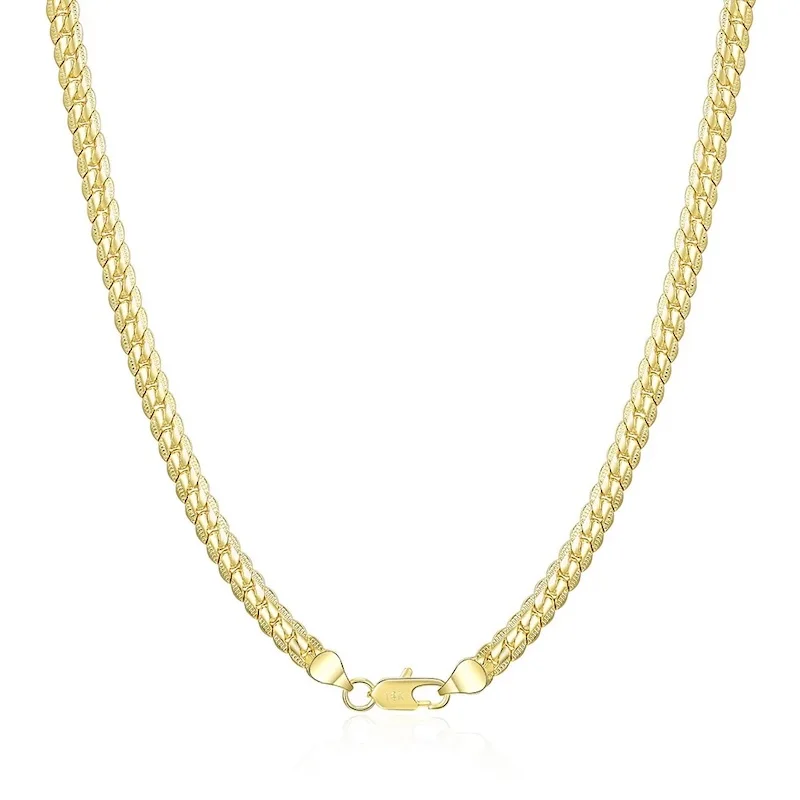
Gold has been a symbol of wealth, status, and beauty for thousands of years. From ancient civilizations to modern-day jewelry designers, gold remains one of the most cherished metals in human history. But not all gold is created equal. When it comes to jewelry, you’ll often see terms like “14K,” “18K,” and “24K” — each indicating a different purity level. In this article, we’ll dive deep into 18K gold, exploring what it is, how it’s made, why it’s so popular, its advantages and disadvantages, how to care for it, and where to buy authentic pieces.
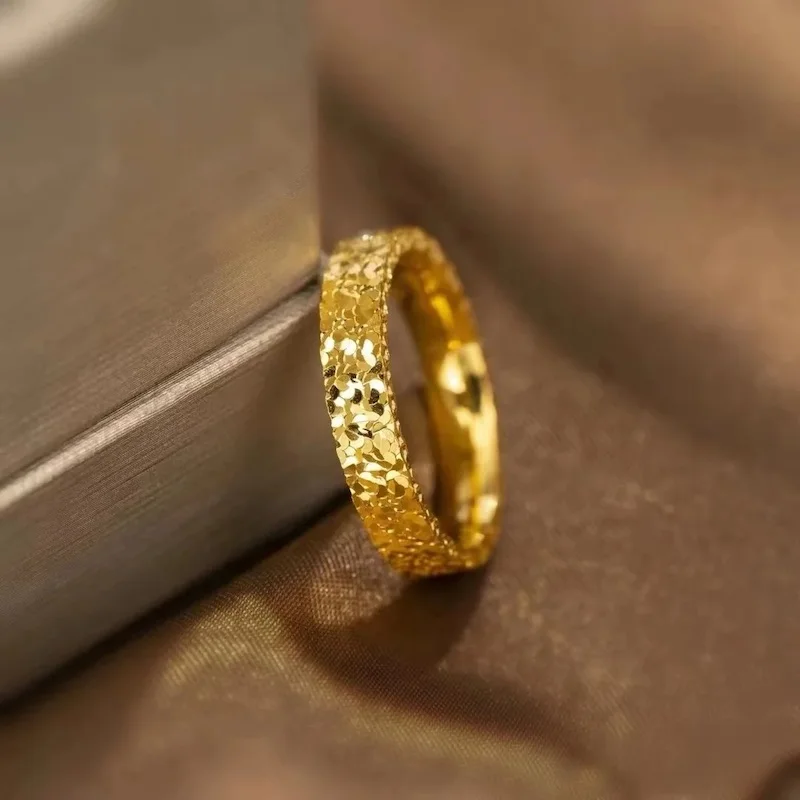
What Is 18K Gold?
At its core, 18K gold refers to gold that is 75% pure gold by weight. The “K” stands for “karat,” a unit used to measure the purity of gold. Pure gold (24K) is 99.9% gold, but it’s too soft for everyday use in jewelry. To make gold more durable and practical, it’s alloyed with other metals such as copper, silver, or zinc.
In 18K gold:
- 75% is pure gold (18 parts out of 24)
- 25% is alloy metals (6 parts out of 24)
This combination gives 18K gold its signature rich yellow color, strength, and versatility. It’s widely considered the ideal balance between purity and durability—making it a favorite among jewelers and consumers alike.
The alloy metals also influence the final hue. For example:
- Yellow 18K gold: Uses copper and silver to maintain the classic warm tone.
- White 18K gold: Alloys with palladium or nickel for a silvery-white finish.
- Rose 18K gold: Higher copper content gives it a pinkish hue.
Understanding these variations helps buyers choose the right type based on their style preferences and lifestyle needs.
Why Choose 18K Gold Over Other Karats?
When shopping for gold jewelry, consumers often face a choice between 10K, 14K, 18K, and 24K. Each karat offers unique benefits, but 18K stands out for several reasons:
1. Purity vs. Durability:
While 24K gold is nearly pure, it’s extremely soft—it scratches easily and bends under pressure. 18K strikes a perfect middle ground: it retains 75% of gold’s luxurious appearance while being tough enough for daily wear.
2. Richer Color:
Because of its high gold content, 18K gold has a deeper, more radiant color compared to lower karat golds like 14K or 10K. This makes it especially appealing for fine jewelry such as engagement rings, necklaces, and earrings.
3. Investment Value:
Higher purity means greater intrinsic value. If you’re considering gold as an investment or heirloom piece, 18K gold holds more value than lower karat options. It’s also easier to melt down or trade in later.
4. Popularity Among Designers:
Many luxury brands (like Cartier, Tiffany & Co., and Bulgari) use 18K gold for their flagship collections. Its premium feel justifies higher price points and appeals to discerning buyers who value craftsmanship and quality.
That said, 18K isn’t always the best choice for everyone. For instance, someone with active hands or a physically demanding job might prefer 14K gold for its added durability. Still, for most people seeking elegance, longevity, and value, 18K gold is the sweet spot.
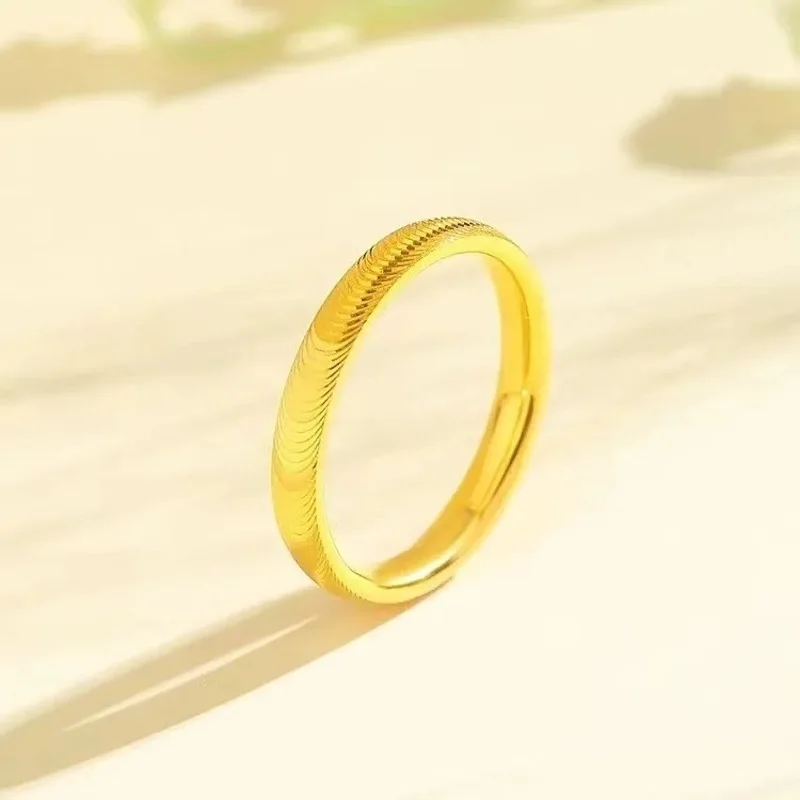
Common Uses of 18K Jewelry
18K gold isn’t just a fancy label—it’s a practical material used across various industries:
Jewelry:
From minimalist bands to elaborate statement pieces, 18K gold dominates the fine jewelry market. Engagement rings, wedding bands, pendants, and bracelets are commonly crafted from this metal because it combines beauty with resilience.
Watches:
Luxury watchmakers like Rolex, Omega, and Audemars Piguet frequently use 18K gold cases and bands. The gold adds prestige and ensures long-term wear without significant degradation.
Medical Devices:
Due to its biocompatibility and resistance to corrosion, 18K gold is sometimes used in dental crowns, implants, and surgical instruments. Its hypoallergenic nature makes it safe for sensitive skin.
Electronics:
Even in tech, 18K gold finds applications. Thin layers of gold plating are used in connectors and circuit boards for better conductivity and corrosion resistance—a testament to its chemical stability.
These diverse uses highlight why 18K gold is more than just a decorative metal—it’s a functional, enduring material trusted by professionals worldwide.
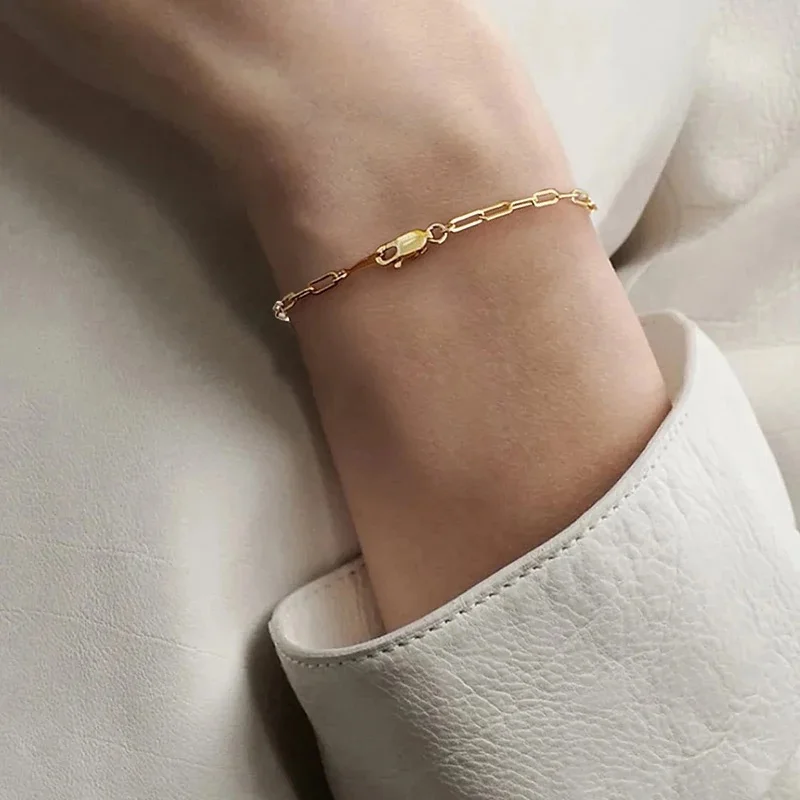
Pros and Cons of 18K Jewelry
Like any precious metal, 18K gold has both advantages and drawbacks:
Pros:
- High Purity: Offers a luxurious look and feel due to its 75% gold content.
- Durability: More resistant to wear than 24K gold, making it suitable for regular use.
- Investment Potential: Retains higher resale value than lower karat golds.
- Aesthetic Appeal: Rich color enhances the brilliance of gemstones and complements all skin tones.
- Versatility: Available in multiple colors (yellow, white, rose), allowing customization.
Cons:
- Cost: Generally more expensive than 14K or 10K gold due to higher gold content.
- Scratch Resistance: While tougher than 24K, it can still scratch over time—especially if worn during physical activities.
- Maintenance Needs: Requires periodic cleaning and polishing to maintain its shine.
- Allergic Reactions (Rare): Though rare, some people may react to alloy metals like nickel in white 18K gold. Hypoallergenic options (e.g., palladium-based white gold) are available.
Ultimately, whether the pros outweigh the cons depends on your priorities: if you value luxury and investment potential, 18K gold is worth the extra cost. If budget or durability is your main concern, consider 14K instead.
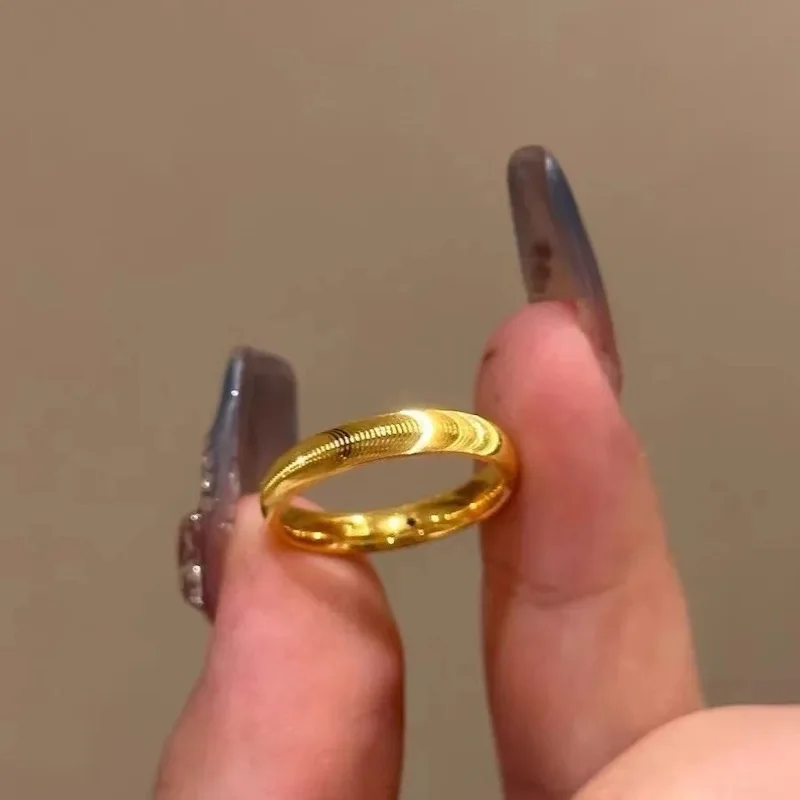
How to Care for Your 18K Jewelry?
To keep your 18K gold looking its best, proper maintenance is essential:
1. Regular Cleaning:
Use mild dish soap, warm water, and a soft-bristled toothbrush to gently scrub away dirt and oils. Rinse thoroughly and dry with a lint-free cloth. Avoid harsh chemicals like bleach or chlorine—they can damage the metal or tarnish the surface.
2. Storage Tips:
Store your 18K gold jewelry in a cool, dry place, preferably in individual soft pouches or lined boxes. This prevents scratching from contact with other pieces and reduces exposure to air and moisture.
3. Professional Maintenance:
Every 6–12 months, take your jewelry to a professional jeweler for inspection and polishing. They can assess wear patterns, tighten settings, and restore luster using specialized tools.
4. Avoid Physical Stress:
Remove your 18K gold pieces before swimming, exercising, or doing household chores. Even though it’s durable, extreme force or impact can cause dents or bends.
5. Check for Hallmarks:
Look for stamps like “18K,” “750,” or “18KT” on the item—these confirm authenticity. Be cautious of counterfeit products sold at suspiciously low prices.
By following these simple steps, your 18K gold jewelry can retain its beauty for decades, becoming a treasured family heirloom.
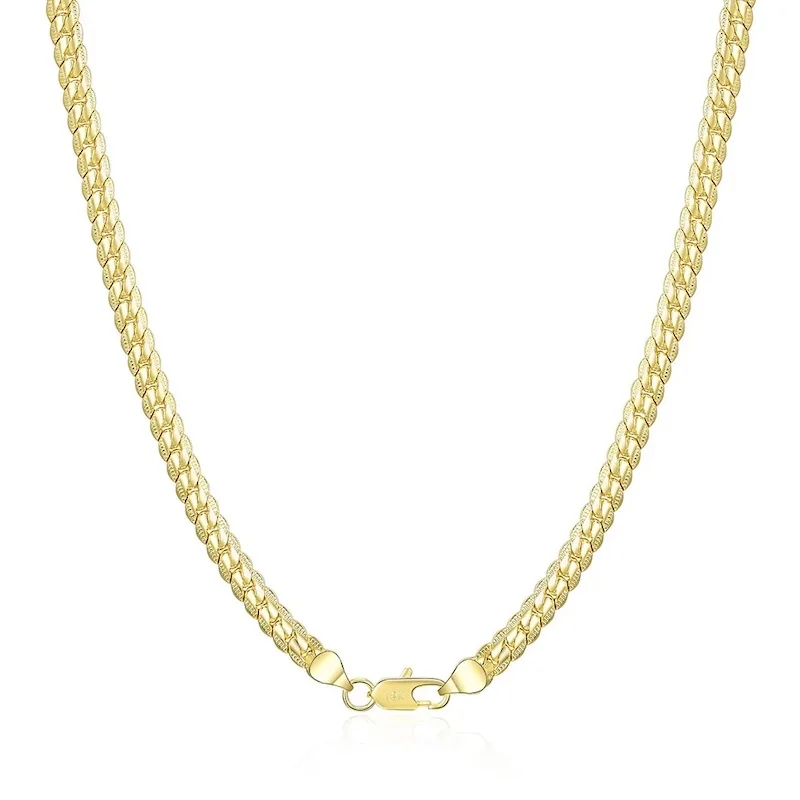
Where to Buy Authentic 18K Gold Jewelry?
With rising demand, counterfeit gold has become a growing concern. To ensure you’re getting genuine 18K gold, follow these tips:
1. Buy from Reputable Jewelers:
Choose established stores with certifications (like GIA or AGS) and positive customer reviews. Look for transparency in pricing, materials, and craftsmanship.
2. Ask for a Certificate of Authenticity:
Legitimate sellers provide documentation verifying the karat weight and purity of the gold. This is especially important for high-value items like diamond rings or watches.
3. Check for Hallmarks:
As mentioned earlier, authentic 18K gold will bear clear markings. In the U.S., this is typically “18K” or “750.” In Europe, it may be “750” or “18K Gold.”
5. Test Before Buying:
Some jewelers offer free testing services using acid tests or electronic testers. If unsure, consult an independent appraiser before purchasing.
Remember: if a deal seems too good to be true—especially on social media or auction sites—chances are it is. Invest in quality, not just price.
Final Thoughts
18K gold represents the pinnacle of what gold can be: beautiful, valuable, and practical. Whether you’re treating yourself to a timeless piece or gifting something meaningful, understanding what makes 18K gold special empowers you to make informed choices. It’s not just about the metal—it’s about craftsmanship, heritage, and the stories we carry forward through our possessions.
So next time you admire a gleaming ring or pendant, ask yourself: is it 18K? If yes, you’re holding something truly exceptional—a blend of artistry, science, and enduring elegance that continues to captivate hearts around the world.