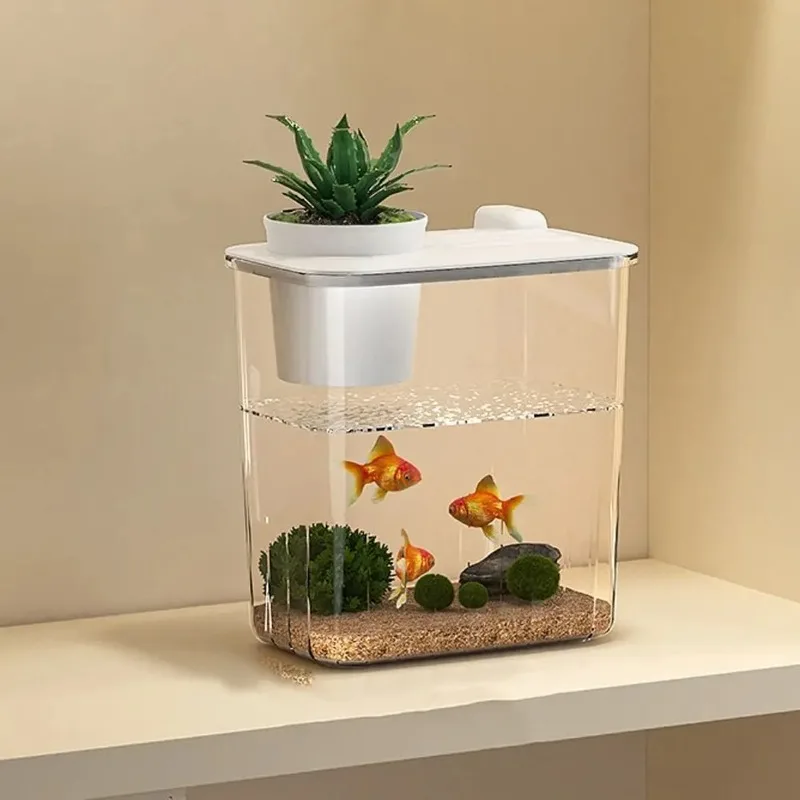
If you’re considering an aquarium for your home or office, you might be attracted to the sleek, lightweight appeal of a plastic aquarium tank. They’re easier to move, generally more affordable than glass tanks, and often come in unique shapes that fit into spaces where traditional tanks wouldn’t work. However, before you commit, there’s one important drawback to understand — plastic aquarium tanks scratch far more easily than their glass counterparts. Over time, these scratches can affect not just how your tank looks but also how much you enjoy maintaining it.
As a reader searching for reliable aquarium advice, you’re likely weighing pros and cons before purchase. While this doesn’t mean plastic tanks should be avoided entirely, it does mean you need to understand what causes scratches, how they compare to glass, and how to minimize damage if you choose plastic.
In this article, we’ll dive into the reasons plastic scratches so easily, the impact those marks have over time, maintenance challenges you’ll face, and tips for prolonging the clear, clean look of your tank. By the end, you’ll be able to make an informed choice that matches both your lifestyle and the needs of your fish.
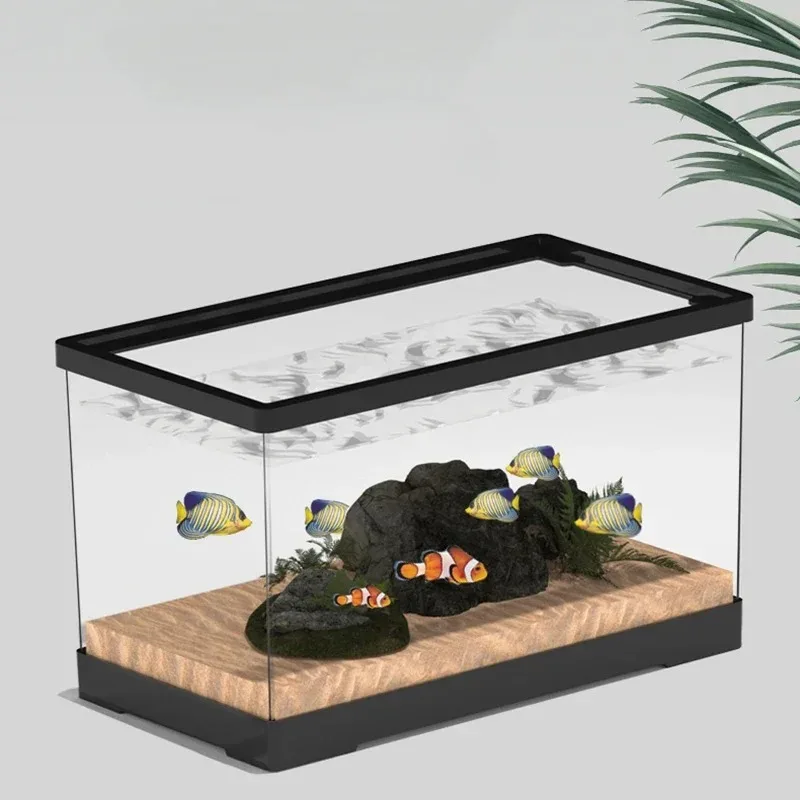
Why Plastic Scratches More Easily
A plastic aquarium tank scratches more easily because of the nature of its material. Most plastic tanks are made from acrylic, which is softer than glass. This means everyday contact with sharp or abrasive objects can leave noticeable marks on its surface.
Even routine cleaning can contribute to wear. If you use sponges or scrapers meant for glass, the harder bristles or edges can dig into the acrylic, leaving fine lines all over. These scratches, although small at first, accumulate quickly. They scatter light hitting the tank, making the water seem cloudy even when perfectly clean.
Glass tanks, on the other hand, are more resistant to these issues. The hardness of glass allows it to withstand more friction during cleaning and movement. Acrylic’s flexibility and impact resistance come at the cost of surface durability.
In US homes, where aquariums are often placed in high-traffic areas, accidental bumps and contact are common. Something as simple as brushing against the tank with a watch or ring, or a child tapping a toy against it, may leave a permanent mark. This is why owners must be especially mindful of the environment around their acrylic tank.
Everyday Situations That Cause Damage
You may think you’ll be careful enough to avoid scratching a plastic aquarium tank, but even everyday scenarios can cause damage. For example, when moving decorations inside the tank, gravel and sand particles can stick to your hands or equipment. If these particles are dragged along the interior walls, they grind fine scratches into the plastic.
Feeding routines can also be risky if you use hard feeding tools or accidentally drop objects into the tank. Similarly, water changes using siphons or hoses with abrasive edges can scuff the sides if they rub against them.
Exterior cleaning poses another hazard. Dusting the tank’s outside with a rough cloth or a paper towel can leave marks, especially if debris gets trapped between the surface and the cloth. Even wiping with microfiber cloths requires care if the cloth has picked up grit from elsewhere.
Compare this to glass tanks, which are generally forgiving of these actions unless you use metal blades or sanding materials directly on them. Acrylic’s softer nature makes harmless-seeming tasks potential sources of damage.
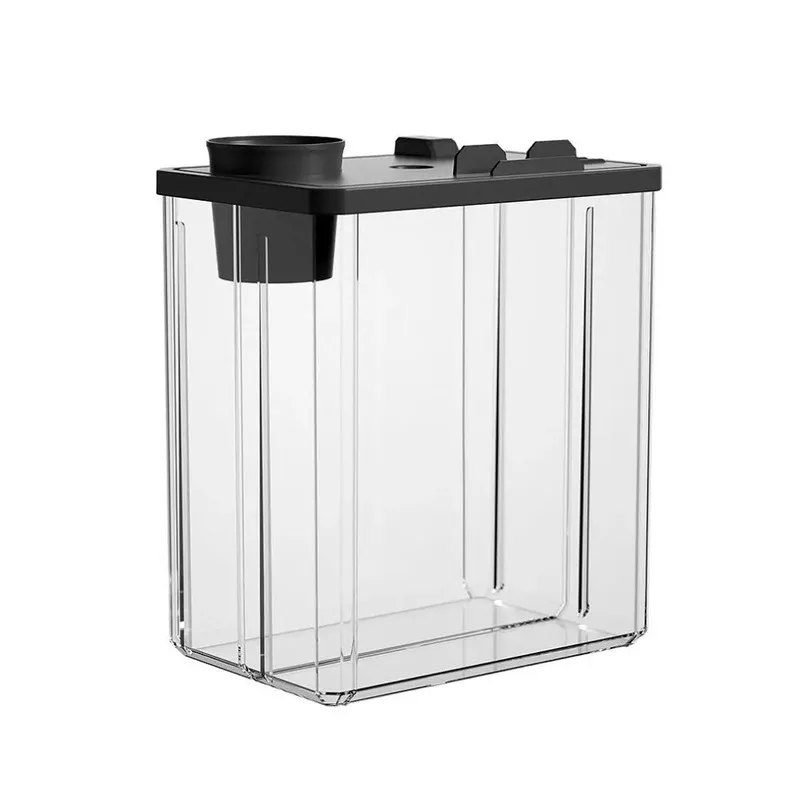
Visual and Functional Impact of Scratches
Scratches on a plastic aquarium tank have more than just aesthetic consequences. While they make the tank look worn, they also distort how you see the fish and plants inside. Light refracts differently on scratched surfaces, creating streaks or glare that make viewing less enjoyable.
Over time, a heavily scratched acrylic tank can appear hazy, which diminishes the vibrant colors of your underwater environment. This is a frustrating reality for owners who choose acrylic for its renowned clarity when new.
From a functional perspective, deep scratches can become breeding grounds for algae. The tiny grooves allow algae to cling more easily, making them harder to clean during maintenance routines. This can eventually impact water quality and the overall health of the tank’s environment.
In the US, where aquariums often serve as decorative centerpieces, losing that crisp clear view defeats much of the aesthetic purpose. This is why maintenance habits play a critical role in preserving the tank’s appearance.
Maintenance Challenges
Maintaining a plastic aquarium tank without causing scratches requires patience and careful technique. Cleaning tools must be non-abrasive and designed for acrylic. You’ll need to rinse sponges or cloths thoroughly before they touch the surface, ensuring no grit remains.
When removing algae, magnetic scrubbers with soft pads are effective, but you must ensure nothing is trapped between the magnet and acrylic — even a single grain of sand can damage the tank instantly.
Water changes also require caution. Always keep siphons and hoses suspended away from the sides instead of letting them rest against them. If the equipment comes into contact with the surface repeatedly, small scratches will form over time.
These extra steps can make acrylic tanks feel higher-maintenance than glass, which tolerates more aggressive cleaning. For busy US aquarium owners, the extra care may feel burdensome, especially if the aquarium is large or heavily stocked.
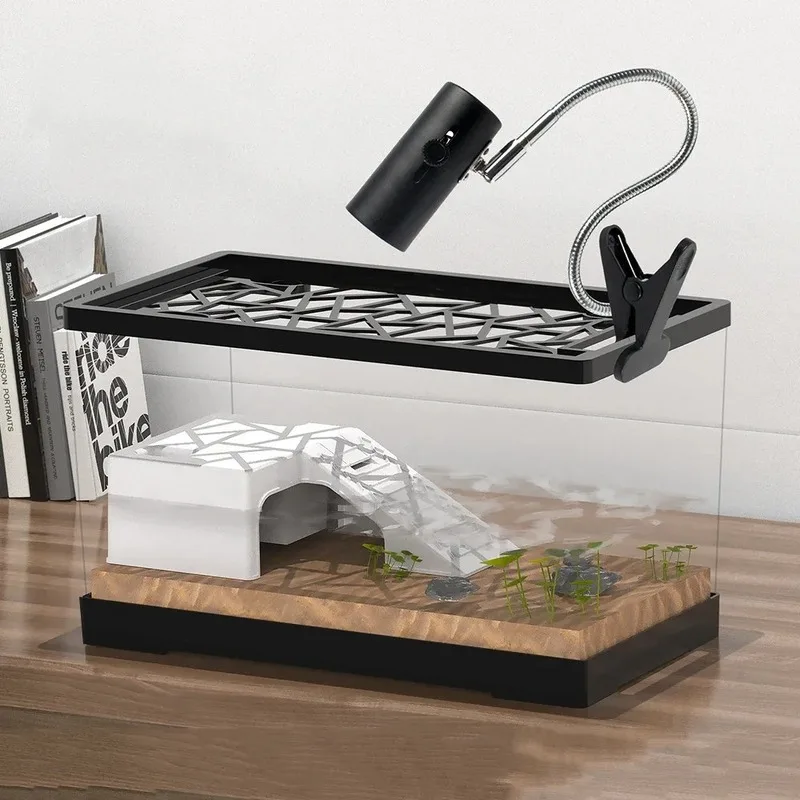
Preventing Scratches Before They Happen
The best way to keep a plastic aquarium tank looking great is to prevent scratches altogether. Start by choosing cleaning tools made specifically for acrylic. These include soft algae pads, acrylic-safe magnetic scrubbers, and microfiber cloths.
Be mindful with substrate choice. Fine sand can be safer than coarse gravel, which easily scratches acrylic if stirred during cleaning or fish movement. When rearranging decorations, remove them from the tank rather than sliding them along the walls.
Place your aquarium in a low-traffic location if possible. Reducing accidental bumps or contact from children, pets, or passing objects lowers scratch risk. Cover cleaning equipment ends with protective material to help avoid accidental marks during maintenance.
These simple precautions keep your tank clear for longer and help you avoid time-consuming restoration processes later.
Repairing Scratches on Acrylic
If your plastic aquarium tank is already scratched, you may be able to restore its clarity through polishing. Acrylic-friendly polishing kits are available in the US, designed to remove fine to moderate scratches without harming the integrity of the tank.
The process involves draining the tank (for interior work), applying a polishing compound, and buffing the surface until smooth. While effective, this can be time-consuming and requires careful attention to avoid uneven polishing that distorts the view further.
Deep scratches may require professional restoration, which can be costly. Gluing or patching acrylic is generally avoided because it can create visible seams or distort clarity. Regular preventive maintenance is much easier and cheaper than repair.
Knowing how to restore acrylic can be helpful, but the goal should always be to minimize situations that require such work.
Conclusion
There’s no denying that a plastic aquarium tank offers advantages like light weight, impact resistance, and design versatility. However, scratching is its Achilles’ heel. Unlike glass tanks, acrylic surfaces mark easily from everyday activities, and once scratched, they can lose both beauty and function.
For US aquarium owners, understanding this drawback before purchase will help set realistic expectations and proper maintenance habits. By choosing the right tools, handling the tank gently, and preventing rough contact, you can enjoy the benefits of acrylic without sacrificing clarity.
Ultimately, owning a plastic aquarium tank means committing to attentive care — because keeping it scratch-free is the only way to preserve its standout appeal.