
Understanding the Need for Teething Relief in Early Civilizations
Teething is a universal experience across human history, affecting infants regardless of time period or geography. Long before modern medicine and commercial baby products existed, parents in ancient civilizations sought ways to soothe their teething children using available materials and cultural practices.
From archaeological findings and historical texts, it's evident that even thousands of years ago, caregivers recognized the discomfort associated with teething—excessive drooling, irritability, swollen gums—and responded by providing objects for babies to chew on. These "ancient teething toys" were often made from natural materials such as wood, bone, ivory, fabric, or animal teeth. And sometimes they are infused with herbs or oils believed to have calming properties.
The practice of offering infants something to bite down on wasn't just about physical comfort. In many cultures, it also held symbolic meaning, tied to rites of passage, spiritual protection.
The Role of Oral Stimulation in Early Childhood Development
While ancient civilizations may not have had scientific terminology to describe developmental milestones, they intuitively understood the importance of oral stimulation in a child’s growth. Chewing was not only a way to relieve pain but also an essential activity for strengthening jaw muscles. Encouraging tooth eruption, and developing hand-mouth coordination.
In many cases, the objects given to infants to chew on were designed not only for function but also for sensory engagement. Offering different textures, weights, and shapes that stimulated touch, sight, and even taste. Some cultures incorporated rattling elements into these items, linking teething tools with early sound exploration and auditory development.
By examining ancient teething toys, we gain insight into how early humans approached infant care and how those traditions evolved over centuries into today’s commercially produced teething toys.

Egyptian and Mesopotamian Teething Artifacts
Ancient Egypt and Mesopotamia provide some of the earliest known examples of teething tools used by infants. Archaeologists have uncovered small, intricately carved wooden or ivory figurines and beads that appear to have been designed for chewing. These artifacts, often found in infant burial sites, suggest that teething relief was considered important enough to be included in funerary offerings.
Egyptians, known for their advanced medical knowledge, also used linen soaked in honey or herbal infusions as soothing agents for sore gums. Honey, valued for its antibacterial properties, was thought to reduce inflammation and ease discomfort.
Similarly, Mesopotamian tablets from as early as 2000 BCE contain references to remedies involving soft cloths soaked in warm milk or plant extracts to calm teething infants. These early approaches highlight a blend of practicality and belief in the healing power of natural substances.

Teething Remedies and Objects in Classical Greece and Rome
In ancient Greece and Rome, teething was viewed as both a physiological process and a potentially dangerous phase in a child’s life. Greek physicians like Hippocrates and later Roman scholars such as Galen wrote extensively about infant care. And including advice on managing teething symptoms.
Roman infants were often given coral or amber necklaces to chew on—a practice that persisted into the Victorian era. These materials were believed to have protective qualities, warding off illness and evil spirits while simultaneously providing tactile stimulation.
Additionally, Roman households might use olive wood sticks or small balls filled with dried herbs as teething aids. The act of chewing was encouraged not only for pain relief. It is also a means of strengthening the jaw and promoting proper dental alignment.
These classical civilizations laid the groundwork for future generations’ understanding of oral health and infant development, blending empirical observation with cultural symbolism.
Religious and Superstitious Beliefs Influencing Teething Practices
During the Middle Ages, teething was often regarded with fear and superstition. Many European cultures believed that teething could cause serious illness or even death, particularly in infants under one year old. This misconception led to extreme and sometimes harmful interventions, including bloodletting, lancing the gums, and the use of amulets or charms to protect the child.
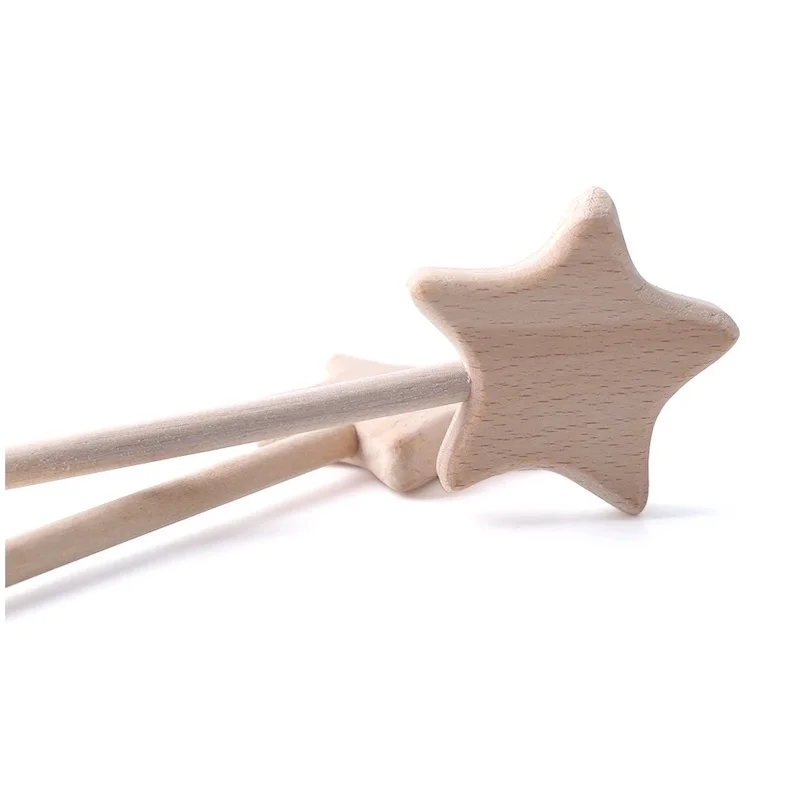
Despite these misguided practices, there were also more benign methods of teething relief. Infants were often given silver or wooden rattles, sometimes embedded with gemstones or engraved with religious symbols.
Amber teething necklaces remained popular during this time, worn around the baby’s neck not only for chewing but also as talismans believed to absorb pain and negative energy. While these beliefs lacked scientific basis, they illustrate how deeply intertwined infant care was with cultural and religious values.
Natural Materials Used in Ancient Teething Aids
The materials chosen for ancient teething tools were dictated by availability, durability, and perceived health benefits. Common materials included:
- Wood: Smoothly carved wooden beads, rings, or sticks were widely used due to their abundance and ease of shaping.
- Bone and Ivory: Animal bones and tusks were polished and shaped into chewable forms, often passed down through families.
- Fabric and Linen: Soft cloth soaked in milk or herbal mixtures provided gentle gum relief.
- Metal: Silver, copper, and other metals were sometimes used in the form of spoons or beads, valued for their coolness and antimicrobial properties.
- Natural Resins and Stones: Amber, coral, jade, and other natural resins or minerals were believed to have healing powers when chewed.
Each material carried its own set of cultural meanings and practical advantages. Reflecting the resourcefulness of ancient caregivers in addressing their infants' needs.
Symbolism and Decorative Elements in Teething Objects
Beyond their functional purpose, many ancient teething tools were adorned with symbols, carvings, or colors that held cultural significance. In some cases, these decorations were believed to offer protection, invoke good luck, or represent familial heritage.
For example, in ancient Rome, teething rings were sometimes engraved with protective symbols. Such as eyes or gods like Janus, the deity of beginnings. In Asia, jade was associated with purity and longevity, making it a favored material for teething aids among the elite.
In Europe, Christian iconography appeared on teething rattles and wooden toys, reinforcing religious values from an early age. Similarly, in Native American traditions, totems or animal motifs were often incorporated into teething tools. Symbolizing strength or connection to nature.
These decorative elements transformed teething aids from mere objects into meaningful artifacts, imbued with cultural identity and ancestral wisdom.
Conclusion
Ancient teething toys are far more than relics of the past. They are windows into the lives, beliefs, and ingenuity of early civilizations. From the carved wooden beads of ancient Egypt to the jade rollers of imperial China, these objects reveal how caregivers across time and space sought to comfort their children through thoughtful, resourceful, and often symbolic means.
Understanding the evolution of teething practices enriches our appreciation for modern infant care and reminds us that the bond between parent and child, expressed through love.