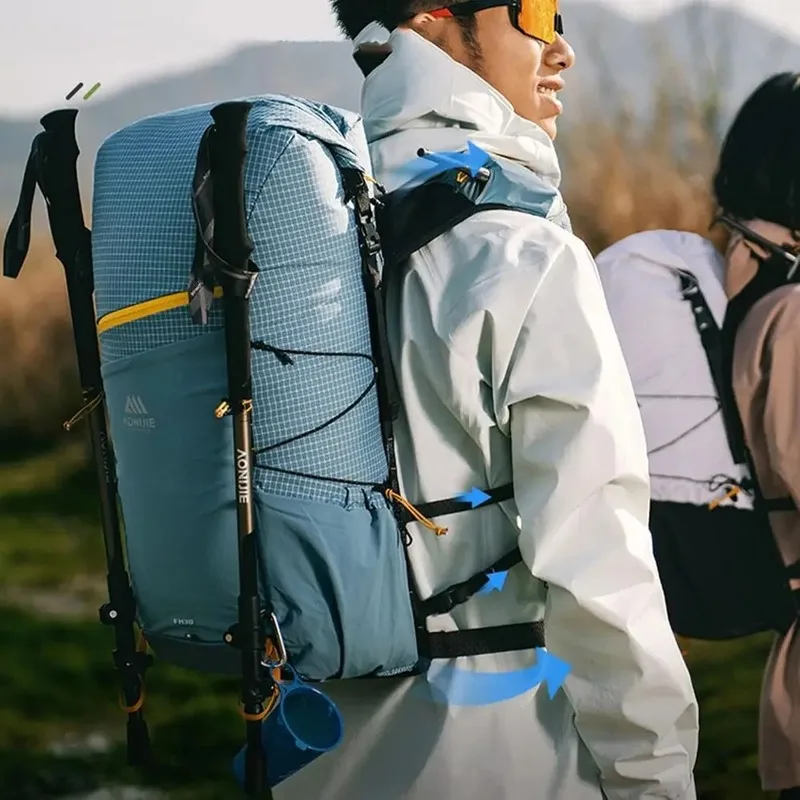
If you’ve ever shopped for a bag, you know size can be confusing. You might wonder: What is the average backpack size for daily use? Whether you’re heading to class, commuting to work, or navigating a busy day in the city, finding a backpack with the right capacity affects comfort, utility, and even health. Choosing too small can leave you struggling to fit essentials; too large can cause unnecessary strain.
In this guide, we’ll break down industry size standards, explore how different lifestyles affect your needs, and answer common questions people search about backpack sizing. By the end, you’ll have a clear understanding of the average backpack size for modern daily routines — plus tips to choose the perfect one for you.
Understanding Backpack Capacity Measurements
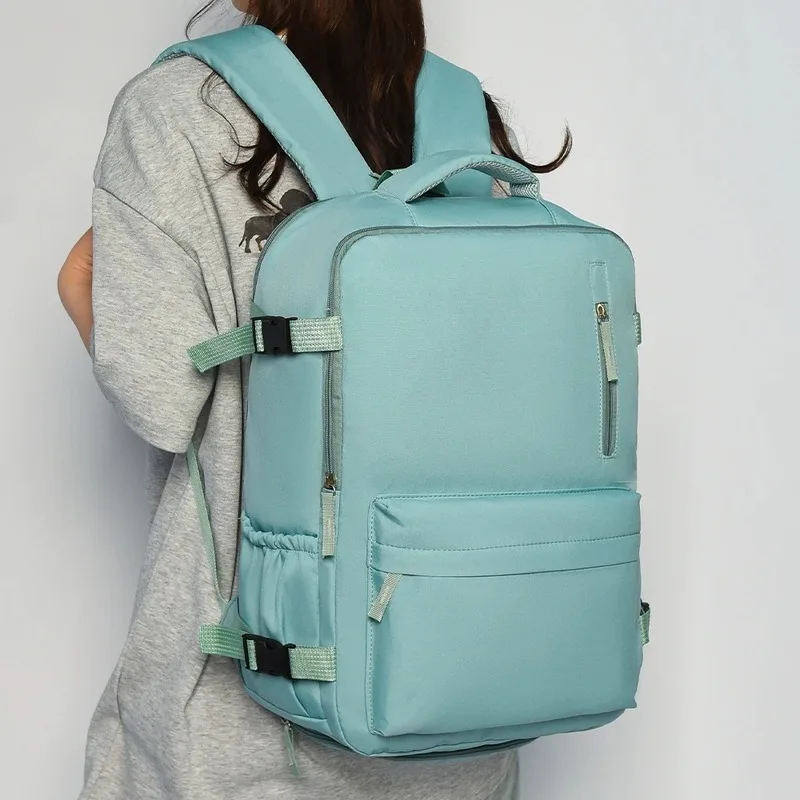
Backpack sizes are usually measured in liters, referring to storage volume. For daily use, most backpacks fall between 20 and 30 liters. This range provides room for essentials — like your laptop, notebooks, lunch, and small personal items — without bulk.
Manufacturers may also list dimensions in inches or centimeters. This helps verify whether the bag meets carry-on rules if you use it for occasional travel. Generally, a 20–25 liter bag measures around 17–19 inches tall and 11–13 inches wide. Larger day packs, in the 28–30 liter range, are slightly taller and deeper, which allows for more gear but can feel heavier during long walks.
It’s important to note that capacity doesn’t always equal usability. Two bags with equal liters can offer drastically different organization. Panels, compartments, and pocket placement influence how easily you access items. That’s why focusing solely on liters without looking inside the bag can lead to disappointment.
When evaluating the average backpack size, remember that it’s not just about a number. You need to consider design as well. A slim 25-liter laptop backpack may hold less clothing than a 25-liter hiking pack designed for gear.
Matching Size to Your Daily Activities
Your daily routine drives the best backpack size choice. Students often require space for textbooks, electronics, and perhaps gym gear. For them, 25–30 liters is typical. Office commuters carrying a laptop, planner, and lunch often find 20–25 liters sufficient.
Those with more active lifestyles may prefer larger day packs for extra gear. For instance, cyclists might carry spare clothing, water, and tools, pushing their needs closer to 28 liters. Photographers using daily gear choose even larger backpacks with compartmentalized space for cameras and lenses.
If you’re on the go all day, consider not just what you leave home with but what you bring back. Shoppers or gym-goers may need extra space for new purchases or workout clothing.
A great tip: Empty out everything from your current bag. Lay it on a table, then measure how much space it fills in liters (using a container or dimension conversion). This personal inventory helps compare your real daily load against the average backpack size range, highlighting whether you need smaller or larger capacity.
Balancing Comfort and Size
Comfort should be as high on your list as capacity. Even if a large backpack holds everything, the strain on your shoulders can lead to fatigue. The right size is a balance between what you carry and how it affects your body.
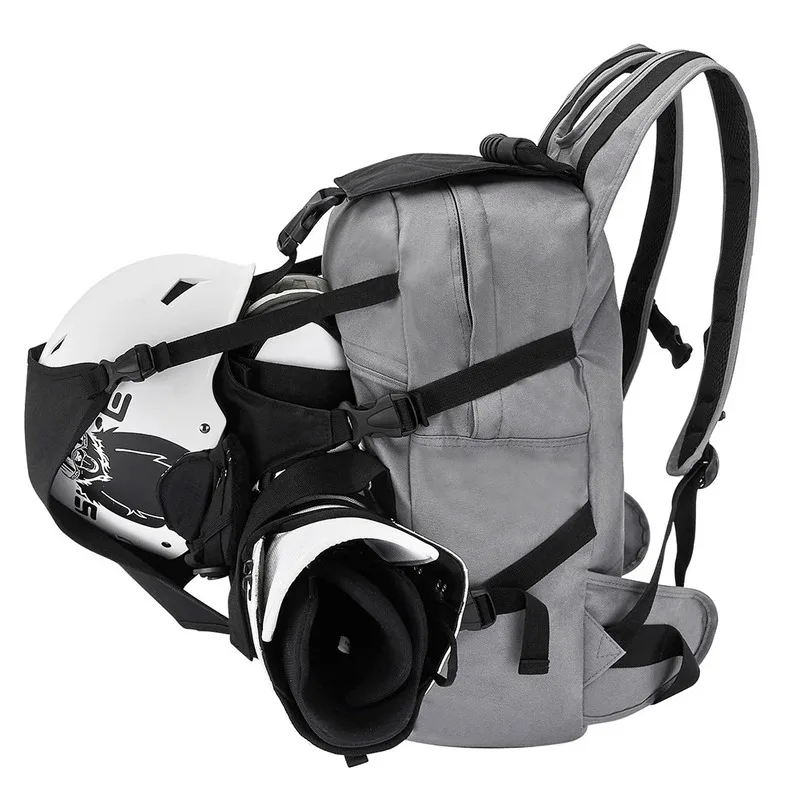
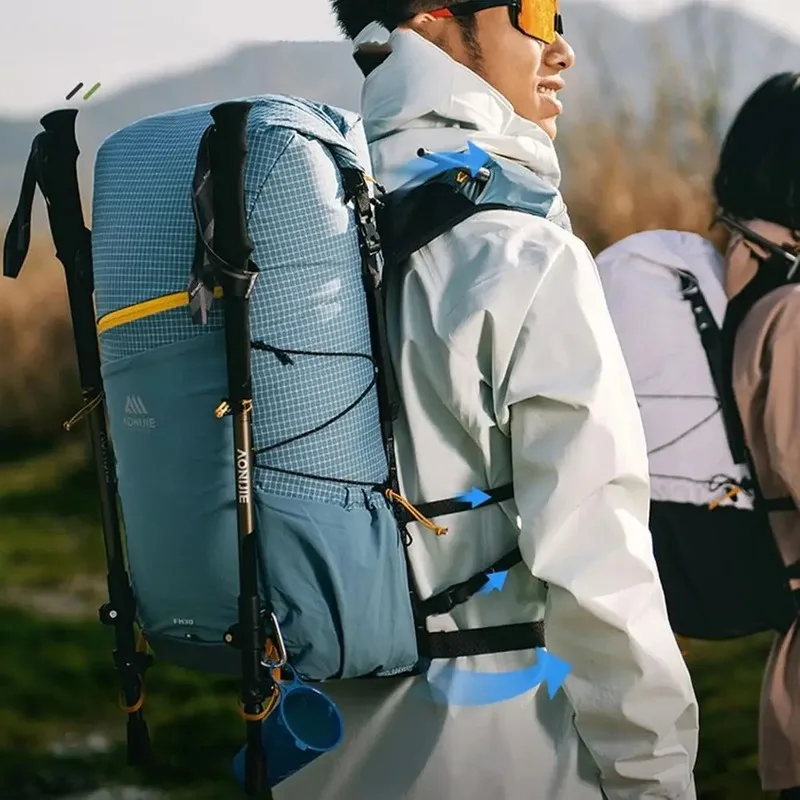
Straps play a big role here. Wide, padded straps spread weight evenly. Adjustable sternum straps stabilize the load so it doesn’t bounce as you walk. Some day packs include a slim hip belt, shifting part of the load away from shoulders.
For smaller-framed individuals, sticking to the lower end of the average backpack size range reduces strain. A heavy 30-liter bag can feel overwhelming, especially during long commutes. Taller, stronger users may safely choose the upper end.
Testing comfort before purchase makes a difference. Load a backpack with similar weight as your daily carry, walk around the store, and adjust straps. Comfort issues tend to show quickly.
Remember: The most functional backpack will be useless if it causes daily discomfort. Size should always align with what your body can handle.
Organization Matters
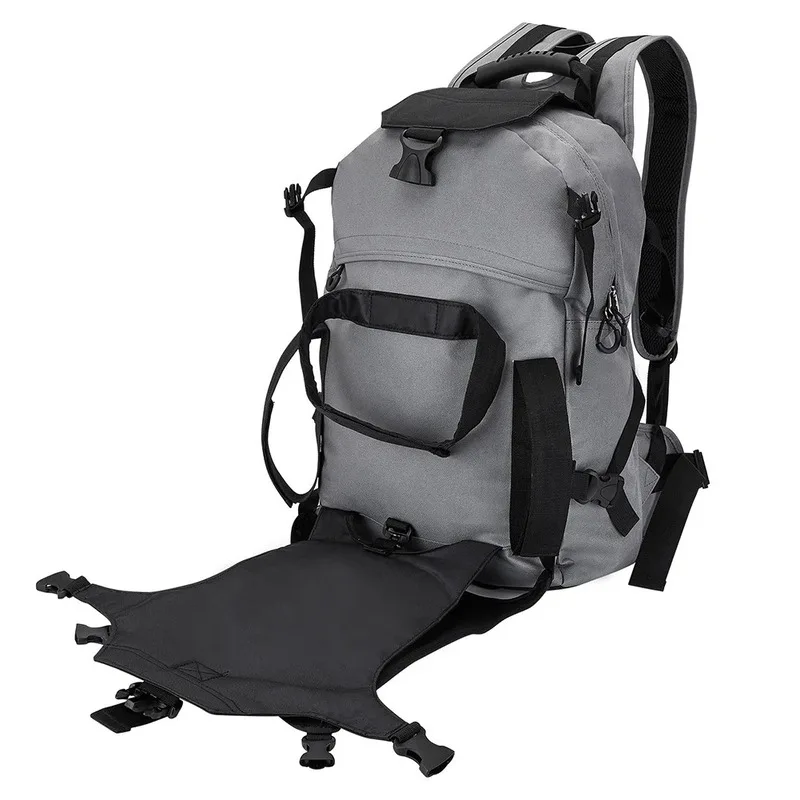
A big backpack without smart organization can become a jumbled mess. Conversely, a smaller backpack with excellent layout can feel spacious. In daily use, compartments are what keep essentials accessible.
For commuters, internal padded laptop sleeves protect devices. Side pockets hold water bottles. Front zip compartments help store snacks, chargers, or keys. Dividers and mesh keep small items from rattling around.
Backpacks in the average backpack size range often include two or three main compartments plus several accessory pockets. This balance works well for most lifestyles. For students, a separated book space keeps paperwork clean. Professionals benefit from slim pockets for pens and cards.
If you push toward the higher size range, organization becomes even more important, as you’ll likely carry mixed items. Without sections, you could waste time digging through clothes to find headphones.
Choosing size and organization together ensures your backpack supports a fast, efficient daily routine.
Durability and Weight
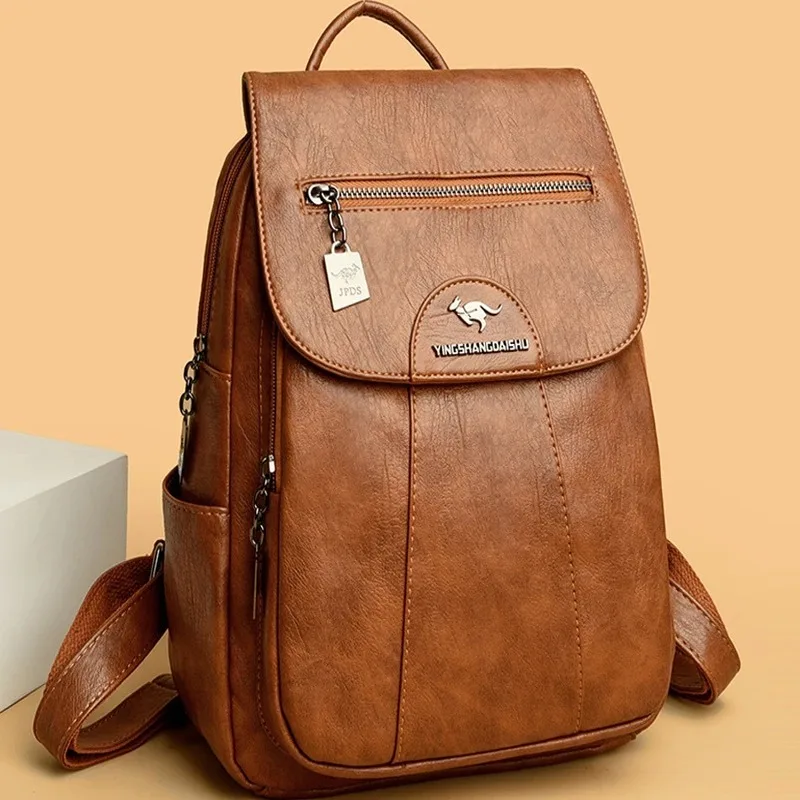
Durability links closely with material choice. Nylon and polyester are common for daily backpacks, offering abrasion resistance and weather protection. Canvas can be stylish but heavier. Leather blends durability with formal looks but requires care to resist wear.
Weight is more subtle but equally important. A backpack in the average backpack size range should weigh under 3 pounds empty for best comfort in daily use. Heavy materials, though durable, can add fatigue over time.
Zippers, stitching, and hardware also matter. Many seasoned backpack users recommend YKK zippers for smooth, reliable use. Reinforced stress points prevent straps from tearing under heavy loads.
Durability considerations apply even for just daily commuting. A reliable bag keeps valuables secure and avoids disappointing failures mid-day or mid-trip.
Style and Personal Preference
Style makes a difference in choosing the right backpack. Some prefer sleek, minimalist looks for office use, staying in neutral colors. Others embrace bold designs for personal expression.
Your own style preferences may influence whether you choose a backpack on the smaller or larger end of the average backpack size range. For instance, fashion-oriented brands often produce slimmer designs that feel lighter and look sharper, while outdoor-inspired models may seem bulkier but offer more space.
The key is balancing aesthetics with all the sizing, comfort, and durability factors we’ve discussed. A backpack that suits your taste encourages regular use.
Summary Checklist: Determining the Average Backpack Size for You
When deciding on your ideal daily backpack, run through this checklist:
- Measure Your Daily Load – Compare against common 20–30 liter range.
- Match Size to Activity – Commuting, studying, gym, or mixed lifestyle.
- Prioritize Comfort – Padded straps, weight distribution, ergonomic fit.
- Check Organization – Compartments match your items.
- Select Durable Materials – Long-term use without early wear.
- Balance Style and Function – Feel good while staying practical.
The average backpack size for daily use sits comfortably between 20 and 30 liters, but personal adjustments are key. Your body shape, load, commute style, and preferences shape that number. Choose smart, and your backpack will become a reliable partner for every day.
Final Thought: Knowing the average backpack size helps narrow choices, but the real decision blends capacity, comfort, organization, and personal style. When you take all these factors into account, you can select a bag that not only fits your daily life but enhances it day after day.