For many bird owners in the US, keeping their feathered companions warm during cold months is a top priority. A bird cage heater can provide gentle warmth, helping tropical species or older birds stay comfortable in cooler climates. But despite their benefits, there are certain situations when using one could do more harm than good.
Understanding when not to use a bird cage heater can protect your bird's health, safety, and environment. In this guide, we’ll explore specific scenarios in which these devices might be unsuitable and offer alternative ways to keep your pet comfortable without unnecessary risks.
When Your Bird Species Doesn’t Require Additional Heat
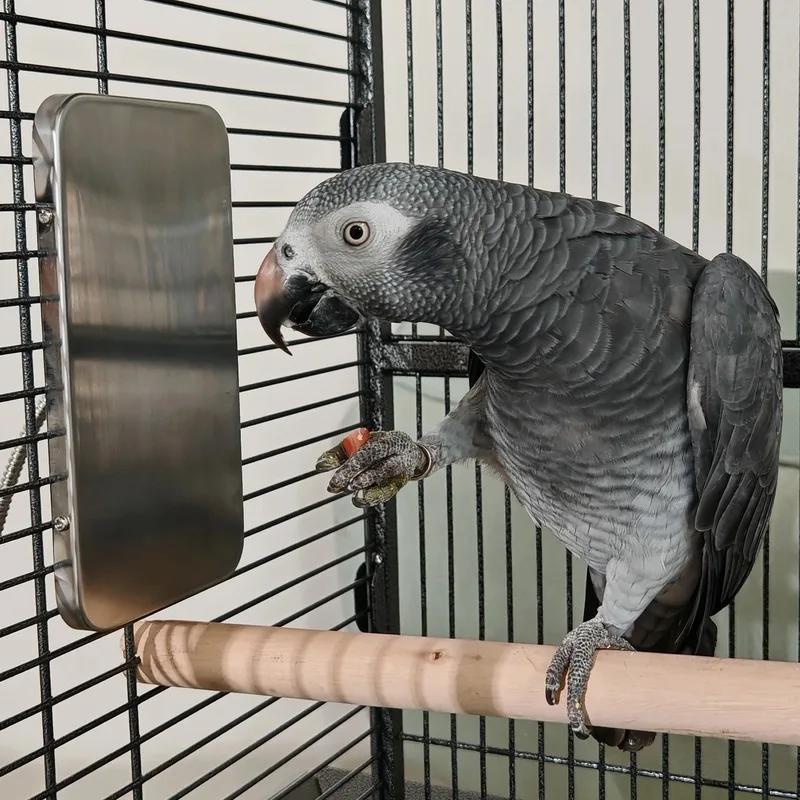
Not all birds in the US need extra warmth. Many species, especially those native to temperate or cooler climates, can tolerate lower indoor temperatures without discomfort. For example, cockatiels, parakeets, and canaries that have acclimated to typical household temperatures often do just fine without a bird cage heater.
If you significantly raise the ambient temperature beyond what’s natural for the bird’s species, you risk disrupting its natural behavior and seasonal cues. Birds have thermoregulation abilities, and constantly providing heat may prevent them from adapting naturally to mild changes in weather.
Before investing in a heater, research your specific bird’s comfort range. Talking to an avian vet can help you determine if your pet really needs supplemental warmth. Overheating doesn’t just cause discomfort — it can contribute to dehydration, restlessness, and even heat stress.
Tip: Observe your bird’s behavior. If it fluffs up constantly and avoids active movement in cold periods, warmth may be needed. If not, a heater might be unnecessary.
In Warm Indoor Environments
Many homes in the US maintain indoor temperatures between 68°F and 75°F during winter. If your indoor climate is already steady and warm, additional heat from a bird cage heater could create overly hot conditions.
Birds are more sensitive to overheating than humans. Even a few extra degrees in an enclosed space can cause them to pant, extend their wings for cooling, or become lethargic. Some heaters, especially if positioned too close to the cage or set on high, can quickly make an area stuffy.
In these circumstances, it’s better to regulate warmth through indirect methods — closing drafts, positioning the cage away from cold windows, or using a room‑wide humidifier that keeps temperature steady without localized heat spikes.
Pro tip: Use a cage thermometer to monitor conditions. Birds thrive in consistent temperatures, and rapid changes can stress their immune systems.
For Birds Prone to Overheating or With Health Issues
Several health conditions can make a bird cage heater dangerous. Birds with respiratory illnesses, certain metabolic disorders, or feather‑plucking habits may be more vulnerable to overheating or issues caused by low humidity near heaters.
Respiratory problems can worsen in overly dry, heated air — especially with certain heater models that reduce local humidity significantly. Birds that pluck or chew feathers might come into direct contact with heating surfaces, risking burns.
If your bird has a chronic health condition, run any warming plans by your vet. Sometimes small adjustments — like adding extra cage cover layers at night — can create comfort without any of the risks that heaters pose for sensitive birds.
Watch for Overheating Signs
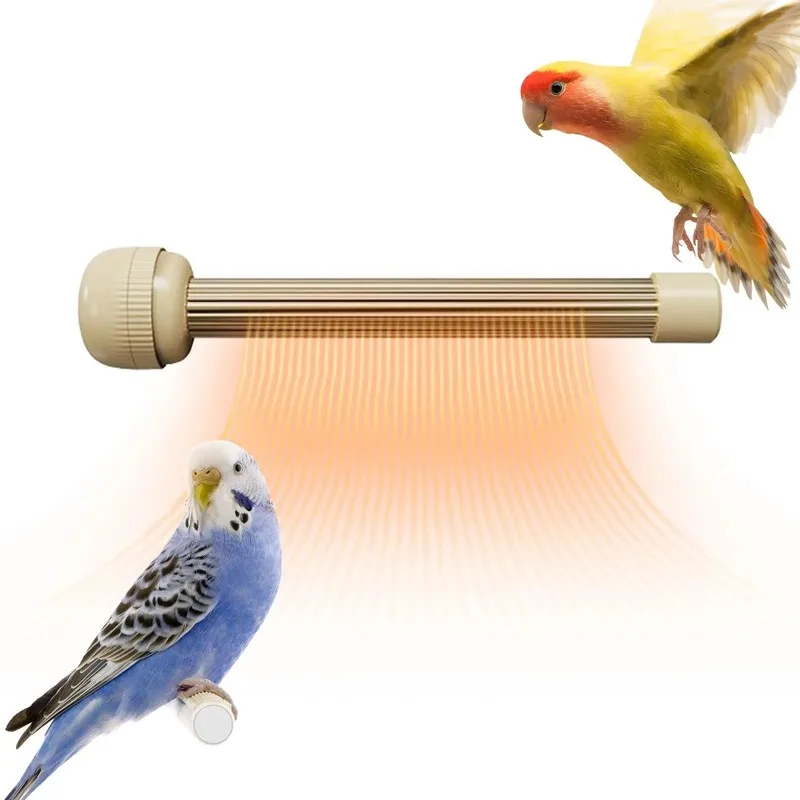
Panting, spreading wings away from the body, or persistent attempts to move away from the heater are all indicators your bird is too warm.
In Poorly Ventilated Spaces
Heating a poorly ventilated space can create multiple hazards. Using a bird cage heater in such conditions may lead to air that feels stale or too dry. Adequate ventilation helps regulate oxygen levels, remove airborne contaminants, and maintain natural humidity balance.
Birds’ respiratory systems are incredibly efficient, which also makes them highly sensitive to airborne irritants. In enclosed, heated spaces, even minor pollutants can accumulate faster. This includes dust from feathers, seed hulls, and any volatile compounds from household products.
If your birdcage area lacks good airflow but still feels chilly, it’s better to improve ventilation first. A safer choice might involve moving the cage to a different room or using a central heating system that evenly distributes warmth without direct heater contact.
Maintenance tip: Regularly clean both the cage and surrounding area — build‑up of dust and dander near a heater can become a fire hazard.
When Using the Wrong Type of Heater
Not all heaters marketed for pets are safe for birds. Some devices use exposed heating elements or produce fumes from coatings that become toxic when heated. Using an inappropriate heater increases the risk of burns, respiratory distress, or poisoning.
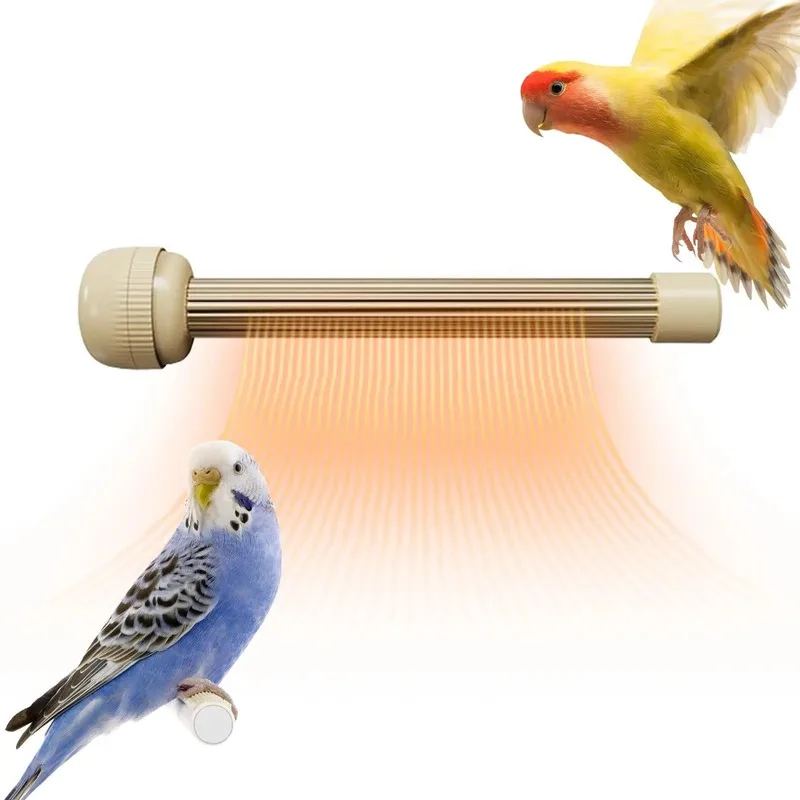
A safe bird cage heater should operate without producing light that can disrupt sleep cycles, avoid surface temps hot enough to burn, and be free from unsafe coatings or paints. Ceramic or panel heaters designed specifically for avian use typically meet these requirements.
Avoid improvised heating devices that were not intended for cages. Even heating pads designed for other animals may cause hot spots that can injure a bird if they come into close contact.
During Seasonal Molting Periods
Molting is a natural process where birds shed old feathers to make way for new growth. While a comfortable environment is important during molting, excessive heat from a bird cage heater can disrupt the normal molting rhythm.
Molting requires a balanced environment that encourages healthy feather regrowth. Too much heat can cause dehydration, which may lead to brittle new feathers. Mild, stable temperatures with slightly increased humidity tend to be better for molting birds than localized high warmth.
Providing good nutrition, access to clean water for bathing, and keeping stress low often matters more during molting than adding direct heat.
Observation: If a molting bird consistently avoids the warmed section of its enclosure, it may be signaling the heater’s temperature is uncomfortable.
If You Cannot Supervise the Heater
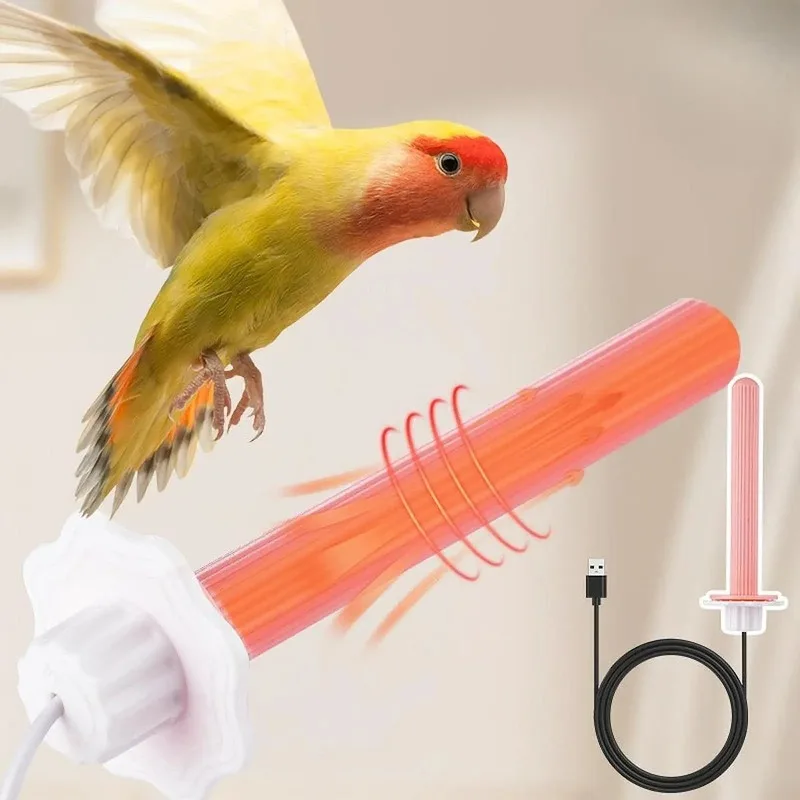
Like any electrical device, a bird cage heater should never be left running unattended for long periods, especially if it’s in close proximity to your bird. While reputable models have built‑in safety features, accidents can still happen. Power surges, cord damage, or malfunctioning thermostats can create overheating risks or fire hazards.
If you must be away, consider insulating the cage area by other means — for example, move it to a less drafty part of the home, add safe insulating materials around (but not inside) the cage, or raise the general room temperature using your central system. These methods reduce risk while keeping your bird comfortable.
Safety habit: Check cords for wear and test off‑switches monthly to ensure the device functions correctly.
Final Thoughts
A bird cage heater can be a helpful tool in cold climates or for warmth‑needy bird species, but it’s not always the right solution. Avoid using one when your indoor temperatures are already warm, your bird species is cold‑tolerant, the space lacks ventilation, your bird has heat‑sensitive health issues, or when there’s no supervision. In these cases, safer alternatives such as insulation, cage covers, or whole‑room heating are better choices.
For US bird owners, the best approach is balance: provide comfort without creating new risks. By observing your bird’s behavior, knowing its unique needs, and choosing the right heating methods, you can ensure a safe and healthy environment 365 days a year.