The History and Evolution of Cylinder Head Gaskets
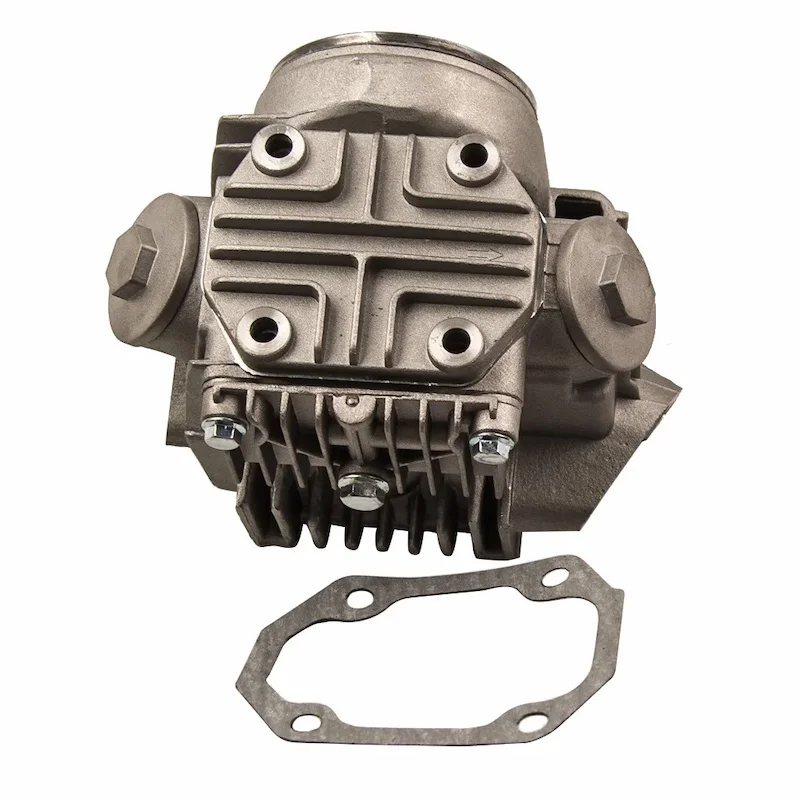
Cylinder gasket head is among the most critical components in an internal combustion engine. They serve as the vital seal between the cylinder head and the engine block, ensuring proper compression, preventing leaks, and maintaining overall engine performance. Whether you're a mechanic, an automotive enthusiast, or simply someone interested in how engines work, understanding the cylinder gasket head is essential for diagnosing issues, performing repairs, and optimizing your vehicle's performance.
This comprehensive guide dives deep into everything you need to know about cylinder head gaskets—history, materials, design elements, maintenance tips, and much more. Let’s explore how these small but mighty components contribute to the heart of modern engines.
Origins in Early Engine Design
The concept of the cylinder head gasket dates back to the dawn of internal combustion engines in the late 19th century. In their simplest form, early gaskets were made from materials like cork, paper, or even asbestos, designed to prevent leaks between the cylinder head and the engine block. However, these primitive designs often failed under the high pressures and temperatures generated by engines.
As engine technology advanced, so did the need for more reliable sealing solutions. By the mid-20th century, manufacturers began experimenting with composite materials and multi-layered designs to improve durability and performance. These innovations laid the groundwork for today's advanced cylinder head gaskets.
Transition to Modern Engineering
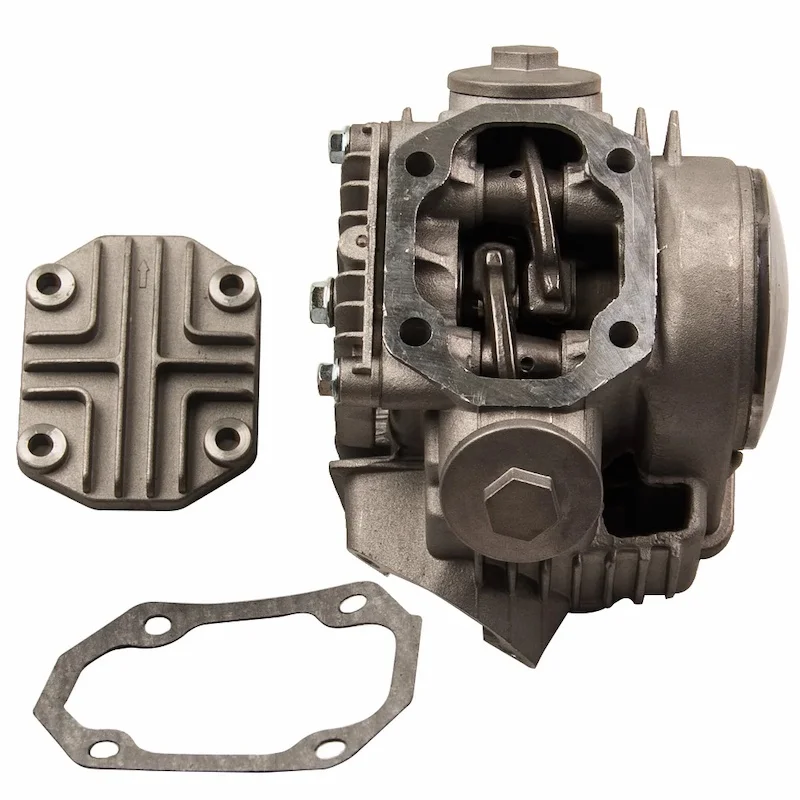
Today, cylinder head gaskets are engineered with precision and incorporate cutting-edge technologies to ensure they can withstand the extreme conditions inside modern engines. Multi-Layer Steel (MLS) gaskets have become the industry standard, offering superior strength, flexibility, and resistance to thermal expansion.
Modern gaskets are also designed to handle not only mechanical stresses but also corrosive environments caused by coolant and oil exposure. This evolution has allowed engines to operate at higher temperatures, pressures, and efficiencies while reducing the risk of catastrophic failures such as blown head gaskets.
Materials Used in Cylinder Head Gaskets
Traditional Materials
Historically, cylinder head gaskets were constructed from a variety of materials, each chosen for its specific properties:
- Asbestos: Known for its heat resistance, asbestos was widely used in early gaskets. However, health concerns surrounding asbestos exposure led to its phase-out in the automotive industry.
- Copper: Copper gaskets provided excellent heat conductivity and sealability but required careful installation to avoid warping or damage.
- Composite Materials: Early composite gaskets combined materials like graphite, rubber, and steel to balance flexibility and strength.
While these materials served their purpose, they often lacked the durability and performance required for modern engines.
Advanced Materials and Technologies
In recent decades, the development of MLS gaskets revolutionized the industry. MLS gaskets consist of several thin layers of stainless steel, each coated with a layer of nitrile rubber or silicone to improve sealability. Key advantages include:
- Durability: Resistant to high temperatures, pressures, and corrosion.
- Flexibility: Designed to accommodate thermal expansion and contraction without failing.
- Precision: Manufactured with tight tolerances to ensure perfect fit and function.
Additionally, some high-performance applications use solid copper gaskets with O-rings or fire rings for superior sealing in extreme conditions.
Design Elements of Cylinder Head Gaskets
Sealing Functions
Cylinder head gaskets perform several critical sealing functions within an engine:
- Compression Sealing: Prevents the loss of combustion gases during the power stroke, ensuring maximum efficiency and power output.
- Coolant Sealing: Keeps coolant contained within the cooling system, preventing it from leaking into the combustion chamber or oil passages.
- Oil Sealing: Stops engine oil from entering the combustion chamber or coolant passages, maintaining lubrication and preventing contamination.
Each of these functions requires precise engineering and material selection to ensure reliable performance over time.
Construction and Features
Modern cylinder head gaskets feature advanced construction techniques to enhance their functionality. Common features include:
- Embossed Layers: Raised areas on the gasket that provide additional sealing force around critical areas like cylinders, water jackets, and oil passages.
- Elastomer Coatings: Rubber or silicone coatings applied to the gasket surfaces to improve sealability and reduce the risk of leaks.
- Fire Rings: In some designs, fire rings or O-rings are added around the cylinders to further enhance combustion sealing.
These features work together to create a robust barrier between the cylinder head and engine block, ensuring optimal engine performance and longevity.
How to Choose the Right Cylinder Head Gasket
Matching Engine Type and Application
Selecting the appropriate cylinder gasket head depends on the type of engine and its intended application. For example:
- Street Vehicles: Standard MLS gaskets are sufficient for most passenger vehicles, offering a balance of durability and cost-effectiveness.
- Racing Engines: High-performance engines require specialized gaskets capable of handling extreme temperatures, pressures, and vibrations. Solid copper gaskets with fire rings are often preferred in these applications.
- Heavy-Duty Applications: Diesel engines and other heavy-duty applications benefit from thicker, more robust gaskets designed to withstand prolonged operation under high loads.
Understanding your specific needs—whether for speed, towing capacity, or everyday commuting—is crucial when choosing a cylinder head gasket.
Customization and Performance Upgrades
For enthusiasts seeking maximum performance, aftermarket cylinder head gaskets offer numerous customization options. Popular upgrades include:
- Thicker MLS Gaskets: Provide increased sealing force and better tolerance for engine modifications like porting or larger valves.
- Solid Copper Gaskets: Offer superior sealing in high-performance applications, particularly in racing or heavily modified engines.
- Custom Designs: Tailored gaskets can be created for unique engine builds, ensuring perfect fit and function even in unconventional setups.
These modifications can yield significant gains in reliability and performance but require careful consideration of compatibility and potential trade-offs in cost and complexity.
Maintaining and Repairing Cylinder Head Gaskets
Preventive Maintenance Tips
Proper maintenance is vital to extending the life of your cylinder gasket head and preventing costly repairs. Regular inspections should focus on:
- Coolant Levels: Ensuring adequate coolant circulation to prevent overheating, which is a leading cause of gasket failure.
- Engine Condition: Monitoring for signs of excessive wear or misalignment that could compromise gasket integrity.
- Regular Service Intervals: Adhering to manufacturer-recommended service schedules to address minor issues before they become major problems.
Addressing minor concerns promptly can save you from major headaches down the road.
Common Repairs and Solutions
Despite diligent care, cylinder head gaskets may still fail due to factors like overheating, detonation, or normal wear and tear. Common symptoms of a blown head gasket include:
- White Smoke from Exhaust: Indicative of coolant entering the combustion chamber.
- Milky Oil: Caused by coolant mixing with engine oil.
- Loss of Coolant Without Visible Leaks: Suggests internal leakage through the gasket.
Repair solutions typically involve replacing the damaged gasket and inspecting related components like the cylinder head and engine block for warping or damage. Professional mechanics or specialized shops equipped with advanced diagnostic tools and machining capabilities are best suited for tackling these repairs.
Innovations and Future Trends in Cylinder Head Gasket Technology
Electric and Hybrid Applications
With the rise of electric and hybrid vehicles, the role of traditional cylinder gasket head is evolving. While fully electric cars eliminate the need for internal combustion engines, hybrid models still rely on optimized gaskets to complement their battery-powered systems. Engineers are developing gaskets with enhanced efficiency and reduced emissions to meet stringent environmental regulations.
Technologies such as advanced coatings and multi-material composites further push the boundaries of what cylinder head gaskets can achieve in hybrid applications.
Advancements in Manufacturing Techniques
Advancements in manufacturing techniques continue to drive innovation in cylinder gasket head design. Additive manufacturing (3D printing) allows for the creation of complex geometries and lightweight structures previously impossible with conventional methods. Additionally, computer-aided design (CAD) and simulation software enable precise modeling and testing of new concepts before production.
Looking ahead, these developments promise even more durable, efficient, and eco-friendly gaskets capable of meeting the demands of future engine technologies.
By exploring the history, materials, design elements, maintenance practices, and future trends surrounding cylinder head gaskets, this guide provides a comprehensive overview of their importance in modern engineering. Whether you're working on a classic muscle car or designing the next generation of hybrid vehicles, understanding cylinder head gaskets is key to unlocking their full potential. Embrace the science behind these remarkable components and let them propel your projects forward!