The History and Evolution
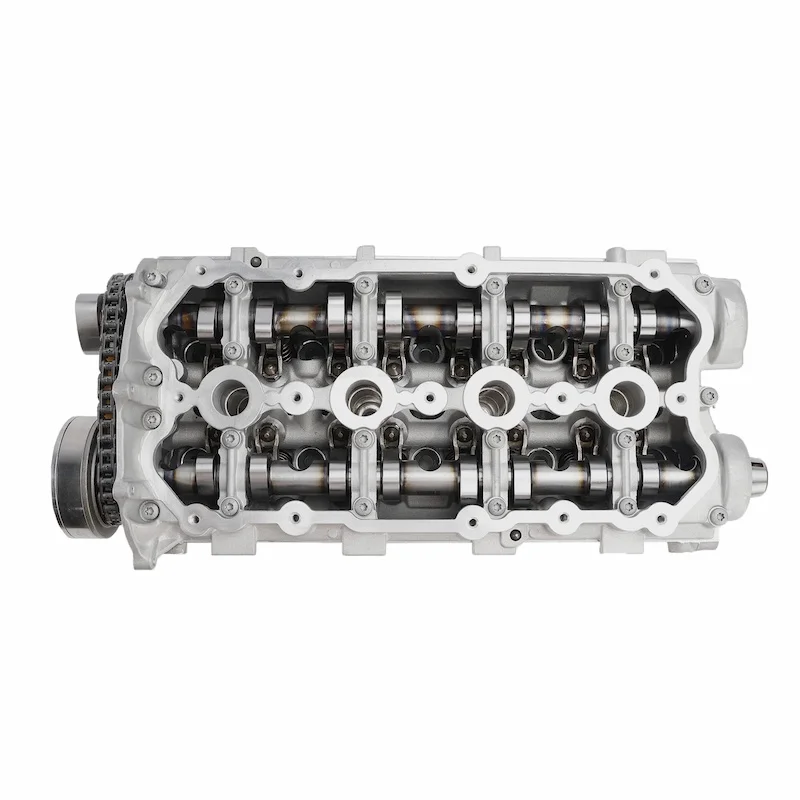
Cylinder heads are among the most critical components in an internal combustion engine. They play a pivotal role in determining the efficiency, power output, and overall performance of a vehicle or machinery. Whether you're a car enthusiast, a mechanic, or simply curious about how engines work, understanding cylinder heads is essential for optimizing performance and ensuring longevity.
This comprehensive guide dives deep into everything you need to know about cylinder heads—history, materials, design elements, maintenance tips, and much more. Let’s explore how these intricate components contribute to the heart of modern engines.
Origins of Cylinder Heads
The concept of the cylinder head dates back to the early days of internal combustion engines in the late 19th century. Initially, engines were designed with open-ended cylinders, where the combustion process occurred directly above the pistons. However, this design was inefficient and prone to heat loss, leading engineers to develop enclosed tops for the cylinders.
The first cylinder heads were simple cast-iron caps that sealed the top of the cylinder, allowing for better compression and improved thermal efficiency. These early designs lacked the complexity of today's cylinder heads but laid the foundation for future advancements.
Transition to Modern Designs
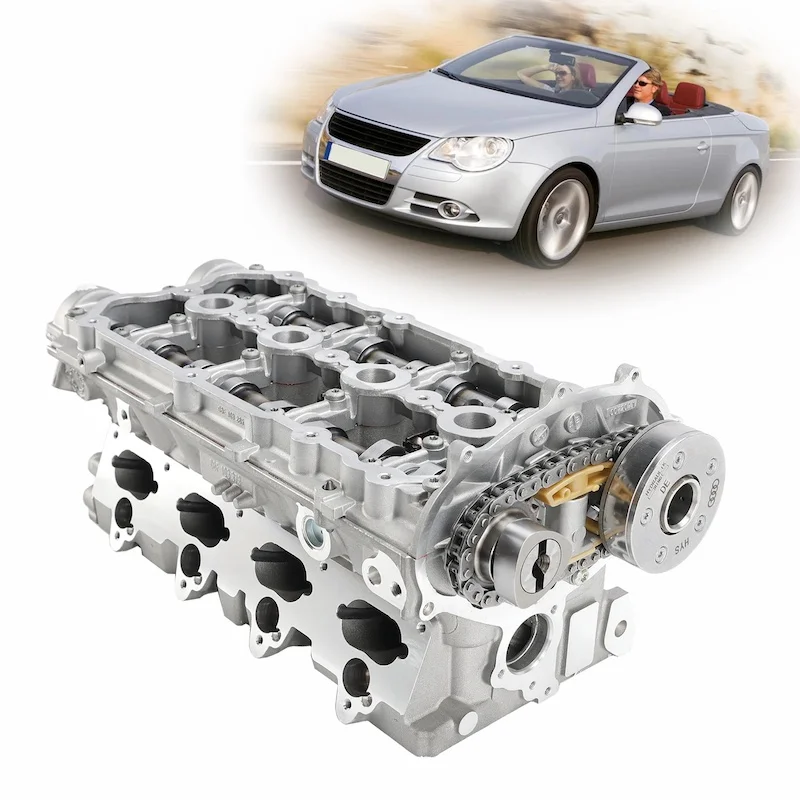
As automotive technology advanced, so did the design of cylinder heads. By the mid-20th century, manufacturers began incorporating multiple valves per cylinder to enhance airflow and improve engine performance. This shift marked the beginning of overhead valve (OHV) and overhead camshaft (OHC) configurations, which remain dominant in modern engines.
Today, cylinder heads are engineered with precision and equipped with technologies such as variable valve timing (VVT), direct fuel injection, and turbocharging. These innovations have significantly boosted engine efficiency, reduced emissions, and increased horsepower while maintaining reliability.
Materials
Traditional Materials
Historically, cylinder heads were predominantly made from cast iron due to its durability, affordability, and ability to withstand high temperatures and pressures. Cast iron remains a popular choice for certain applications, particularly in heavy-duty diesel engines and older vehicles.
However, the weight and thermal conductivity limitations of cast iron led engineers to explore alternative materials. Aluminum emerged as a preferred material for many modern engines because of its lighter weight, superior heat dissipation, and ease of machining.
Advanced Materials and Coatings
In recent years, the use of advanced materials and coatings has revolutionized cylinder head design. For example:
- Aluminum Alloys: Enhanced with additives like silicon or magnesium, aluminum alloys provide improved strength and corrosion resistance.
- Composite Materials: Some high-performance engines incorporate carbon fiber or ceramic composites for extreme lightweight solutions.
- Coatings: Thermal barrier coatings (TBCs) and wear-resistant layers are applied to protect critical surfaces, such as valve seats and combustion chambers, from damage caused by high temperatures and friction.
These advancements not only extend the lifespan of cylinder heads but also enable higher operating temperatures and pressures, resulting in greater power outputs.
Design Elements
Valve Train Components
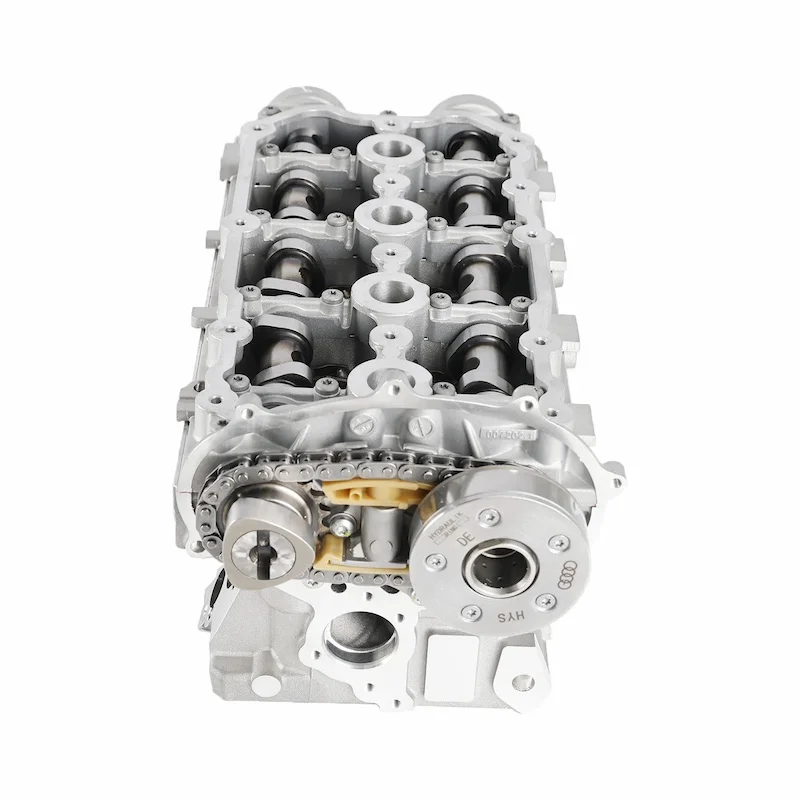
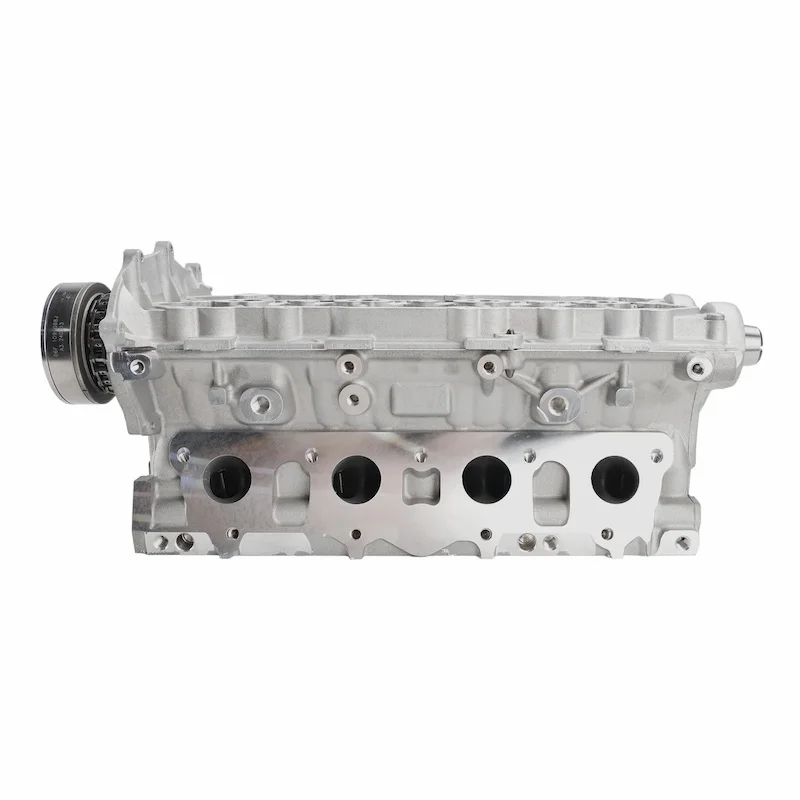
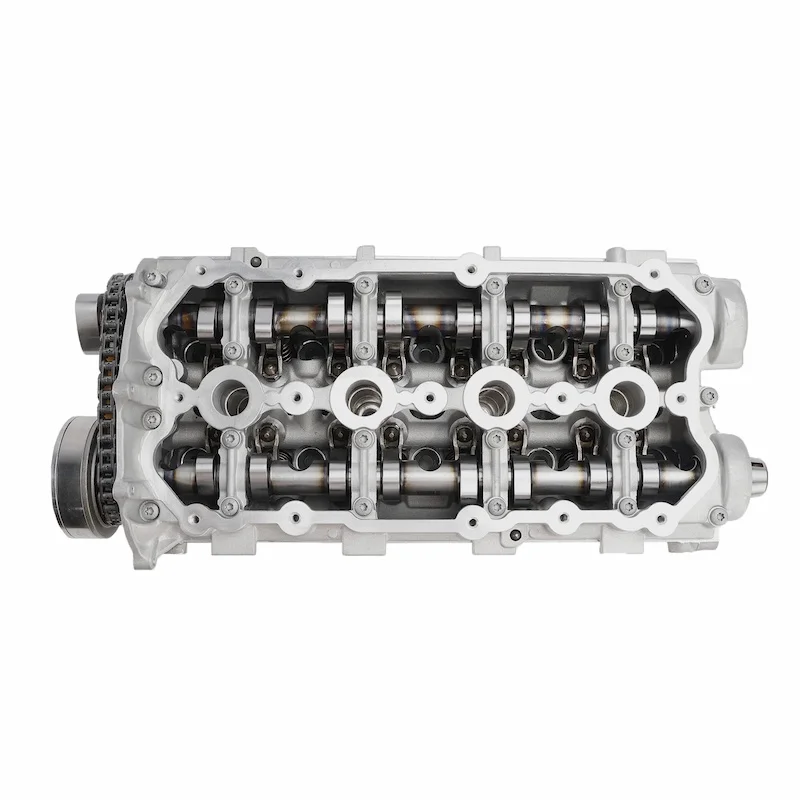
At the core of every cylinder head lies the valve train, which controls the flow of air and fuel into the combustion chamber and expels exhaust gases. Key components include:
- Intake Valves: Allow fresh air and fuel mixture to enter the cylinder during the intake stroke.
- Exhaust Valves: Enable the expulsion of burned gases after combustion.
- Camshafts: Actuate the opening and closing of valves through lobes that push against lifters or followers.
- Springs and Retainers: Ensure valves return to their closed position after each cycle.
Modern designs often feature multi-valve configurations (e.g., DOHC engines with four or five valves per cylinder) to maximize airflow and combustion efficiency.
Combustion Chamber Geometry
The shape and size of the combustion chamber within the cylinder head significantly impact engine performance. Common geometries include:
- Hemispherical Chambers: Provide excellent airflow and flame propagation, ideal for high-performance engines.
- Bathtub Chambers: Offer balance between power and fuel economy, commonly found in passenger vehicles.
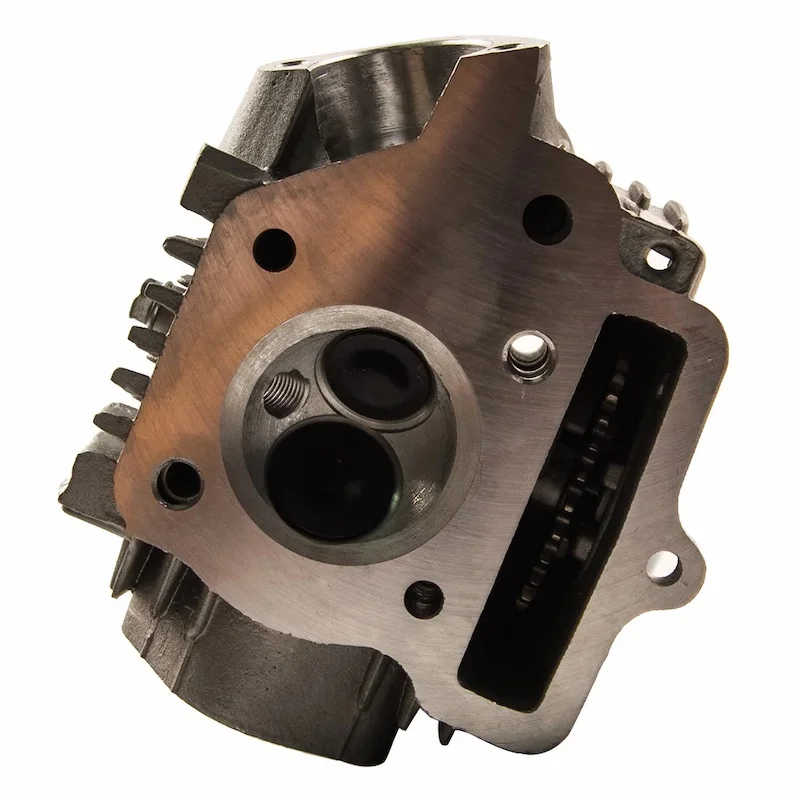
- Pentroof Chambers: Incorporate multiple valves and compact designs for efficient combustion in smaller engines.
Engineers carefully optimize these shapes to achieve specific goals, whether it's maximizing horsepower, improving fuel efficiency, or reducing emissions.
How to Choose the Right Cylinder Head
Matching Engine Type and Application
Selecting the appropriate cylinder head depends on the type of engine and its intended application. For instance:
- Racing Engines: Require lightweight, high-flow cylinder heads with advanced cooling systems to sustain peak performance under extreme conditions.
- Street Vehicles: Benefit from balanced designs that prioritize both power and fuel economy, often featuring VVT and turbocharging technologies.
- Heavy-Duty Applications: Demand robust construction and enhanced durability to handle prolonged operation at high loads.
Understanding your specific needs—whether for speed, towing capacity, or everyday commuting—is crucial when choosing a cylinder head.
Customization and Performance Upgrades
For enthusiasts seeking maximum performance, aftermarket cylinder heads offer numerous customization options. Popular upgrades include:
- Porting and Polishing: Improving airflow by smoothing out intake and exhaust ports.
- High-Performance Valves: Replacing stock valves with ones made from stronger, lighter materials like titanium.
- Custom Camshafts: Tailoring lift profiles and durations to suit specific driving styles or racing requirements.
These modifications can yield significant gains in horsepower and torque but require careful consideration of compatibility and potential trade-offs in reliability.
Maintaining and Repairing
Preventive Maintenance Tips
Proper maintenance is vital to extending the life of your cylinder head and preventing costly repairs. Regular inspections should focus on:
- Coolant Levels: Ensuring adequate coolant circulation to prevent overheating and warping.
- Valve Clearance: Checking and adjusting clearances according to manufacturer specifications.
- Gasket Integrity: Monitoring head gaskets for signs of leaks or blowouts.
Adhering to scheduled maintenance schedules and addressing minor issues promptly can save you from major headaches down the road.
Common Repairs and Solutions
Despite diligent care, cylinder heads may still require repair due to factors like overheating, detonation, or normal wear and tear. Common problems include:
- Warped Heads: Caused by excessive heat, warped heads can be machined flat if damage isn't too severe.
- Cracked Combustion Chambers: Often necessitate replacement rather than repair due to structural concerns.
- Leaking Gaskets: Addressed by replacing damaged gaskets and ensuring proper torquing during reassembly.
Professional mechanics or specialized shops equipped with advanced diagnostic tools and machining capabilities are best suited for tackling complex repairs.
Innovations and Future Trends in Cylinder Head Technology
Electric and Hybrid Applications
With the rise of electric and hybrid vehicles, the role of traditional cylinder heads is evolving. While fully electric cars eliminate the need for internal combustion engines, hybrid models still rely on optimized cylinder heads to complement their battery-powered systems. Engineers are developing cylinder heads with enhanced efficiency and reduced emissions to meet stringent environmental regulations.
Technologies such as Atkinson cycle engines and advanced combustion strategies further push the boundaries of what cylinder heads can achieve in hybrid applications.
Advancements in Manufacturing Techniques
Advancements in manufacturing techniques continue to drive innovation in cylinder head design. Additive manufacturing (3D printing) allows for the creation of complex geometries and lightweight structures previously impossible with conventional methods. Additionally, computer-aided design (CAD) and simulation software enable precise modeling and testing of new concepts before production.
Looking ahead, these developments promise even more powerful, efficient, and eco-friendly engines powered by cutting-edge cylinder heads.
By exploring the history, materials, design elements, maintenance practices, and future trends surrounding cylinder heads, this guide provides a comprehensive overview of their importance in modern engineering. Whether you're working on a classic muscle car or designing the next generation of hybrid vehicles, understanding cylinder heads is key to unlocking their full potential. Embrace the science behind these remarkable components and let them propel your projects forward!