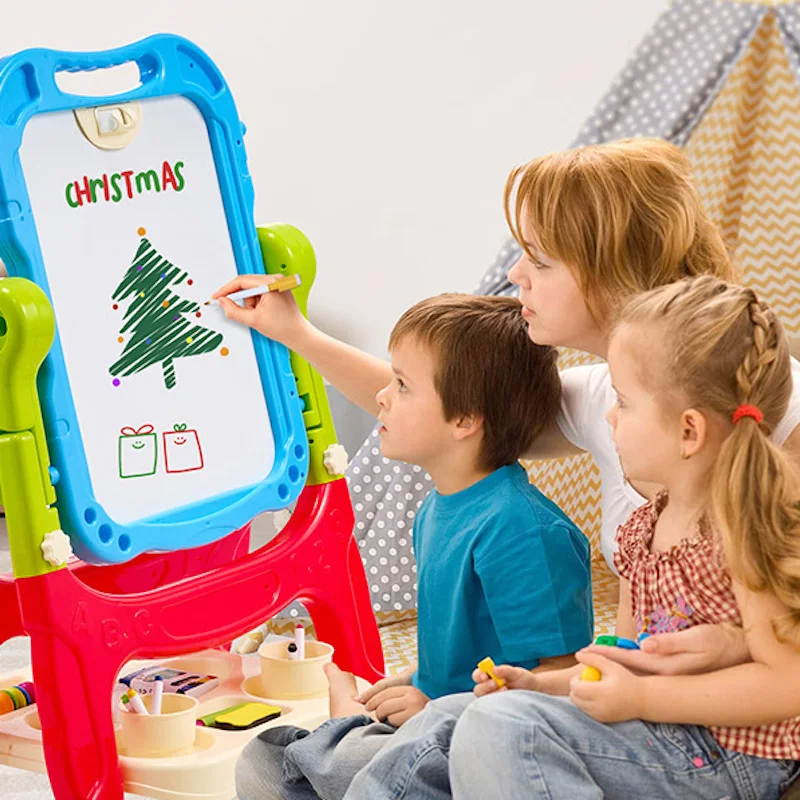
Drawing is one of the most powerful tools for child development—it nurtures creativity, boosts confidence, improves fine motor skills, and provides a safe outlet for emotions. But for many young children, the blank page can feel intimidating. That’s where easy drawing for kids comes in. By starting with simple shapes, familiar objects, and step-by-step guidance, kids discover that art isn’t about perfection—it’s about expression, exploration, and joy.
This article breaks down everything you need to know about easy drawing for kids in eight clear, practical parts. Whether you're a parent, teacher, or caregiver looking to spark creativity in children aged 3–12, this guide will help you turn “I can’t draw” into “I love to draw!”
Why Easy Drawing Matters for Kids
Many adults assume that drawing must be complex to be meaningful—but that’s not true. For kids, especially those just beginning to explore art, simple drawing is the gateway to creative confidence. Here’s why it matters:
- Builds Self-Esteem: When kids complete a recognizable drawing (like a cat, house, or rocket), they feel proud—not frustrated. This builds belief in their abilities.
- Encourages Persistence: Easy drawings teach that progress comes from practice—not talent. Each small success motivates them to try again.
- Supports Emotional Expression: Children often express feelings through images—drawing a smiling sun might mean “I’m happy,” while a storm cloud could mean “I’m sad.”
- Develops Fine Motor Skills: Holding pencils, tracing lines, and coloring within boundaries strengthen hand muscles essential for writing and daily tasks.
- Boosts Cognitive Growth: Recognizing shapes, following steps, and planning layouts improve problem-solving, memory, and spatial reasoning.
According to the National Endowment for the Arts, children who engage in regular drawing activities show higher levels of focus, empathy, and academic engagement. The key? Start simple—and let them enjoy the process.
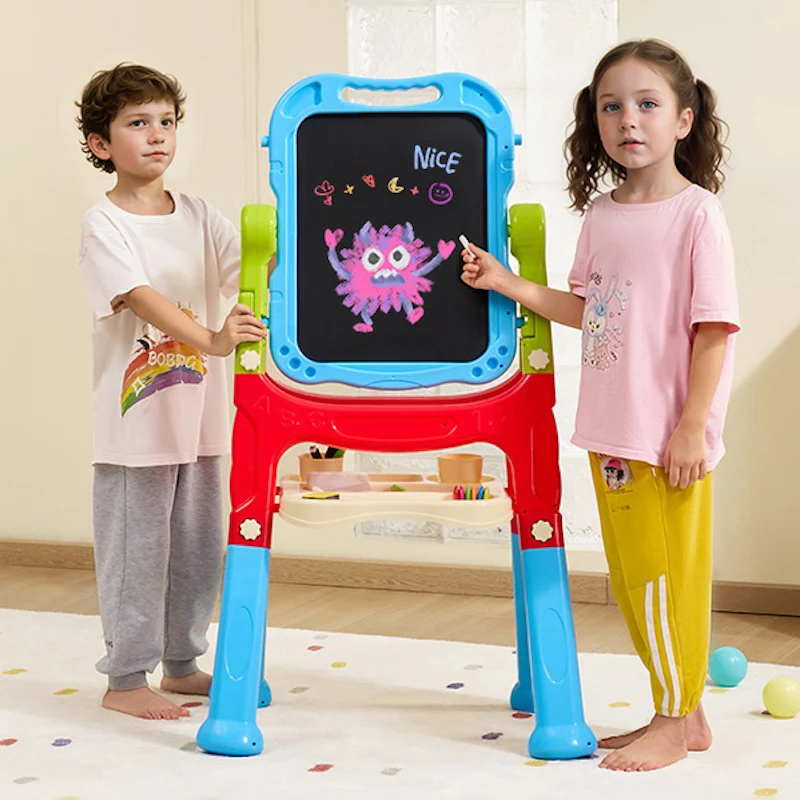
What Makes a Drawing “Easy” for Kids
Not all easy drawing for kids are created equal when it comes to age and skill level. An “easy” drawing for a 5-year-old might be a circle with dots for eyes—a “cat.” For a 9-year-old, it could be a multi-step house with windows and a door. So what makes a drawing truly “easy”?
- Familiar Subjects: Drawings of animals, vehicles, food, or people they see every day are instantly relatable.
- Step-by-Step Instructions: Breaking a complex image into 3–5 simple steps (e.g., “First draw a circle. Then add two ears.”) reduces overwhelm.
- Minimal Details: Focus on basic shapes—circles, squares, triangles—rather than intricate shading or proportions.
- No Pressure to Be Perfect: Emphasize that mistakes are part of the process (“What if we make the cat wobbly? That’s okay!”).
- Short Time Commitment: Easy drawings take 5–15 minutes—ideal for short attention spans and busy schedules.
When kids feel capable of completing a drawing quickly and successfully, they’re more likely to keep coming back to art.
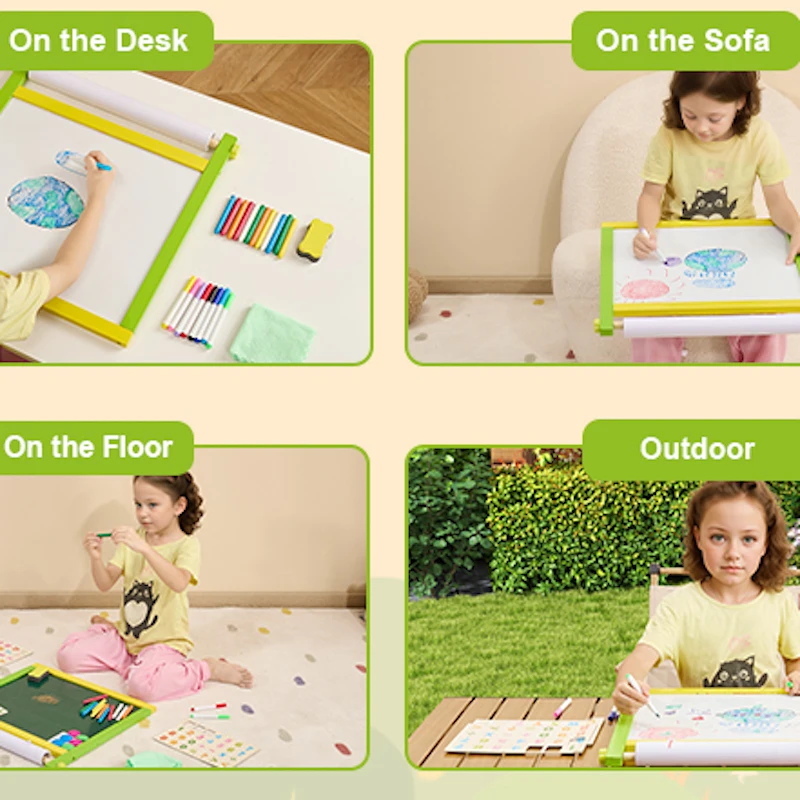
Top 5 Easy Drawing Ideas for Kids (Ages 3–12)
Here are five beginner-friendly drawings that kids love—and you’ll love teaching:
- The Happy Face
How: Draw a big circle for the face, add two eyes, a nose, and a wide smile. Add hair or hats for fun!
Why: Builds facial recognition, teaches symmetry, and lets kids personalize their creation. - Simple House
How: Square base + triangle roof + door + window. Add clouds, trees, or a sun.
Why: Introduces basic architecture, encourages storytelling (“Who lives here?”), and feels satisfying to finish. - Animal Faces (Cat, Dog, Fish)
How: Use circles and ovals for heads, add eyes, ears, and tails. Keep it cartoonish!
Why: Boosts animal knowledge, promotes imagination, and is perfect for early learners. - Rainbow
How: Draw a curved line, then add colored arcs underneath—red, orange, yellow, green, blue, purple.
Why: Teaches colors, introduces curves, and sparks curiosity about weather and nature. - Rocket Ship
How: Tall rectangle body, cone-shaped nose, fins at the bottom, and flames at the tail.
Why: Taps into space themes, encourages fantasy play, and gives a sense of “launching into adventure.”
Each of these ideas uses minimal materials (paper, pencil, eraser) and takes less than 15 minutes—perfect for rainy days, car rides, or quiet time.
How to Teach Easy Drawing Without Pressure
The goal isn’t to produce museum-worthy art—it’s to build a love for drawing. Here’s how to guide your child without making them feel judged:
- Model It First: Draw alongside them—even if your version looks silly. Show that mistakes are normal and fun.
- Use Positive Language: Say “Let’s try this together!” instead of “You did it wrong.” Avoid criticism like “That’s not how a cat looks.”
- Celebrate Effort, Not Perfection: Praise effort: “I love how you tried three different ways to draw the eyes!”
- Let Them Lead: Ask, “What do you want to draw next?” rather than dictating. This builds autonomy and excitement.
- Keep It Playful: Turn drawing into a game—“Draw a creature that has four legs and three eyes!” or “Make a rainbow that changes color as you go.”
When drawing feels like play—not pressure—you create a safe space for creativity to flourish.
Materials You Need (And Where to Find Them)
You don’t need expensive supplies to start easy drawing for kids. In fact, the simpler the better!
- Paper: Plain white sheets, notebook paper, or even recycled cardboard work well.
- Pencils: Standard #2 pencils are ideal—they erase easily and are affordable.
- Eraser: A soft rubber eraser helps kids correct mistakes without frustration.
- Crayons or Markers (Optional): Once comfortable with outlines, kids can add color to bring their drawings to life.
- Stickers or Stamps (Bonus): Let them decorate their finished artwork—great for motivation!
Tip: Keep a small “drawing kit” in a box—pencil, eraser, paper, and a few crayons—for spontaneous creativity anytime, anywhere.
How to Make Drawing a Daily Habit (Without Boredom)
Kids thrive on routine—but easy drawing for kids shouldn’t feel like homework. Here’s how to weave it into daily life naturally:
- Morning Warm-Up: Spend 5 minutes drawing after breakfast—no theme, just free play.
- Bedtime Storytime: After reading, ask, “What did the story remind you of? Draw it!”
- Car Rides or Wait Times: Bring a mini sketchbook for waiting rooms, traffic, or flights.
- Theme Days: “Animal Monday,” “Food Friday”—kids love drawing based on weekly topics.
- Family Drawing Challenge: Every Sunday, each person draws something related to the week. Share and laugh together.
These routines make drawing feel natural—not forced—and encourage consistency without burnout.
Common Mistakes Parents Make (And How to Fix Them)
Even well-intentioned parents can unintentionally stifle creativity. Watch out for these common pitfalls:
- Overcorrecting: Saying “No, that’s not how a dog looks” kills confidence. Instead, say, “Cool! What if we made the ears pointy?”
- Comparing to Others: “Your friend drew better” undermines self-worth. Focus on your child’s progress: “Look how much better your circles look now!”
- Using Too Much Pressure: Expecting a “masterpiece” leads to stress. Remind them: “It’s not about being good—it’s about having fun.”
- Ignoring Art Supplies: If your child loves drawing but doesn’t have access, it won’t happen. Keep supplies handy!
- Skipping Feedback: Don’t just say “Good job”—ask questions like “Tell me about your drawing!” This deepens engagement.
By avoiding these mistakes, you create a nurturing environment where creativity thrives—not competes.
Final Thoughts: Drawing Is a Superpower for Life
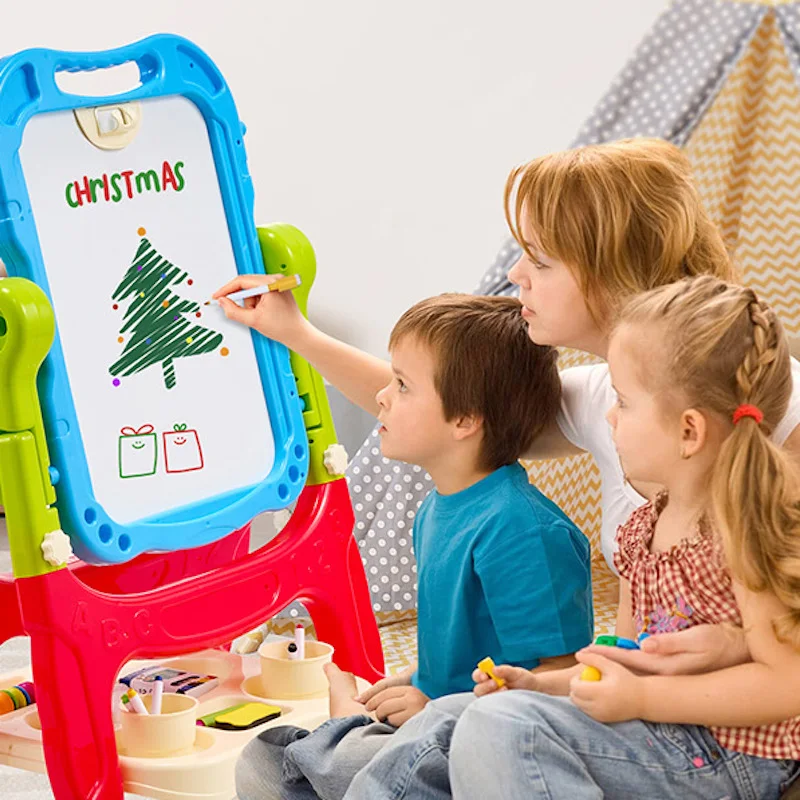
Easy drawing for kids isn’t just about making pictures—it’s about building resilience, emotional intelligence, and creative thinking. It teaches them that they can create something beautiful from nothing. That mistakes are part of the journey. And that their voice—through art—matters.
Whether your child wants to draw a dragon, a robot, or a pizza with extra cheese, remember: the goal isn’t perfection. It’s joy, discovery and connection.
So grab a pencil, sit beside your child, and draw together. You might just find that the simplest drawing becomes the most meaningful moment of the day.