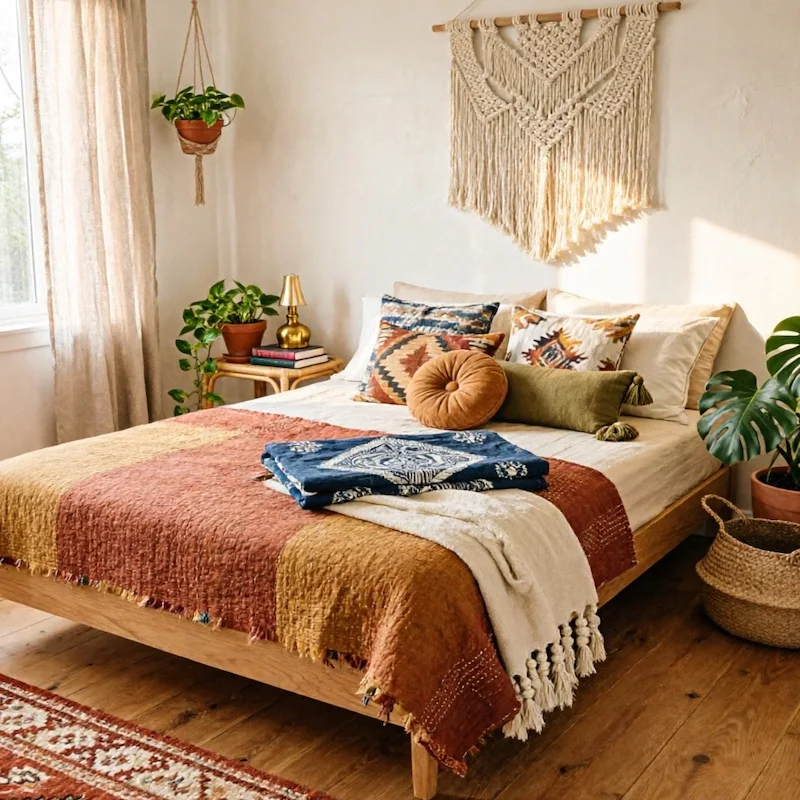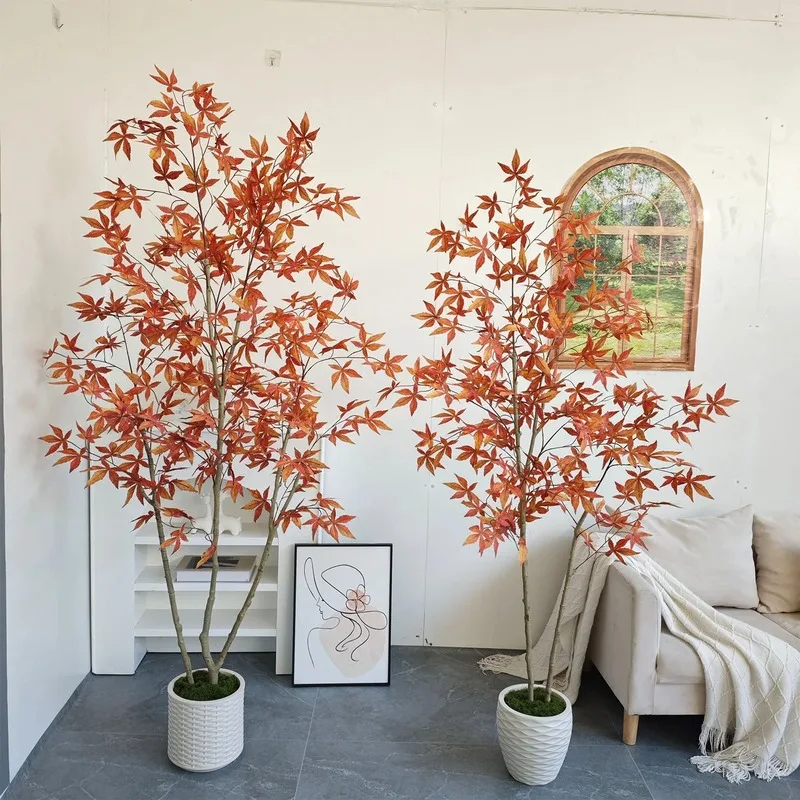
First, start by clarifying the mood you want to create with exotic indoor plants. Do you imagine a lush corner that feels like a jungle retreat, or a polished tropical vibe for entertaining? Then, list a few target species and colors. For instance, big glossy leaves like those on a monstera or philodendron give drama. Meanwhile, tall palms and cascading vines add layers and depth. This planning step keeps choices focused and prevents overcrowding.
Next, assess practical needs before buying. Measure available light, note temperature ranges, and check humidity levels. Also, consider foot traffic and pet access, which affect plant placement. Balance visual goals with these constraints so the plants thrive. In addition, plan for seasonal care because many exotic indoor plants demand more humidity in winter and steady light year-round.
Finally, think about the long-term effect on your space. Grouping sizes and textures creates a believable tropical scene, and combining foliage with natural materials reinforces the theme. Moreover, keep a small budget for a humidifier or grow light if conditions require them. With deliberate planning you will transform a room into a verdant, calming retreat using exotic indoor plants that both look beautiful and stay healthy.
Assess Your Space, Light, and Humidity
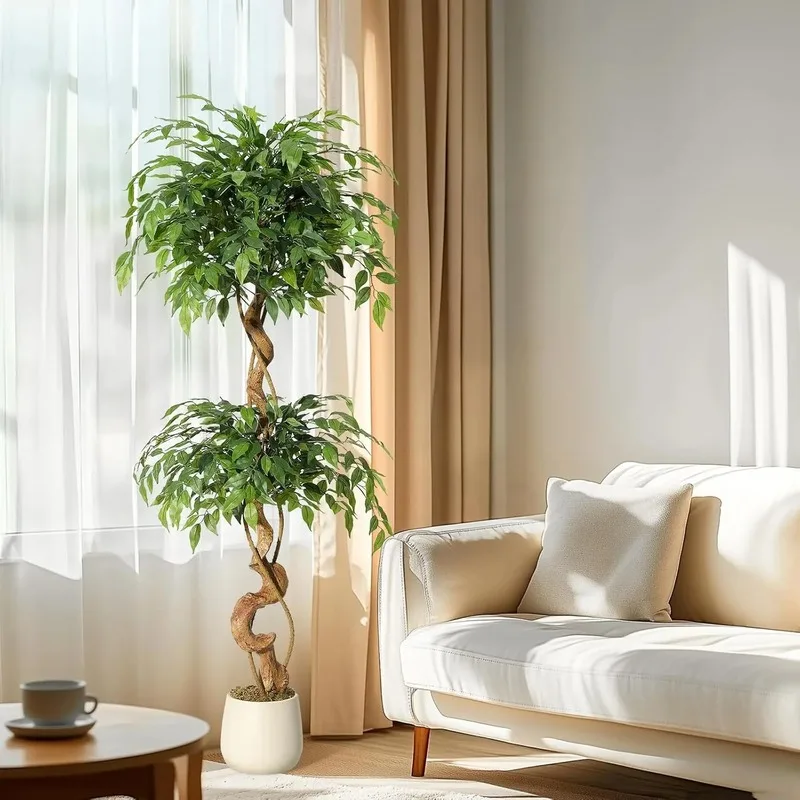
First, map sunlight through the day and note direct versus indirect exposure. Many exotic indoor plants prefer bright, indirect light. For example, plants native to rainforest understories tolerate dappled sun. Consequently, place these plants near east-facing windows or behind sheer curtains to mimic filtered forest light. Also, write down hours of light per window to match plants accurately.
Next, evaluate ambient humidity and temperature patterns. Tropical plants thrive at higher humidity than typical indoor air. Therefore, check for dry winter months in your home. Also, note drafts from vents and seasonal temperature swings that stress plants. Meanwhile, consider a basic humidity gauge and a small humidifier to support orchids or ferns if needed.
Finally, measure floor space and ceiling height to pick appropriate species. Tall palms need vertical room while trailing varieties suit shelves. Moreover, account for future growth; many exotic indoor plants expand rapidly in favorable conditions. By assessing light, humidity, and scale first, you choose plants that look great and minimize frustration from repeated re-potting or relocation.
Choose the Right Species and Groupings
First, select core statement plants that anchor your tropical scheme. Consider a fiddle leaf fig for sculptural leaves or a Kentia palm for graceful height. Also, pick a philodendron or monstera for bold fenestrated foliage that instantly reads “exotic.” These feature plants set the tone and provide focal points in the room.
Next, add supporting plants for texture and scale contrasts. Use trailing pothos, string-of-pearls, or hoyas on shelves to soften edges. Meanwhile, small, dense species like calatheas or prayer plants create a lush understory effect. In addition, include at least one plant with a contrasting color—such as a purple-heart or red-stemmed calathea—to inject richness and depth into the grouping.
Finally, group plants by similar care needs to simplify maintenance. Combine humidity-loving companions together and place drought-tolerant succulents in a separate, sunnier niche. Also, alternate heights and leaf shapes to avoid monotony. With thoughtful species choice and strategic groupings, your exotic indoor plants will form a cohesive, thriving tropical composition.
Plan Placement, Pots, and Styling
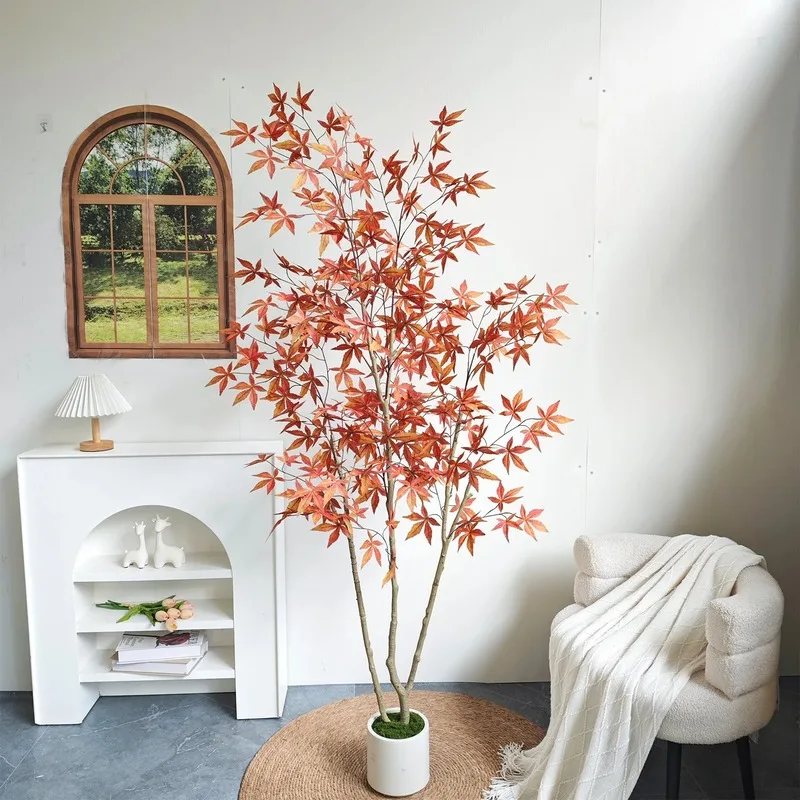
First, choose pots and stands that reinforce the tropical aesthetic. Natural materials like rattan, terracotta, and carved wood pair beautifully with lush foliage. Alternatively, use matte ceramic in neutral tones to make leaf shapes pop. Also, include a tall, narrow planter for palms and a low, wide planter for ground-covering species.
Next, layer plants vertically and horizontally to create a sense of depth. Place taller plants at the rear and mid-height specimens in front. Use hanging planters to bring vines down into eye level, and add a small side table for a clustered trio of small pots. Meanwhile, balance negative space so the arrangement breathes rather than looks crowded.
Finally, add finishing touches like a pebble top layer, moss accents, or a decorative drip tray. These small elements increase humidity near plant bases and hide soil, improving aesthetics. Also, rotate plants periodically to promote even growth and maintain a balanced look. Thoughtful placement and container selection turn exotic indoor plants into integrated, living décor.
Care Routines: Watering, Fertilizing, and Pruning
First, establish a watering schedule suited to each plant’s needs. Tropical plants often prefer moist but well-draining soil. Therefore, water deeply and allow the top inch of soil to dry before the next watering for many species. Conversely, succulents and cacti need far less frequent watering. Use a moisture meter or finger test to avoid overwatering, which causes root rot.
Next, fertilize strategically to encourage lush growth. Use a balanced, water-soluble fertilizer during the growing season and reduce feeding in winter. For leafy tropicals, a formula higher in nitrogen promotes green growth, while for flowering species, select a bloom-promoting mix. Also, flush pots occasionally to remove salt buildup from tap water and fertilizers.
Finally, prune and groom regularly to preserve form and health. Remove yellowing leaves and trim leggy stems to maintain fullness. Repot when roots become crowded, typically every one to three years depending on growth rate. Meanwhile, wipe leaves with a damp cloth to remove dust that blocks light and reduces photosynthesis. Consistent attention keeps exotic indoor plants vigorous and attractive.
Pest Management and Preventing Stress
First, inspect new plants closely before introducing them to your home. Quarantine new additions for two weeks to catch early infestations. Then, check for common pests such as spider mites, scale, and mealybugs. Early detection makes treatment easier and prevents spread to established plants.
Next, use gentle, effective treatments that preserve beneficial microbes. Start with physical removal and mild soapy sprays for light infestations. For persistent pests, apply neem oil or horticultural soap according to label instructions. Also, improve air circulation and adjust humidity because many pests thrive in stagnant, overly dry or overly wet conditions.
Finally, reduce plant stress to lower pest susceptibility. Avoid overwatering and sudden temperature changes. In addition, provide consistent light and feed appropriately. Stressed plants resist pests poorly, whereas healthy specimens tolerate occasional pest pressure and recover quickly. By combining prevention, environmental correction, and measured treatment, you protect your exotic indoor plants and keep your tropical display thriving.
Final Styling Tips and Where to Source Exotic Indoor Plants
First, finish the look with complementary decor that enhances foliage without competing. Add woven baskets, botanical prints, or a small rattan chair to complete the tropical vibe. Also, use rugs and cushions in natural hues and leafy patterns to tie the room together. In addition, position a floor mirror to amplify light and reflect foliage, making the space appear even lusher.
Next, source healthy plants from reputable nurseries and local growers. Visit specialty stores where staff can advise on species and care. Alternatively, check plant swaps, botanical gardens, and online sellers who provide clear descriptions and return policies. Inspect roots and leaves before purchase and ask about the plant’s exact light and humidity needs.
Finally, remember that exotic indoor plants perform best with patience and steady care. Start with a few resilient species and expand your collection as you gain confidence. Meanwhile, keep experimenting with arrangements and accessories to refine your tropical atmosphere. By choosing the right plants, grouping them thoughtfully, and maintaining healthy routines, you will create a lasting exotic retreat that brightens your home and uplifts your daily life.