The Allure of the Arch – More Than Just a Fad
The eyebrow piercing. Instantly recognizable, undeniably bold, yet surprisingly versatile. Once a symbol of punk and goth subcultures, it has gracefully evolved into a mainstream fashion statement embraced by diverse individuals seeking a touch of edgy elegance or a sculptural accent to their features. Unlike ear piercings, which can be numerous and layered, an eyebrow piercing is a singular, focused statement. It draws the eye (literally) to the face's upper quadrant, framing the eyes and adding a unique dimension to your overall look. But the true magic, the element that transforms a simple hole into a personalized piece of wearable art, lies entirely in the jewelry.
Choosing the right piece isn't just about aesthetics; it's crucial for comfort, healing, and the longevity of both the piercing and your style. This isn't just a trend you get; it's a statement you wear, and the jewelry is the voice of that statement. Understanding the world of eyebrow piercing jewelry is the first step to making it uniquely, confidently, and safely yours.
The Core Contenders – Decoding the Jewelry Styles
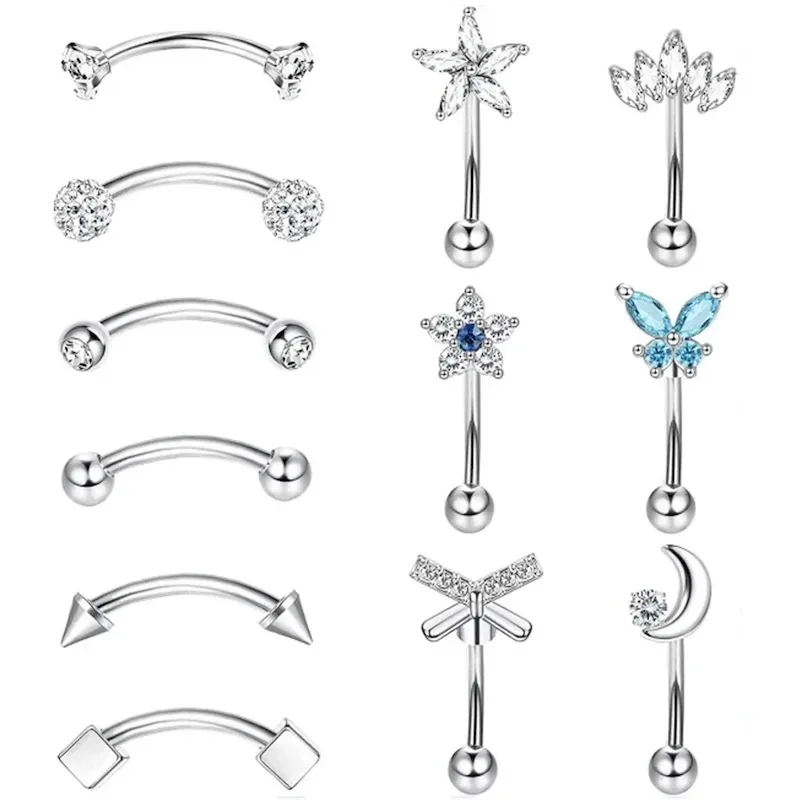
Eyebrow piercing jewelry isn't one-size-fits-all. The shape and structure of the jewelry significantly impact the final look and practicality. Here are the primary styles you'll encounter:
- The Straight Barbell: The absolute workhorse of eyebrow jewelry. A straight bar with two balls (or other ends) screwed on. It creates a clean, linear line across the brow. Pros: Simple, versatile, easy to clean, widely available in various lengths and materials. Cons: Can sometimes catch on hair or clothing; the balls can irritate if too large or the bar too long.
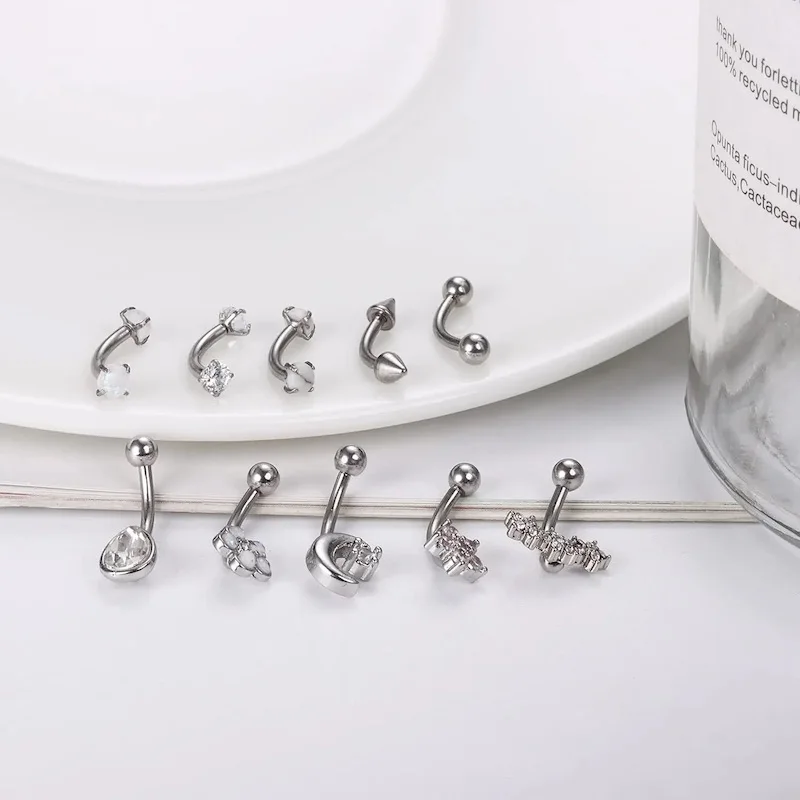
- The Curved Barbell (C-Bend): A bar pre-bent into a gentle curve. This is often the most recommended style for initial piercings. Pros: Conforms better to the natural curve of the eyebrow bone, reducing movement and irritation, crucial for healing. Looks very natural. Cons: Slightly harder to find in all materials/sizes than straight bars; the curve might not suit every brow shape perfectly.
- The Stud (Labret): Technically a short barbell with a flat back disc instead of a ball. While sometimes used for surface piercings, a true labret stud is generally not ideal for most standard eyebrow piercings. Why? The flat back can press against the skin, potentially causing more irritation or migration on the curved brow bone compared to a curved barbell. They are more common for vertical "brow" piercings or specific placements where the angle is very shallow.
- The Circular Barbell (Horseshoe): A circular ring with two balls. Pros: Creates a softer, less geometric look. Cons: Strongly discouraged for initial piercings or healing. The circular shape doesn't conform to the brow, causing excessive movement, potential snagging, and significantly higher risk of migration or rejection. Often used only for healed piercings in very specific placements by experienced wearers, but not recommended for beginners.
Your piercer will almost always start you with a curved barbell made of high-quality implant-grade material. This is non-negotiable for safe healing.
Material Matters – Safety is Paramount
The material of your eyebrow piercing jewelry is arguably more critical than the style. Your skin is healing around it for weeks to months. Cheap, reactive metals will cause inflammation, prolonged healing, discharge, and potentially rejection. Here’s what you need to know:
- Implant-Grade Titanium (ASTM F136 or ISO 5832-3): The GOLD STANDARD for initial piercings and long-term wear. Hypoallergenic, highly biocompatible, extremely strong, lightweight, and resistant to corrosion and body fluids. It’s the safest choice for sensitive skin and the healing process. Anodized titanium (colored) is also safe, as the color is a surface oxide layer.
- Surgical-Grade Stainless Steel (316LVM): A common and generally safe option for healed piercings. Look for true surgical steel (316LVM) – not "surgical steel" used in cheap fashion jewelry. It’s durable and affordable but can contain trace nickel, which might irritate highly sensitive individuals over time. Best suited for healed piercings, not always the first choice for initial healing.
- Solid 14k or 18k Gold (Niobium, Platinum): High-karat gold (14k+) is generally safe for healed piercings but must be nickel-free. It’s expensive and softer than titanium, making it prone to bending or scratching. Crucially: Never use gold for an initial piercing. The manufacturing process often introduces nickel, and the softness can impede healing. Niobium and Platinum are excellent hypoallergenic options but are very expensive and less common for eyebrow jewelry.
AVOID: Cheap "surgical steel" (often nickel-plated), brass, copper, aluminum, and any jewelry not explicitly labeled as implant-grade titanium or high-quality surgical steel. Nickel is the most common culprit for allergic reactions.
Sizing & Anatomy – The Precision Fit
Eyebrow piercing jewelry sizing is deceptively complex. It’s not just about the bar length; the curve, angle, and placement are critical. Never guess the size. Your professional piercer measures and selects the precise jewelry based on:
- The Thickness of Your Eyebrow: How much tissue needs to be spanned.
- The Angle of the Pierce: A vertical brow needs a different curve/length than a horizontal one.
- The Curve of Your Brow Bone: This dictates whether a straight or curved bar is appropriate and the degree of curve needed.
- The Placement: Near the inner or outer corner affects the required length and curve.
Using jewelry that's too long causes excessive movement, snagging, and irritation. Jewelry that's too short will compress the piercing, cutting off blood flow, causing pain, swelling, and dramatically increasing the risk of rejection. The balls should sit just outside the piercing channel without pressing into the skin. The initial jewelry is chosen specifically for your anatomy and healing needs. Changing to a different size or style before the piercing is fully healed (typically 6-12 weeks, but only with piercer approval) is a major risk. Let the professional guide you on timing and sizing for changes.
Beyond Healing – Care, Changes, and Long-Term Wear
Once healed (and only when your piercer confirms it!), the world of eyebrow jewelry opens up for stylistic changes. However, care remains essential:
- Changing Jewelry: Never do this alone the first time. Take it to your professional piercer. They ensure the new piece is the correct size and style, minimizing trauma to the healed fistula (the tunnel). Improper changing can cause tearing or even lead to rejection. After the initial healing, you might be able to change it yourself if you are confident and gentle, but professional changes are always safest.
- Ongoing Aftercare (Even Healed): Clean your jewelry regularly! Remove it (when safe to do so), wash it with mild, fragrance-free soap and warm water, rinse thoroughly, and dry completely before reinserting. This prevents buildup of oils, dead skin cells, and bacteria that can cause irritation or infection, even in a healed piercing. Avoid harsh chemicals or alcohol on the jewelry.
- Monitoring: Pay attention to your piercing. Redness, swelling, unusual discharge, or pain after the healing period can signal a problem – often related to the jewelry (wrong size, material reaction, buildup). Don't ignore it; consult your piercer.
Styling Your Statement – From Subtle to Sculptural
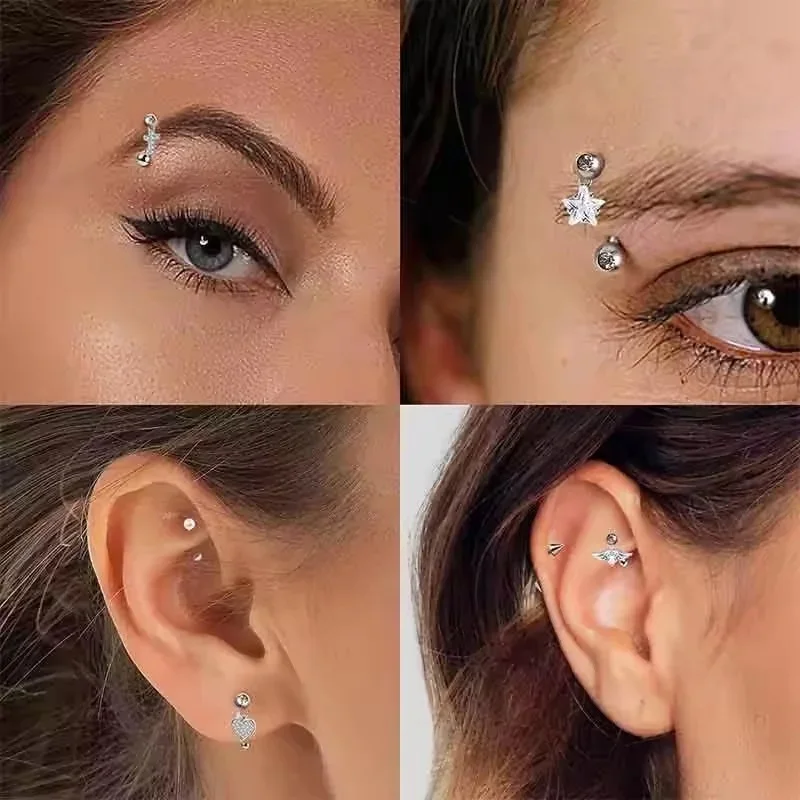
This is where the fun begins! Once healed and with properly fitted jewelry, eyebrow piercings offer incredible versatility:
- The Minimalist: Stick with a tiny, high-polish titanium curved barbell. Almost invisible unless you look closely, offering a whisper of edge. Perfect for professional settings.
- The Classic Statement: A slightly longer curved barbell with simple, polished balls (titanium or stainless steel) creates a clean, defined line that enhances the brow shape.
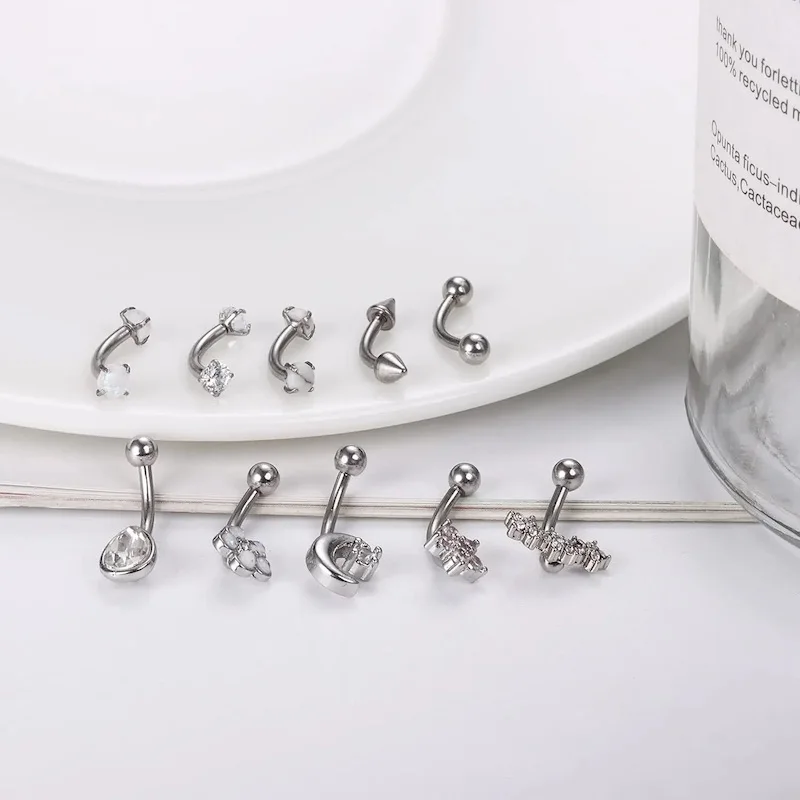
- The Textured Touch: Explore barbells with unique end designs – tiny spikes, geometric shapes, or subtle textures on the balls. Adds interest without overwhelming.
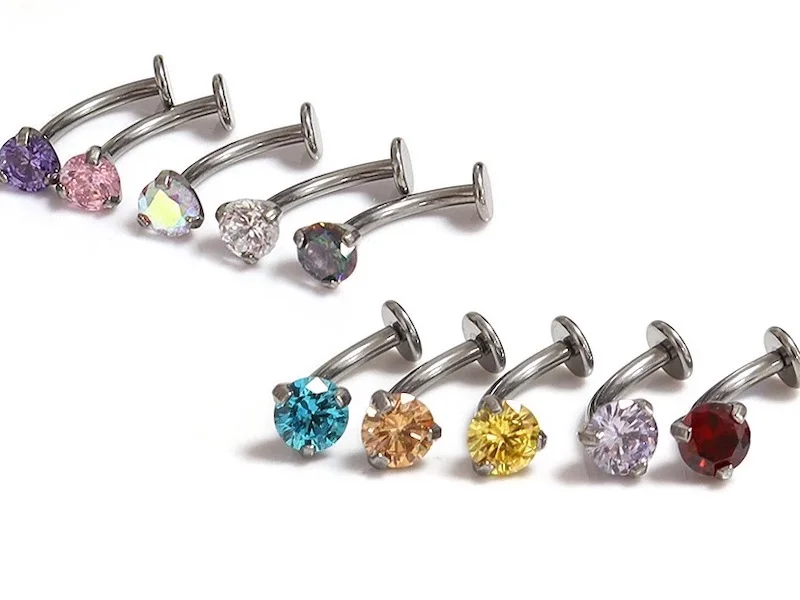
- The Pop of Color: Anodized titanium curved barbells offer a vast palette of colors that won't fade or chip. Choose a hue that complements your eye color or personal style.
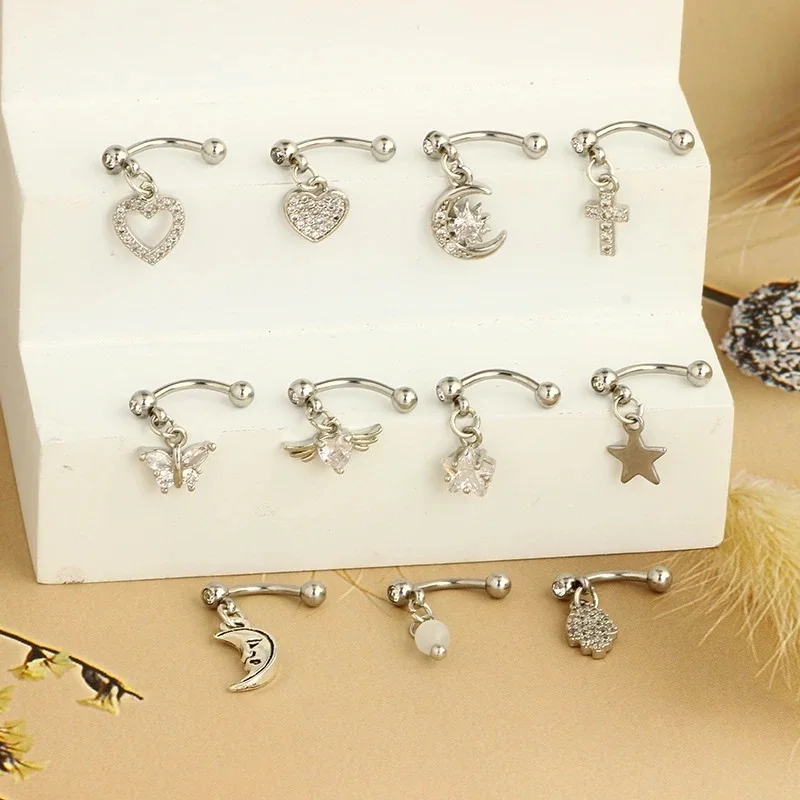
- The Artistic Accent: Once fully healed and with piercer guidance, consider higher-end options like delicate gemstone ends or custom-shaped bars. Crucially: Gems must be set securely and made from biocompatible materials. Avoid anything overly heavy or large that could pull on the piercing.
- Placement Play: While the classic horizontal brow is most common, vertical "brow" piercings (through the brow itself) or even "third eye" placements offer different aesthetic options, each requiring specific jewelry styles.
The Final Word
Your eyebrow piercing jewelry is a personal canvas. The jewelry is the brushstroke that defines it. Choosing the right style, material, and size isn't about following a trend; it's about respecting the healing process, prioritizing your skin's health, and ultimately, expressing your unique identity with confidence. Invest in high-quality, professional-grade jewelry from the start, trust the expertise of your piercer for sizing and changes, and commit to proper care. By understanding the world of eyebrow piercing jewelry, you transform a bold choice into a timeless, safe, and truly personalized statement that enhances your features and reflects your individual spirit. It’s not just jewelry; it’s an integral part of the art you wear on your face. Choose wisely, care diligently, and own your look.