Why This One Belt Matters More Than You Think
Most people don’t put much thought into belts. They’re often an afterthought—grab something cheap that keeps your pants up and forget about it. But a full grain leather belt is different. It’s not just a strap with a buckle; it’s a piece of craftsmanship that can outlast multiple pairs of jeans, business trousers, and even entire fashion cycles. When chosen well, it becomes a quiet anchor to your wardrobe—reliable, good-looking, and better with age.
The appeal of a full grain belt lies in how it bridges practicality and style. It holds everything in place, withstands daily wear, and still manages to look sharper over time instead of falling apart. For anyone tired of cracked faux leather and peeling “genuine leather” belts that give out after a year, understanding what full grain leather really is—and why it matters—is the first step toward owning a belt you don’t have to keep replacing.
What “Full Grain” Really Means
The Truth Behind Leather Grades
Leather labels can be confusing and, frankly, a bit misleading. Sellers throw around terms like “genuine,” “top grain,” and “bonded” as if they all mean “good quality,” when in reality they sit on very different rungs of the quality ladder. Full grain leather is at the top.
Here’s how it breaks down:
Full grain leather
- Taken from the very top layer of the hide
- Keeps the natural grain, pores, and imperfections
- Not sanded or heavily corrected
- Strongest, densest, most durable part of the hide
Top grain leather
- Also from the top layer, but sanded/buffed to remove marks
- More uniform-looking but slightly weaker
- Still decent quality, but not as tough as full grain
Genuine leather
- A catch-all for “it’s technically leather”
- Often made from lower layers or a mix of scraps
- Frequently coated or embossed to mimic higher-grade leather
- Much less durable
Bonded leather
- Essentially leather dust and scraps glued together with a binder
- Very cheap, very weak, prone to peeling and cracking
Full grain leather is the least processed, most “honest” form of leather. You’ll see tiny scars, grain variations, and character. That uniqueness isn’t a defect—it’s evidence you’re getting the strongest section of the hide, not a heavily corrected surface trying to pretend.
Why That Matters for a Belt
Belts are subjected to repeated bending, tension, and friction. Every notch hole you use is a stress point. Inferior leather starts stretching, cracking, and delaminating around those holes. Full grain leather, by contrast, has tighter fibers and more integrity, meaning:
- The belt holds its shape instead of warping into a wavy mess
- The holes don’t elongate as quickly
- The surface develops a patina instead of peeling
In other words, the very part of the hide that brands sometimes view as “imperfect” because of natural markings is exactly the part you want around your waist if longevity is a priority.
The Beauty of a Belt That Ages With You
Patina: The Story Your Belt Tells Over Time
One of the quiet joys of owning a full grain leather belt is watching it age. Unlike synthetic materials—or cheap leather coated with plastic—full grain leather doesn’t just wear out; it evolves. This evolution is called patina.
As you wear the belt, oils from your hands, friction from movement, sunlight, and even the way you store it all leave subtle marks. Over months and years, the leather:
- Deepens in color
- Develops a soft sheen where it flexes and rubs
- Shows character in creases and edges
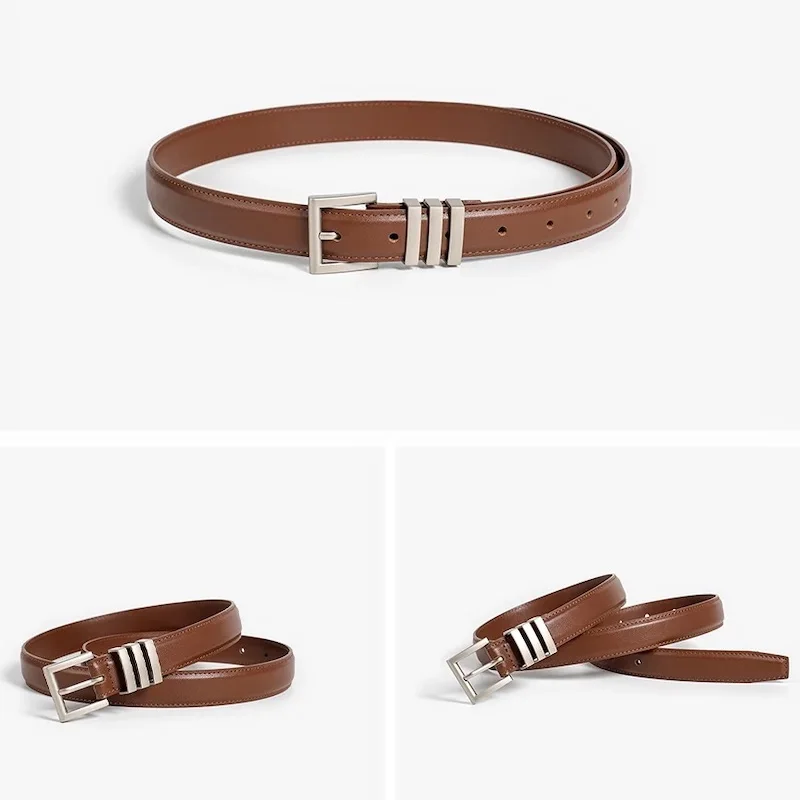
A light tan belt might slowly turn a rich caramel. A dark brown belt might gain warmth and depth, with slightly lighter edges and darker areas around the buckle. Instead of looking old and tired, a well-used full grain belt looks lived-in and tailored to you.
From Casual Jeans to Formal Wear
Because of this aging process—and the inherent quality of the material—full grain leather belts tend to be surprisingly versatile. A simple, clean design can cross style boundaries easily:
- With jeans and chinos
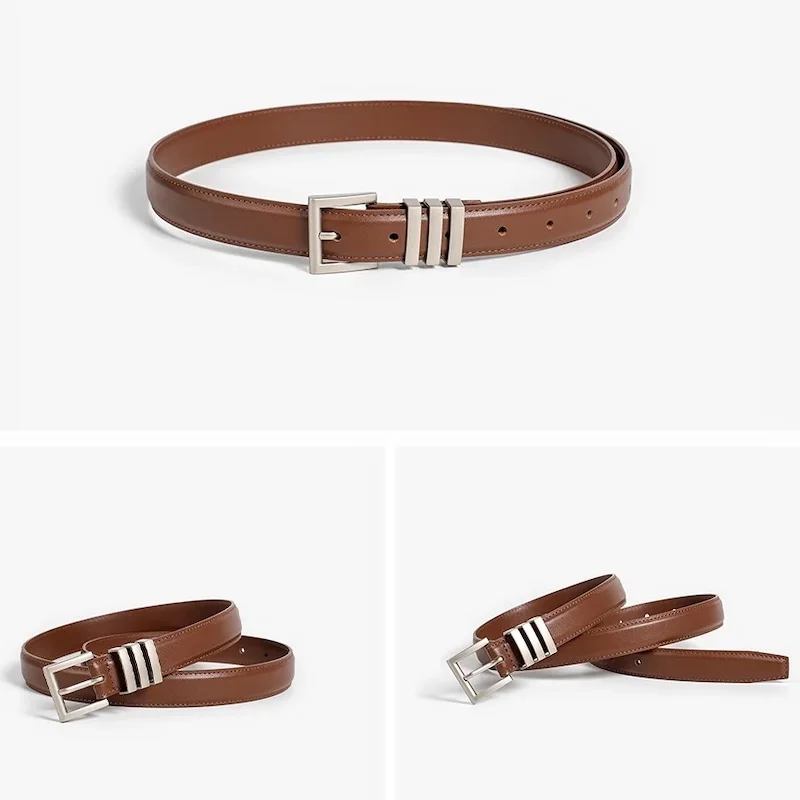
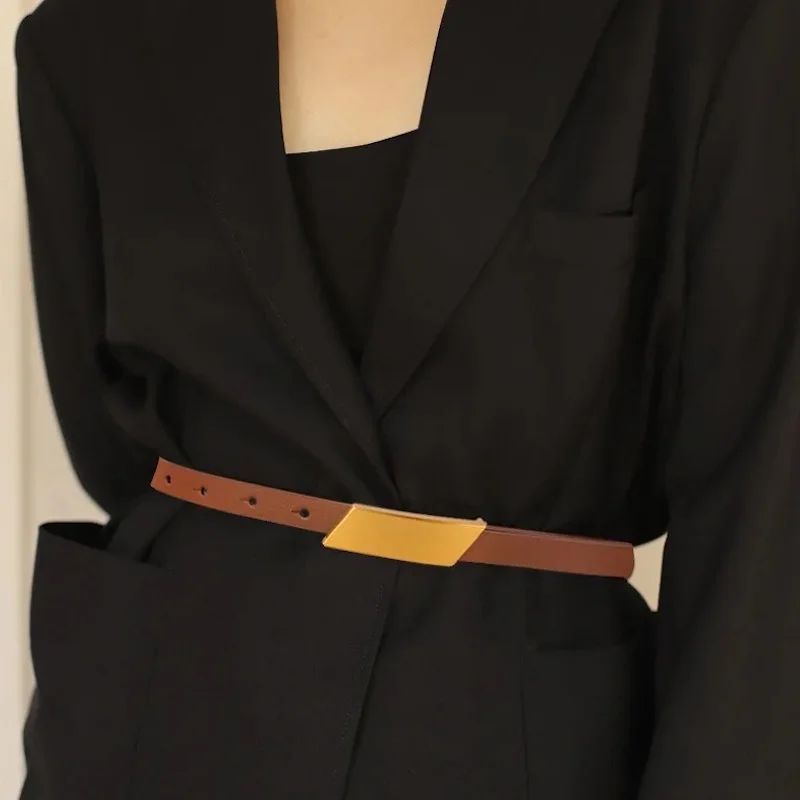
A thicker, slightly wider belt (around 1.5 inches) in brown or tan, with a solid brass or stainless steel buckle, pairs effortlessly with casual outfits. As it ages, the patina complements broken-in denim and boots. - With dress trousers and suits
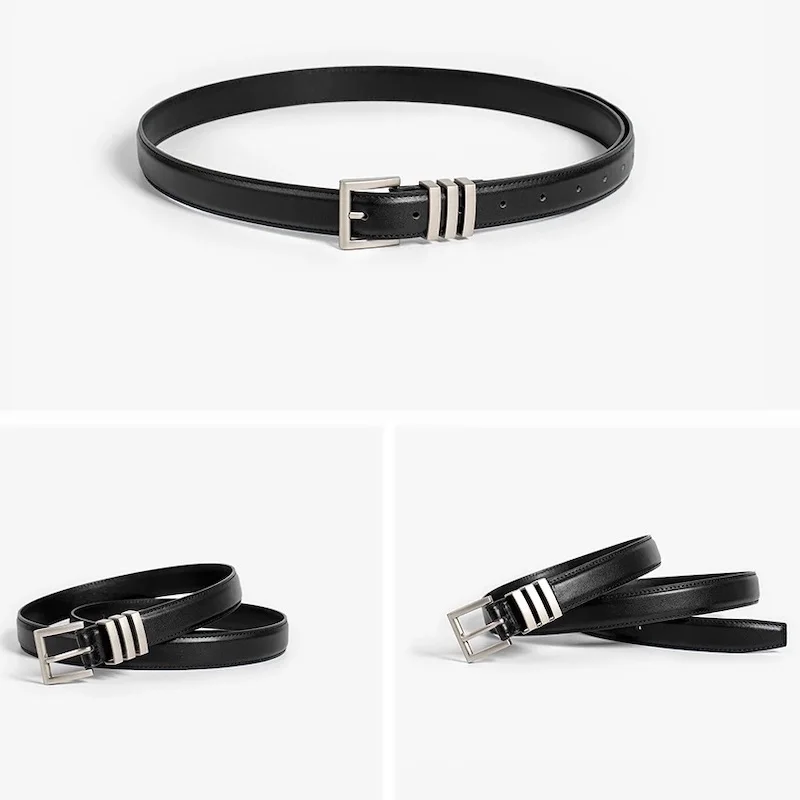
A slightly slimmer belt (around 1.25–1.3 inches), in black or a deep brown, with a refined buckle, works seamlessly in more formal settings. The subtle sheen of full grain leather adds quiet sophistication without screaming for attention.
Instead of owning multiple low-quality belts for different occasions, one or two well-chosen full grain belts can cover most of your wardrobe, both functionally and stylistically.
Choosing the Right Full Grain Leather Belt
What to Look for Before You Buy
Not every belt labeled “full grain” delivers the same experience. Marketing can be generous; quality, less so. When evaluating a belt, pay attention to the details:
- Single, solid leather strap
A high-quality belt is usually made from one thick strip of leather, not layers glued together. Check the edge—can you see a single piece, or multiple layers? - Thickness and feel
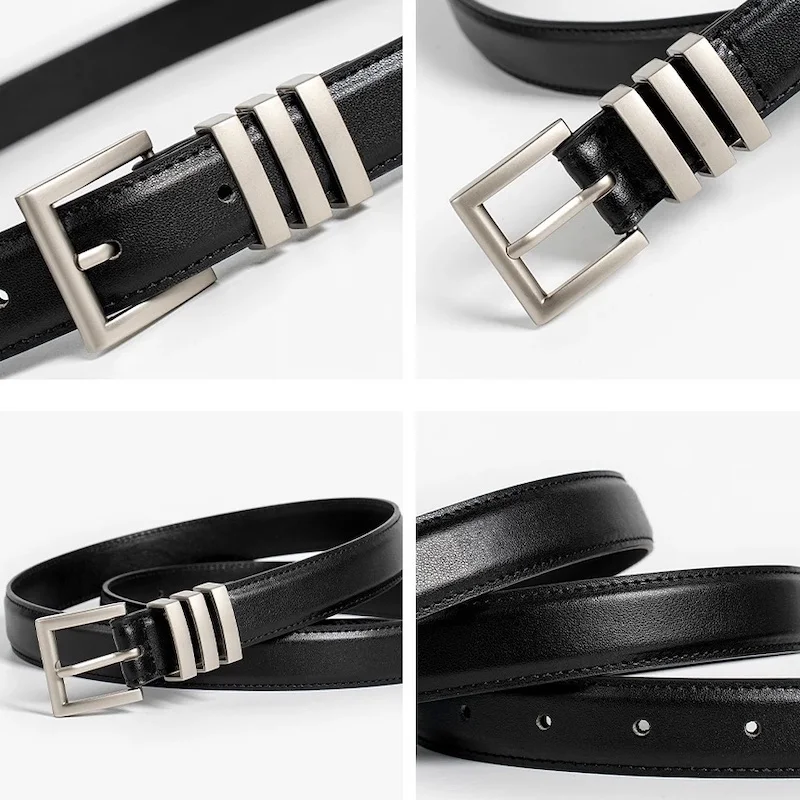
The belt should feel substantial, not flimsy. Around 3.5–4.5 mm thickness is common for a good everyday belt. It should be firm but not rigid like cardboard. - Natural back side
Flip it over. The underside should look like suede or natural flesh side, not a fabric or artificial lining. A lined belt isn’t automatically bad, but all-leather construction is a good sign. - Stitching and hardware
Stitching (if present) should be even, tight, and clean. The buckle should be metal—ideally solid brass, stainless steel, or similarly durable metal—attached with sturdy rivets or Chicago screws (which can be replaced if needed). - Clear labeling
Honest makers usually state “full grain leather,” sometimes along with the tannery or country of origin. Vague labels like “genuine leather” or just “real leather” are red flags if you’re specifically shopping for full grain.
If you can handle the belt in person, gently bend it. It should flex naturally without feeling brittle or showing surface cracking. If shopping online, look for close-up photos of the edges and the back side, plus clear material descriptions.
Getting Sizing, Color, and Style Right
A full grain belt can last years, so it’s worth taking a moment to choose thoughtfully:
Size
Most belts are sized 2–3 inches up from your actual pants size. If you wear a 34” waist, a 36” belt is usually right—but check each brand’s sizing guide. Ideally, your most-used hole should be the middle one, leaving adjustment room in both directions.
Color
Start with the basics:
- Dark brown for maximum versatility
- Black if you wear black shoes or more formal outfits
- Tan or natural for casual wardrobes and denim-heavy looks
Matching belt color roughly to your shoes is a classic menswear guideline, especially in formal settings.
Buckle style
- Simple frame or prong buckles work for almost everything
- Silver-tone metals pair well with cooler colors and most modern wardrobes
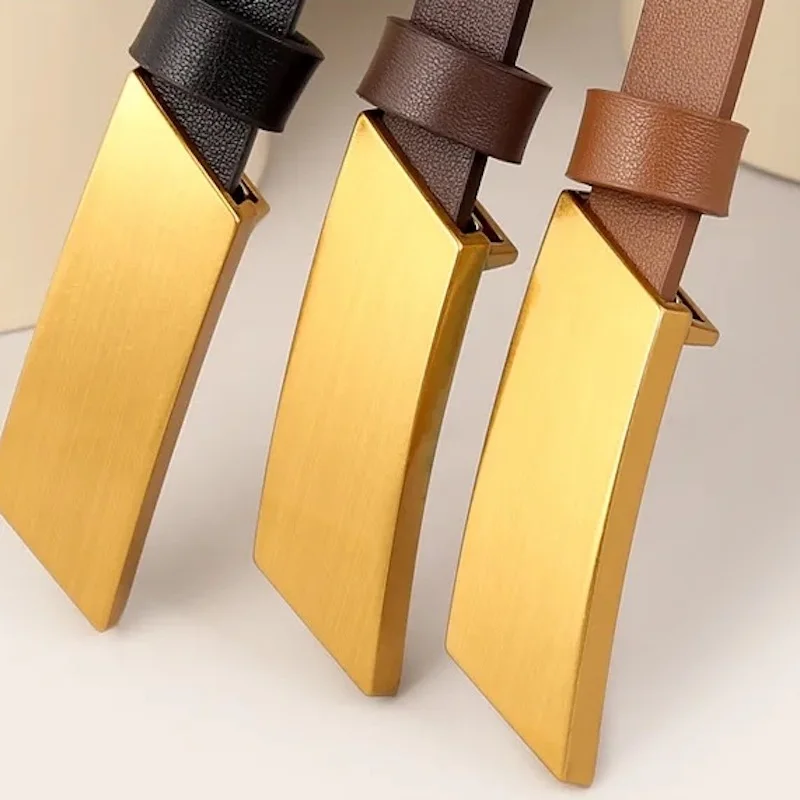
- Brass tones suit earthy palettes and heritage/“rugged” aesthetics
Resist oversized, overly decorative buckles unless that’s a specific style statement you want. Simple tends to age better—both in terms of taste and durability.
Caring for a Belt You Plan to Keep
A full grain leather belt is low maintenance, but not no maintenance. A bit of care can dramatically extend its life and preserve its appearance.
Basic care principles:
- Rotate when possible
If you own more than one belt, don’t wear the same one every single day. Giving leather time to breathe and rest helps it recover from constant bending and moisture. - Avoid soaking and extreme heat
If your belt gets wet, let it dry naturally at room temperature. Never use a hairdryer or place it on a radiator; rapid drying can cause stiffness and cracking. - Condition occasionally
Every few months—or when the leather starts to look dry—apply a small amount of quality leather conditioner. Use sparingly; too much can make the belt overly soft. Wipe off excess and let it absorb fully before wearing. - Store it properly
Hang the belt or roll it loosely. Avoid sharp folds, which can create permanent creases and weaken fibers.
Handled this way, a full grain leather belt can easily last many years. You’re not just buying a utility item; you’re investing in something that will quietly do its job day after day, improving in character as it goes.
A full grain leather belt is deceptively simple. No tech, no trend, no gimmicks—just a well-cut strip of high-quality leather and a solid buckle. Yet that simplicity is exactly why it works so well, for so long. In a world where so many products are designed to be disposable, choosing a belt that’s built to age rather than fail is a small, tangible step toward a more thoughtful wardrobe. And once you’ve felt the difference and watched it develop a patina that’s uniquely yours, it’s hard to go back to anything less.