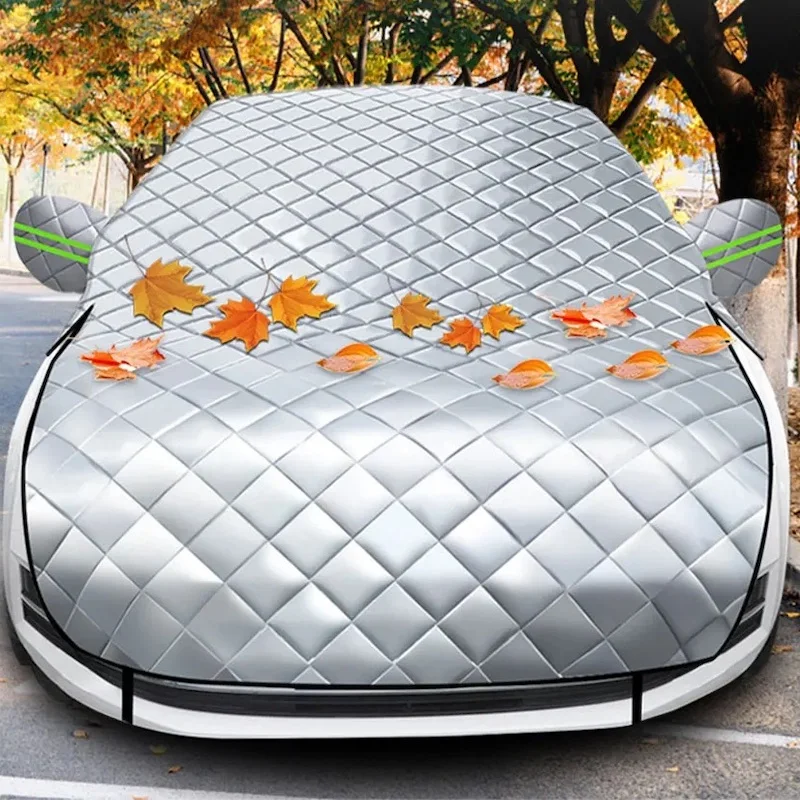
The sky darkens. The first thunk hits your roof. Then another. And another. Within minutes, your street transforms into a battlefield of pinging ice, leaving dented hoods, shattered windshields, and a collective sigh of financial dread. You sprint outside, heart pounding—and freeze. Your car stands unscathed. No dents. No cracks. Just the steady plink of hail bouncing harmlessly off a sleek, taut cover. Meanwhile, your neighbor’s identical model is a crumpled, glass-strewn disaster zone. How? It wasn’t luck. It was a deliberate, science-backed shield you invested in while others prayed for the storm to pass.
Yet, for less than the deductible on a single claim, you can own an impenetrable fortress for your vehicle. This isn’t about "hoping" your car survives the next storm—it’s about guaranteeing it does. Stop treating hail protection as an afterthought. Your car’s survival hinges on one non-negotiable choice: the hail-proof car cover you choose today. Let’s expose why ordinary covers fail and how true hail-proofing transforms vulnerability into invincibility.
The Science of Impact: Why Ordinary Covers Shatter Under Pressure
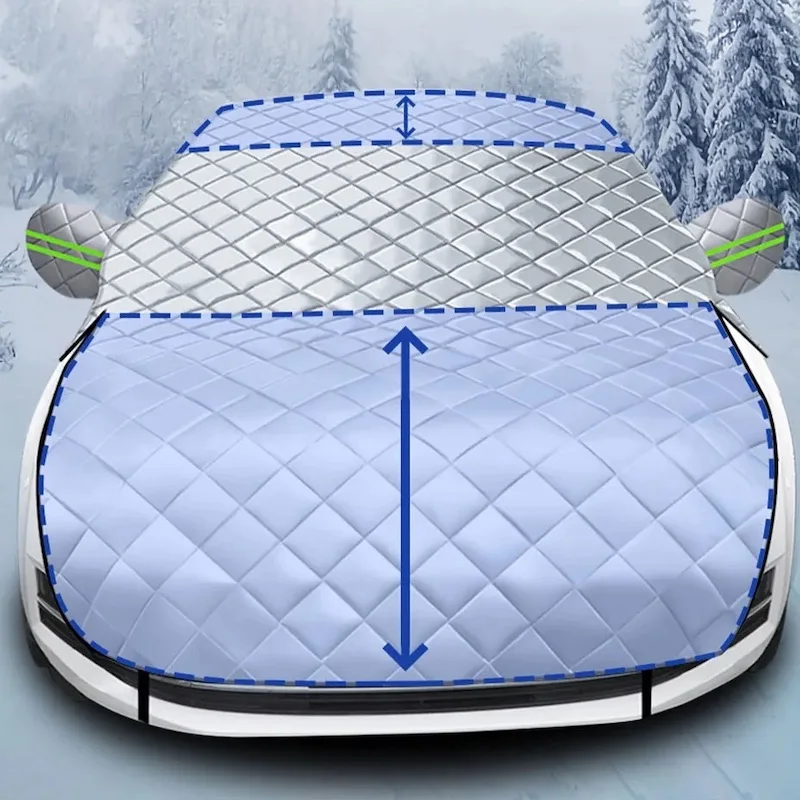
Most "waterproof" or "all-weather" car covers are disastrously inadequate against hail. They’re designed to repel rain or block UV, not absorb kinetic energy. When a hailstone traveling 50+ mph strikes a thin, single-layer cover (often just 100-200 denier polyester), the force transfers directly to your paint and body panels—just like it would without any cover. Think of it as a drum: the thin fabric vibrates violently, amplifying the impact. True hail-proofing requires multi-layer engineering.
The core is a high-density foam or non-woven batting layer (10-30mm thick) sandwiched between UV-resistant outer and inner fabrics. This middle layer acts like a trampoline, absorbing and dissipating the hailstone’s energy across a wider area. The outer layer (typically 500+ denier polyester or reinforced nylon) must be abrasion-resistant to withstand the ice’s impact without tearing. Without this layered shock absorption, any cover is merely a psychological comfort—a flimsy curtain between you and catastrophe. This isn’t weather resistance; it’s ballistic-grade defense engineered for the physics of falling ice.
Beyond Thickness: The 3 Non-Negotiables of True Hail Proofing
Thickness alone won’t save your car. The devil is in the specifics of construction. First, material density matters more than weight. A dense, tightly woven fabric with high thread count (e.g., 600D Oxford) prevents hailstones from puncturing or "sinking in" to contact the car. Second, seam integrity is critical. Look for covers with reinforced, taped, or waterproof seams—not just stitched ones. Hail impacts concentrate stress at seams; weak stitching rips, creating entry points for damage. Third, secure anchoring is non-negotiable. A cover that flaps violently in wind increases damage risk, as the fabric itself slaps against the car like a whip.
The true hail-proof car cover includes heavy-duty elastic hems, reinforced grommets, and multiple tie-down points (12+ for full-size vehicles) with sturdy straps and buckles. They must fit tightly across the entire vehicle, eliminating gaps where hail can slip through or wind can lift the cover. This trifecta—dense fabric, reinforced seams, and military-grade anchoring—separates genuine protection from dangerous illusions. If it doesn’t meet all three, it’s not hail-proof—it’s a liability.
Precision Fit: The Hidden Factor That Makes or Breaks Protection
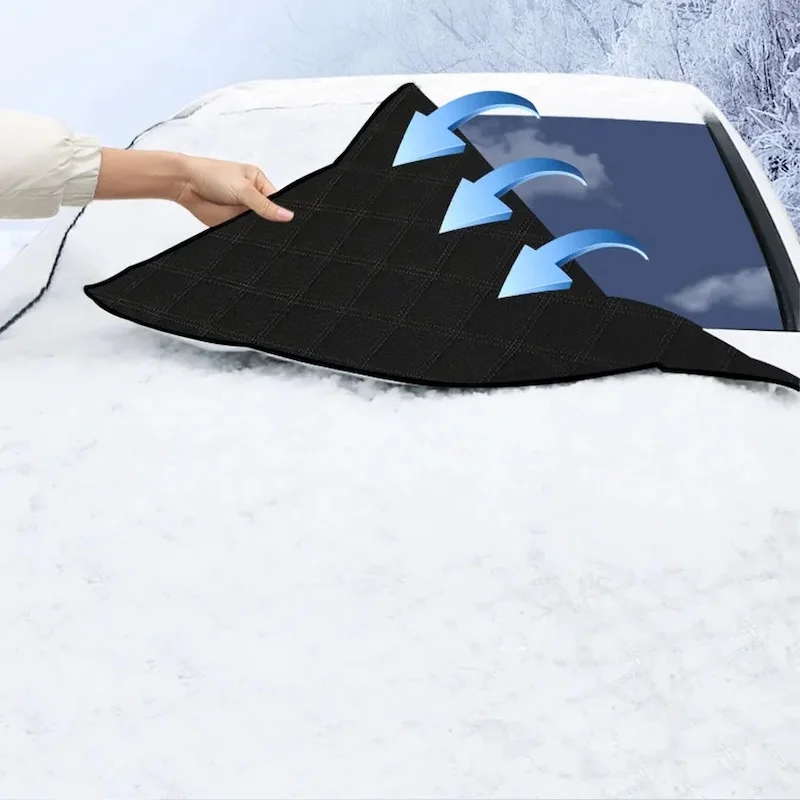
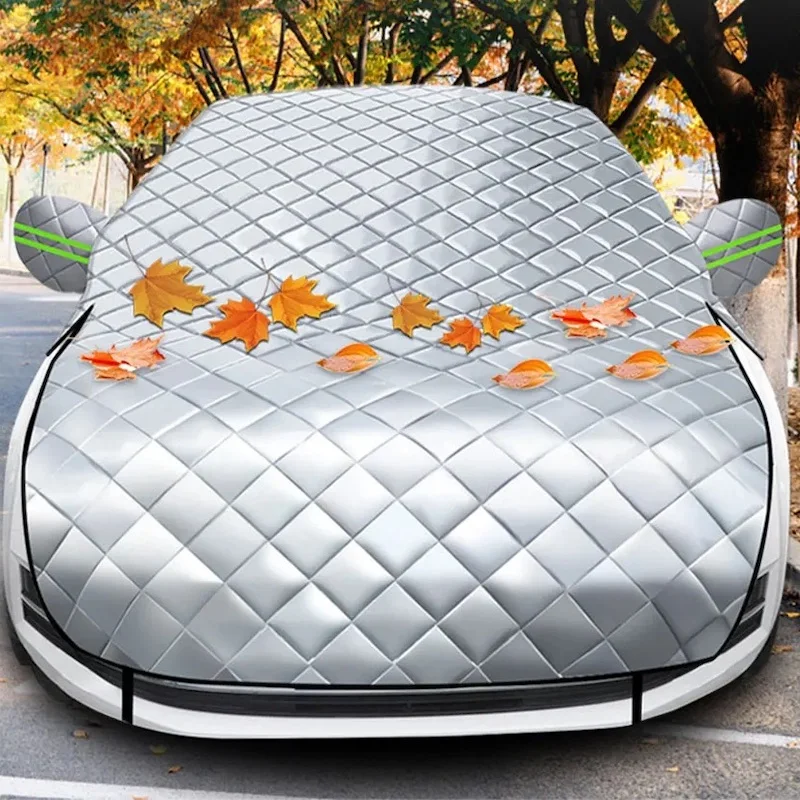
A hail-proof car cover must be tailored like a suit, not draped like a blanket. Why? Hail strikes with pinpoint precision. Gaps around mirrors, antennas, or wheel wells are fatal vulnerabilities. Even a 1-inch gap can allow hail to bypass the cover entirely, denting your fender or cracking glass. Worse, loose fabric creates "flapping zones" where wind whips the cover against the body, causing friction damage or exposing panels. The solution? Model-specific patterns.
Reputable hail cover brands use exact CAD data or physical molds of specific vehicles to create precision-cut covers with custom cutouts for side mirrors, spoilers, and roof rails. A perfect fit means the cover lies flat against every contour—from the windshield cowl to the rear bumper—held securely by elasticized edges and strategic tie-downs. Measure your car’s dimensions meticulously and verify the cover’s compatibility before buying. A universal "one-size-fits-all" cover might save $20 upfront but guarantees catastrophic failure when you need it most. In hail defense, sloppiness equals damage.
The Unseen Perks: Why Hail Proofing Pays for Itself Year-Round
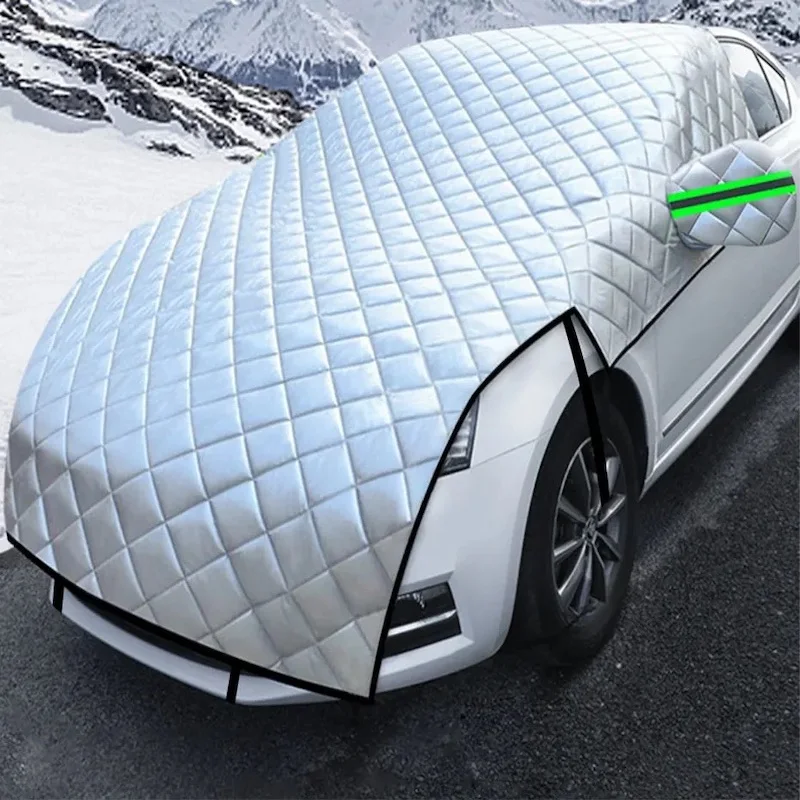
A true hail-proof cover is a 365-day investment, not just a seasonal emergency tool. Its dense, multi-layer construction delivers critical year-round benefits:
- UV Annihilation: Blocks 99% of harmful UV rays, preventing paint fading, interior cracking, and dashboard degradation—adding years to your car’s life and resale value.
- Temperature Regulation: The insulating foam layer reduces interior heat buildup by 30-40°F on hot days, protecting upholstery and electronics while cutting AC reliance.
- Debris Defense: Shields against bird droppings (which etch paint), tree sap, pollen, and road grime that demand constant washing and detailing.
- Theft Deterrence: A fully covered car appears "unoccupied" and well-maintained, signaling to thieves that the owner is vigilant.
This isn’t just hail armor—it’s a holistic preservation system. While the neighbor’s car battles sun damage, bird stains, and fading all summer, yours remains pristine under its invisible shield. The cover works while you sleep, commute, or travel, delivering relentless, silent protection. It transforms car ownership from reactive damage control to proactive stewardship.
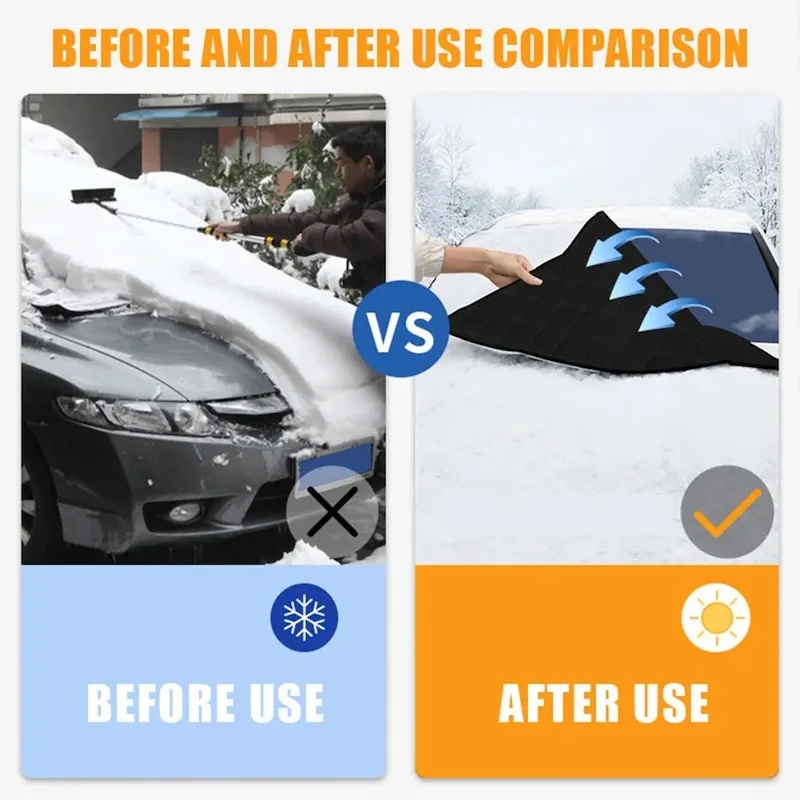
The Real ROI: How 300 Saves You 5,000 (and Your Sanity)
Let’s cut through the noise: A premium hail-proof car cover costs 250−500. A single hail dent repair? 150−800 per dent. A shattered windshield? 300−1,200. Major bodywork? $3,000+. Now, consider the hidden costs:
- Insurance premiums surge after a hail claim, often by 20-40% for 3+ years.
- Resale value plummets—a hail-damaged car can lose 10-25% of its value, even after repairs.
- Time and stress of coordinating repairs, rental cars, and insurance battles.
A $400 cover isn’t an expense—it’s the cheapest insurance you’ll ever buy. It eliminates deductibles, premium hikes, and the trauma of seeing your car mangled. For less than a tank of gas, you guarantee your vehicle emerges from a storm unscathed while others face weeks of repair limbo. Factor in the year-round UV and debris protection preserving your paint and interior, and the ROI becomes undeniable. This is rational financial defense, not optional luxury. The math isn’t close: one storm without a cover can cost you more than a decade of hail-proof car cover investments.
Your Car’s Legacy: Protection That Outlasts the Storm
Your car is more than metal and glass—it’s a repository of memories, a symbol of your hard work, and a daily companion on life’s journey. How you protect it reflects how you honor that journey. A hail-proof car cover isn’t just a piece of fabric; it’s a daily commitment to preservation. It says you refuse to be a victim of the elements. You choose proactive control over helpless resignation. When you invest in precision-engineered protection, you’re not just saving money—you’re preserving the integrity of every mile you’ve driven and every mile to come.
Years from now, when you hand the keys to your child or sell the car with a flawless finish, you’ll know why: you built a legacy of care. In a world of disposable everything, this is conscious ownership. So, as the sky darkens and the first hailstone falls, ask yourself: Will your car be the one that survives? The answer isn’t luck. It’s the hail-proof car cover you choose before the storm hits. Protect your legacy. Secure your peace of mind. Your car’s unscathed reflection in the next downpour depends on it.