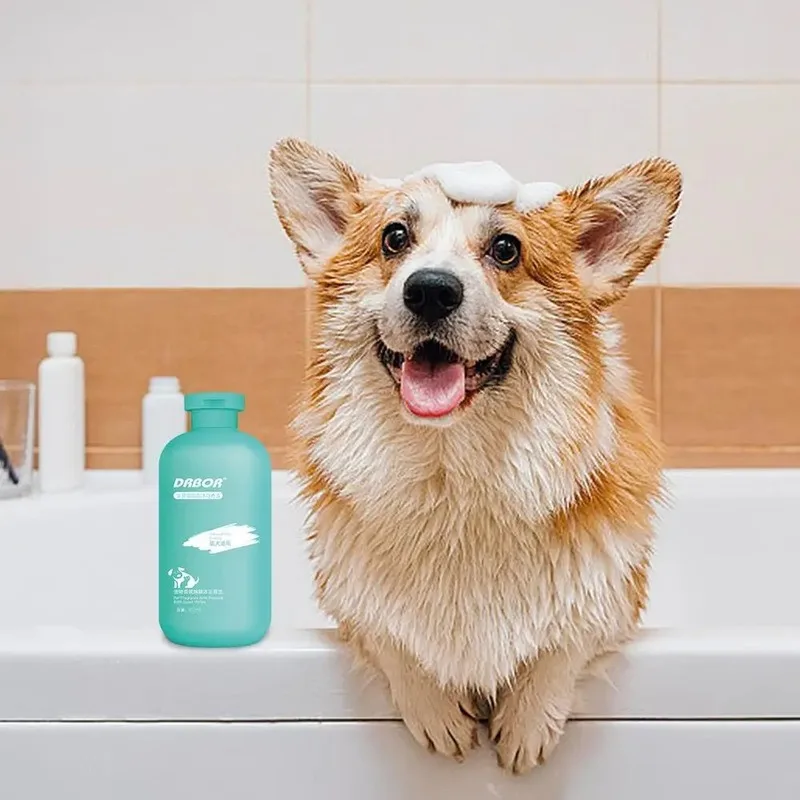
In recent years, more US pet owners have begun exploring natural grooming alternatives to maintain their dogs’ skin and coat health. Among these options, homemade dog shampoo stands out as a practical, customizable, and often more affordable choice compared to store-bought varieties. For many, the appeal lies in knowing exactly what ingredients touch their pet’s skin and avoiding harsh chemicals commonly found in commercial formulas.Homemade dog shampoo, as its name suggests, is a cleaning solution prepared at home using safe, pet-friendly ingredients. Unlike many mass-market shampoos filled with synthetic fragrances, dyes, or sulfates, homemade versions can focus on gentle cleansing, natural moisturizing, and even addressing specific skin issues like dryness or itchiness. Since dogs’ skin has a different pH level than humans, tailoring a formula to suit a canine’s needs can help prevent irritation and promote a healthier coat.
Furthermore, creating shampoo at home gives owners control over fragrance strength, texture, and additional benefits. From oatmeal for soothing sensitive skin to essential oils for a pleasant scent, each recipe can be personalized to suit both the dog’s and the owner’s preferences. In the following sections, we will explore what homemade dog shampoo actually consists of, how it works, and why it might be a beneficial switch for both you and your canine companion.
Understanding the Basics of Dog Shampoo
At its core, homemade dog shampoo is a DIY grooming product created with ingredients safe for canine skin and fur. The goal is to clean away dirt, oils, and environmental debris while maintaining moisture balance and avoiding skin disruption. The formulation often starts with a mild base, such as castile soap or baby shampoo, chosen for its gentle cleansing properties.
Secondary ingredients focus on targeted benefits. For example, colloidal oatmeal calms inflammation and relieves itching, making it ideal for dogs with allergies or sensitive skin. Aloe vera gel can provide hydration and soothe minor irritations. Vinegar—usually apple cider vinegar—can serve as a natural deodorizer and antibacterial agent when heavily diluted.
Rather than including unnecessary fillers or harsh preservatives, homemade shampoos rely on fresh preparation and refrigeration, if needed, to maintain quality. Measuring ingredients accurately and understanding each one’s effect on canine skin ensures the shampoo is effective yet safe. This attention to detail is what makes homemade solutions a valuable alternative to generic store-bought products.
How Homemade Shampoo Works on a Dog’s Coat and Skin
Dogs’ coats collect a mix of natural oils, dust, pollen, and sometimes irritants from outdoor environments. Homemade dog shampoo works by gently lifting away this buildup without stripping the natural protective sebum that keeps skin healthy and fur shiny.
The difference between homemade and some commercial shampoos is the degree of gentleness. Many store-bought products include strong detergents that overclean, leading to dryness, flakiness, or excessive oil production as the skin tries to rehydrate itself. Homemade versions, by contrast, intentionally use milder surfactants and moisturizing additives to keep the skin barrier intact.
For example, oatmeal particles in the shampoo can form a micro-layer on the skin, attracting and holding moisture even after rinsing. If aloe vera is present, it contributes to a cooling, soothing sensation and supports minor healing. By customizing these components, you can make a shampoo that not only cleans but actively nurtures your dog’s coat, resulting in better texture and reduced shedding over time.

Benefits of Switching to Homemade Dog Shampoo
The advantages of homemade dog shampoo go beyond cost savings. The ability to control ingredients means you can avoid common allergens or irritants, crucial for breeds prone to skin problems. Dogs with allergies to artificial fragrances or sulfates often experience fewer flare-ups when bathed with a customized formula.
Another benefit is sustainability. Making shampoo at home reduces reliance on plastic packaging and avoids shipping emissions associated with commercial products. You can mix and store your shampoo in reusable containers, refilling them as needed.
Economically, while some specialty pet shampoos cost significantly more per ounce, a homemade batch can often be prepared at a fraction of the cost using pantry staples. And because recipes can be adapted to fit the season or your dog’s activity level, you always have the right formulation on hand—whether it’s a soothing summer shampoo with aloe or a hydrating winter blend with coconut oil. These advantages make homemade dog shampoo an appealing option for conscientious pet owners.
Common Ingredients and Their Functions
A wide variety of safe, natural ingredients can be used in homemade dog shampoo, each with specific benefits:
- Castile Soap: A natural, vegetable-based soap that provides mild cleaning without sulfates.
- Colloidal Oatmeal: Reduces itchiness and calms inflammation for sensitive skin.
- Aloe Vera Gel: Hydrates skin and promotes healing of minor irritations.
- Apple Cider Vinegar: Acts as a natural deodorizer and fights bacteria (must be diluted).
- Coconut Oil: Adds moisture and shine to the coat while supporting skin health.
- Essential Oils: Oils like lavender or chamomile can add a pleasant scent and mild calming effects, but must be used sparingly and always checked for pet safety.
When experimenting with ingredients, it’s vital to avoid harmful substances like tea tree oil (in high concentration), xylitol, or human hair care products that can disrupt canine skin pH. The emphasis should always be on gentle, nourishing elements that enhance both cleanliness and comfort.
Tips for Using Homemade Dog Shampoo Safely
Even natural ingredients can cause reactions if used improperly. The first safety step when introducing homemade dog shampoo is to perform a small patch test on your dog’s skin to check for any adverse response. If redness or itching occurs, discontinue use and try adjusting the formula.
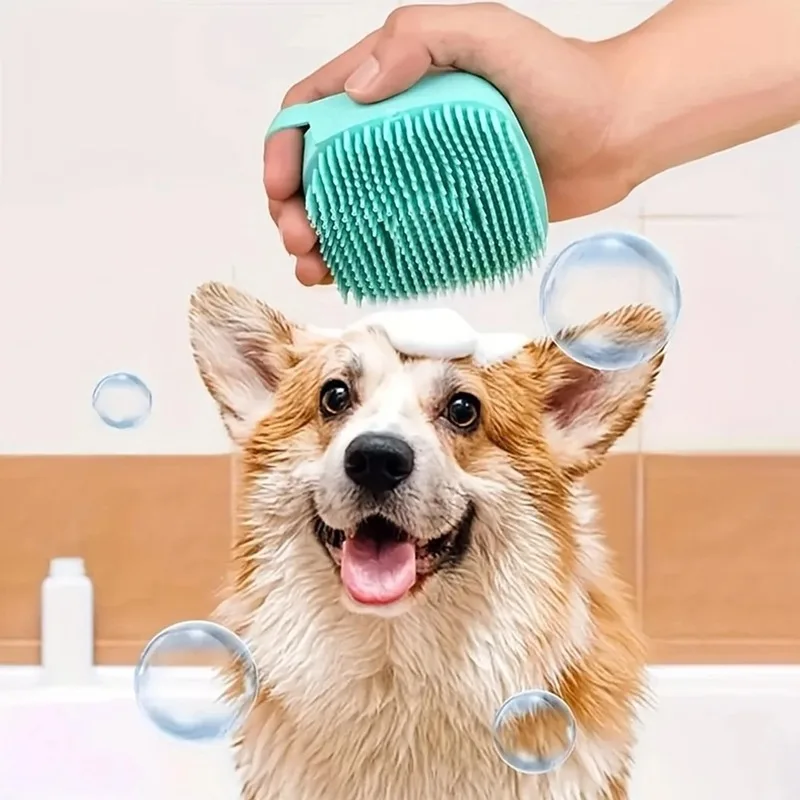
Always dilute concentrated soaps and apple cider vinegar to avoid irritation. When bathing, thoroughly wet the coat before massaging shampoo into the fur, taking care to avoid the eyes and inside the ears. Rinse completely, as any residue can cause discomfort or itching later.
It’s also helpful to establish a regular bathing schedule based on breed, coat type, and activity level. Overbathing can strip natural oils, even with gentle shampoos, so most dogs benefit from baths every four to six weeks unless otherwise directed by a veterinarian. Storing your homemade batch in a clean, sealed container and preparing smaller amounts ensures freshness and effectiveness.
Conclusion: Is Homemade Shampoo Right for Your Pet?
Choosing homemade dog shampoo offers pet owners greater control, customization, and potential health benefits for their dogs. By understanding the unique needs of your pet’s skin and coat, you can create formulas tailored to soothe, moisturize, and cleanse without unnecessary chemicals.
The shift to homemade grooming products can seem small but often results in noticeable improvements in coat texture, reduced skin issues, and overall pet comfort. Plus, the process of making the shampoo can be both rewarding and cost-effective, especially when using ingredients already available in your home.
For pet owners seeking a gentler, more transparent approach to dog care, homemade dog shampoo is worth considering. By combining mindful ingredient selection with proper bathing techniques, you’ll support your dog’s well-being and enjoy the satisfaction of a truly personal grooming routine.