Understanding Spark Plugs
Changing spark plugs is an essential part of vehicle maintenance that can significantly improve your car's performance, fuel efficiency, and overall longevity. While it may seem intimidating at first, replacing spark plugs is a straightforward process that most DIY enthusiasts can tackle with the right tools and knowledge. In this article, we'll walk you through every step of changing spark plugs, from understanding what they do to completing the job safely and efficiently. How to change spark plugs? This guide is divided into six parts, each exploring different aspects of spark plug replacement. We'll cover everything from preparation and tool selection to troubleshooting common issues during the process. Let’s dive in!
What Are Spark Plugs?
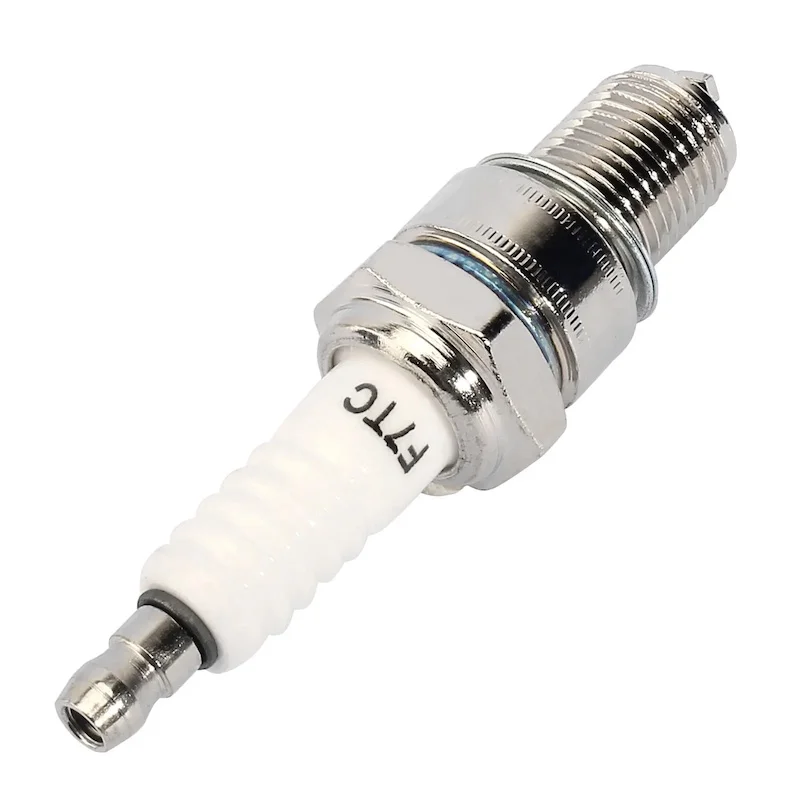
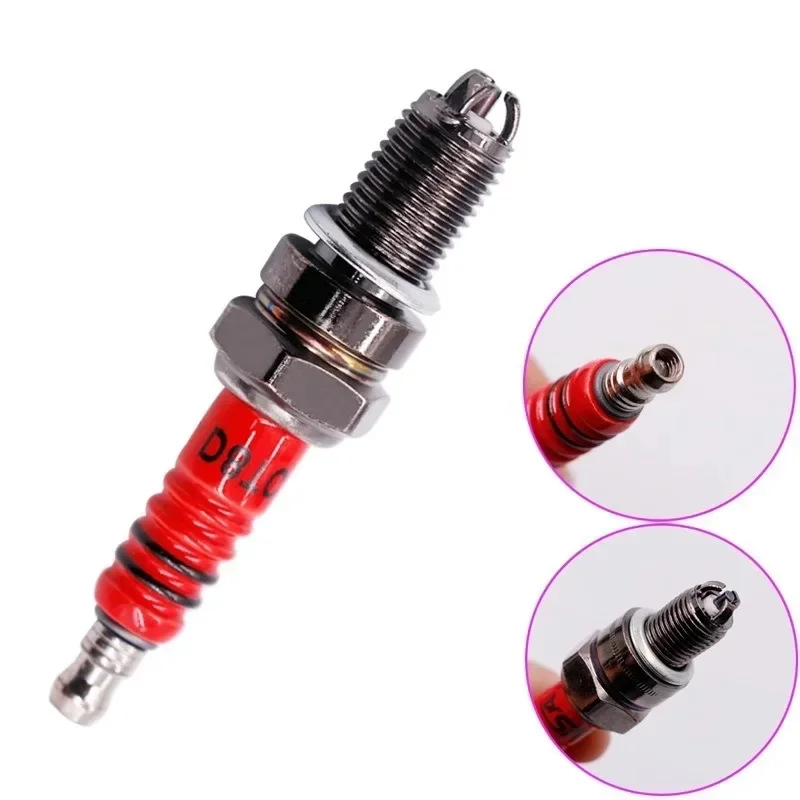
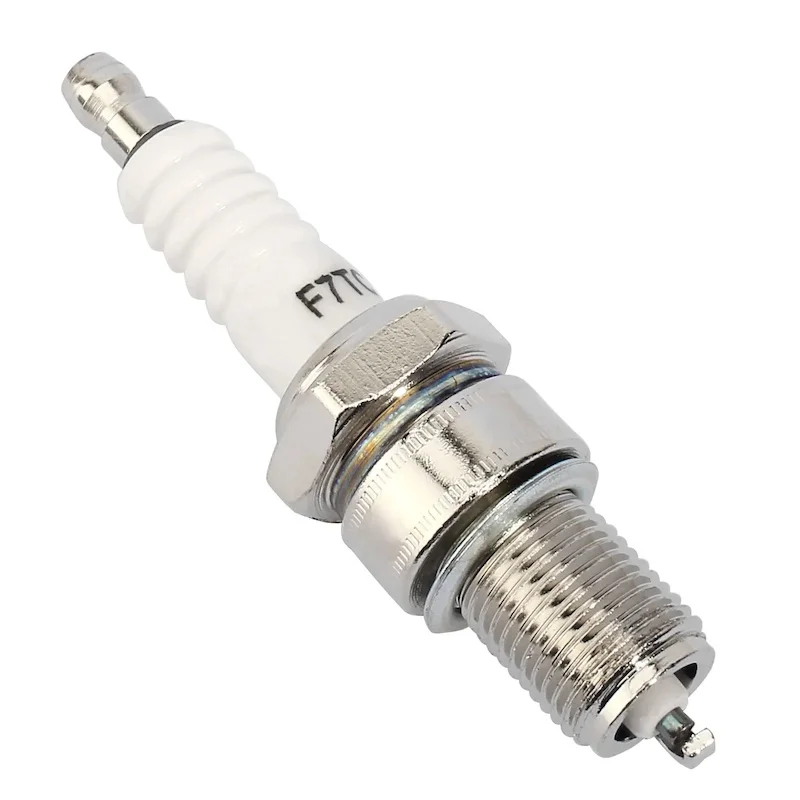
Before diving into how to change them, it’s important to understand what spark plugs are and why they matter. Spark plugs are small but critical components of your vehicle's engine. They ignite the air-fuel mixture inside the combustion chamber, providing the energy needed for your car to run smoothly.
Key Points:
- Functionality: Spark plugs generate an electric spark that ignites the fuel-air mixture in the engine cylinders.
- Location: Each cylinder in your engine typically has one or two spark plugs, depending on the design.
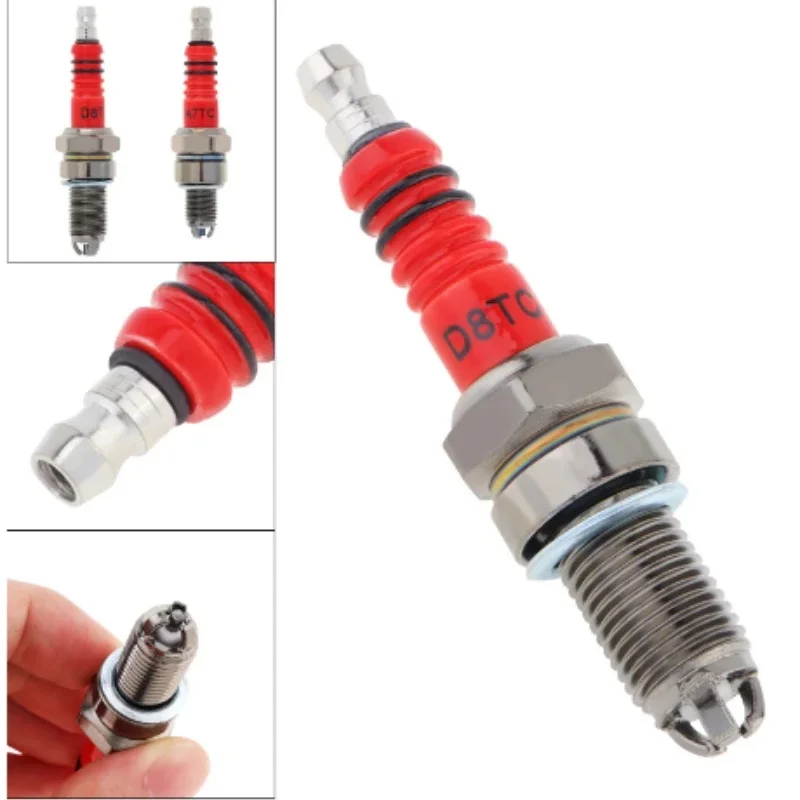
- Materials: Modern spark plugs come in various materials, such as copper, platinum, and iridium, which affect their durability and performance.
Why Replace Spark Plugs?
Over time, spark plugs wear out due to heat, electrical wear, and exposure to combustion byproducts. Failing to replace them can lead to poor engine performance, increased fuel consumption, and even damage to other engine components.
Key Points:
- Wear and Tear: Carbon buildup, corrosion, and electrode erosion reduce the effectiveness of spark plugs.
- Impact on Performance: Worn-out spark plugs can cause rough idling, hard starting, and decreased horsepower.
- Preventative Maintenance: Replacing spark plugs regularly helps avoid costly repairs and keeps your vehicle running smoothly.
Preparing for the Job
Gathering the Right Tools
How to change spark plugs? To successfully change your spark plugs, you’ll need a few basic tools. Having the correct equipment ensures the job goes smoothly and reduces the risk of damaging your engine.
Key Tools:
- Spark Plug Socket: A specialized socket designed to fit around the spark plug without scratching it.
- Ratchet and Extensions: Allows access to hard-to-reach spark plugs.
- Torque Wrench: Ensures new spark plugs are tightened to the manufacturer's specifications.
- Feeler Gauge: Used to measure and adjust the gap between the electrodes of the spark plugs.
- Compressed Air: Helps clean debris from around the spark plug wells.
- Gloves and Safety Glasses: Protect your hands and eyes during the process.
Creating a Safe Work Environment
Safety should always be your top priority when working on your vehicle. Proper preparation minimizes the risk of injury or damage to your car.
Key Steps:
- Cool Down the Engine: Allow the engine to cool completely before starting work to avoid burns.
- Disconnect the Battery: Remove the negative terminal to prevent accidental ignition or electrical shocks.
- Clear the Area: Ensure the workspace is clean and free of clutter to make the job easier and safer.
- Consult Your Manual: Refer to your vehicle's owner's manual for specific instructions and torque values.
Removing Old Spark Plugs
Identifying Spark Plug Locations
The first step in replacing spark plugs is locating them. Depending on your vehicle's design, spark plugs may be easy to access or hidden under engine covers or shields.
Key Points:
- Access Points: Look for rubber or plastic boot connectors leading to each spark plug well.
- Engine Covers: Some vehicles require removing engine covers or shields to expose the spark plugs.
- Labeling: Take note of the firing order (if applicable) to ensure proper reinstallation.
Safely Removing Spark Plugs
Once you’ve identified the spark plugs, follow these steps to remove them carefully:
Step-by-Step Process:
Clean the Area: Use compressed air or a soft brush to remove dirt and debris from around the spark plug wells.
Detach the Boot: Gently pull the rubber boot straight off the spark plug. Avoid twisting, as this can damage the wire or connector.
Loosen the Plug: Insert the spark plug socket onto the plug and turn counterclockwise with the ratchet until it loosens.
Remove Completely: Finish unscrewing the plug by hand to avoid cross-threading or damaging the threads in the cylinder head.

Installing New Spark Plugs
Preparing New Spark Plugs
Before installing new spark plugs, you need to prepare them properly to ensure optimal performance.
Key Steps:
- Check the Gap: Use a feeler gauge to verify that the gap between the electrodes matches the manufacturer's specifications. Adjust if necessary.
- Apply Dielectric Grease: Apply a small amount of dielectric grease to the base of the boot connectors to ensure a secure fit and prevent sticking.
- Inspect Threads: Make sure the threads of the new spark plugs are clean and undamaged.
Installing the Spark Plugs
With the old spark plugs removed and the new ones prepared, follow these steps to install them:
Step-by-Step Process:
Hand-Tighten First: Screw the new spark plug into place by hand to avoid cross-threading.
Secure with Ratchet: Use the ratchet to tighten the spark plug slightly further, ensuring it’s snug but not overtightened.
Torque to Specification: Use a torque wrench to tighten the spark plug to the recommended torque value specified in your owner's manual.
Reattach the Boot: Push the rubber boot firmly back onto the spark plug until it clicks into place.
Testing and Troubleshooting
Testing the Vehicle
After replacing all the spark plugs, it’s time to test your vehicle to ensure everything is working correctly.
Key Steps:
- Reconnect the Battery: Attach the negative terminal back to the battery.
- Start the Engine: Turn the key and listen for smooth operation. Check for any unusual noises or vibrations.
- Drive Test: Take your vehicle for a short drive to assess acceleration, fuel economy, and overall performance.
Common Issues and Solutions
If something doesn’t seem right after replacing the spark plugs, here are some common issues and how to address them:
Troubleshooting Tips:
- Hard Starting: Double-check that all spark plugs are properly gapped and securely installed.
- Rough Idling: Inspect the boot connectors for proper alignment and ensure no wires are crossed.
- Misfiring: Verify that the firing order was followed and that all connections are secure.
- Excessive Smoke: Look for signs of oil contamination in the spark plug wells, which could indicate worn valve seals or gaskets.
Maintaining Spark Plug Performance
Regular Inspections
Regular inspections of your spark plugs can help identify potential problems early and extend their lifespan.
Key Practices:
- Visual Checks: Periodically inspect the condition of your spark plugs during routine maintenance.
- Gap Measurement: Recheck the gap periodically to ensure it remains within specifications.
- Cleaning: Keep the area around the spark plug wells clean to prevent debris buildup.
Best Practices for Longevity
Adopting best practices can maximize the life of your spark plugs and improve overall engine health.
Key Strategies:
- Quality Fuel: Using high-quality gasoline reduces carbon deposits and prolongs plug life.
- Air Filter Maintenance: Keeping your air filter clean ensures proper airflow, minimizing contamination of the spark plugs.
- Regular Tune-Ups: Including spark plug checks during routine tune-ups helps catch issues before they escalate.
- Driving Habits: Avoid frequent short trips, as they don’t allow the engine to reach operating temperature, leading to carbon buildup.
How to change spark plugs? By following this comprehensive guide, you can confidently change your spark plugs and keep your vehicle running smoothly. Whether you’re a seasoned mechanic or a beginner, understanding the process and taking the necessary precautions will ensure the job is done safely and effectively. Remember, regular maintenance and care go a long way in extending the life of your vehicle and its components. Happy wrenching!