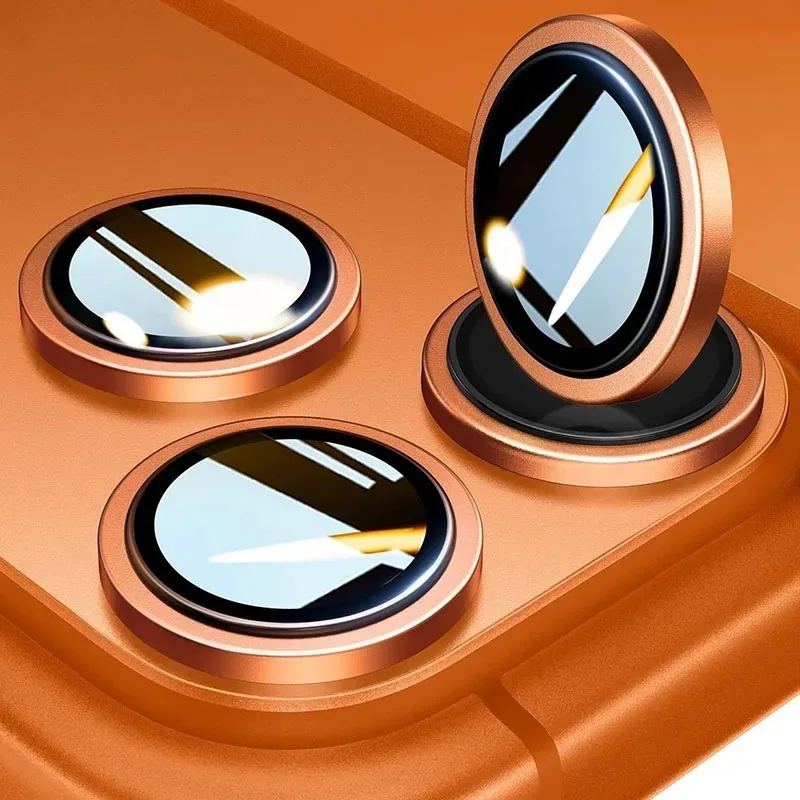
For photographers, whether beginners or professionals, protecting camera gear is always a top priority. Lenses are among the most expensive and delicate components, and their optical quality directly determines the sharpness and clarity of your photos. A camera lens protector is a straightforward, affordable solution that safeguards your lens from scratches, smudges, dust, and other surface damage that can degrade image quality over time.
If you’ve searched for "camera lens protector" online, you probably came across a wide range of options—glass, plastic, UV filters, and multi-coated versions—all claiming they’ll protect your lens without affecting the quality of your shot. But beyond marketing claims, there’s actual science and practicality to why these protectors work. They act as a shield against environmental hazards, accidental impacts, and everyday handling wear, allowing your lens to maintain long-term performance.
In the US, where photography ranges from rugged outdoor adventures to controlled studio work, the ability to keep lenses pristine is invaluable. Let’s explore how a camera lens protector works, the types available, and the specific situations where it proves essential, ensuring your lenses remain free from costly damage.
Acting as the First Line of Defense for Your Lens
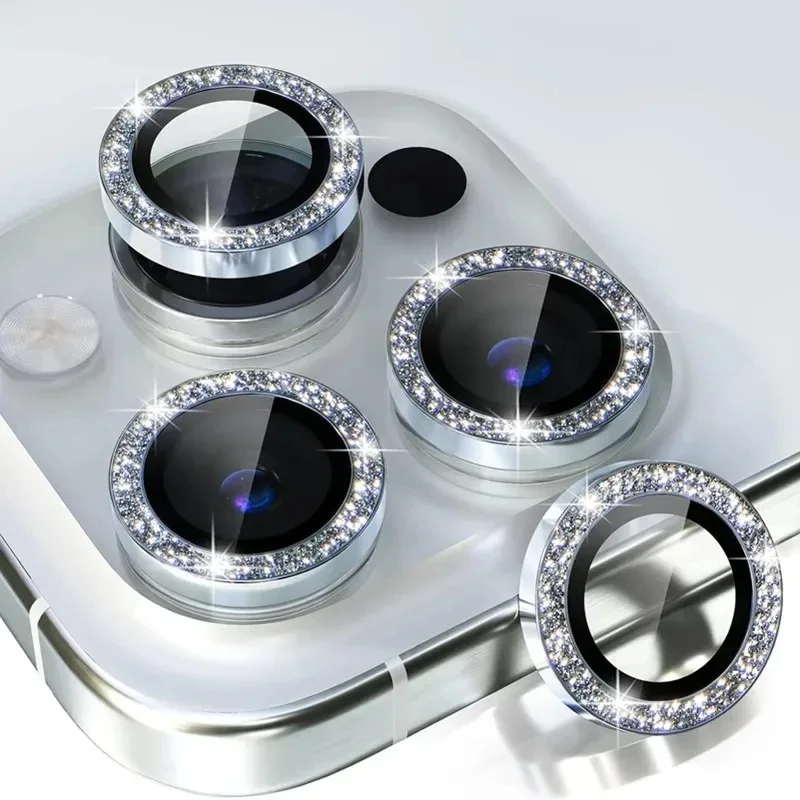
The primary role of any camera lens protector is to act as a barrier between your expensive optical glass and whatever might harm it. This means catching dust, dirt, fingerprints, water droplets, or scratches before they ever touch the lens itself. Instead of cleaning fragile coatings frequently—which risks micro-abrasions over time—you clean or replace the protector, keeping the main lens safe.
In situations where you’re shooting in dusty, sandy, or windy conditions, such as beaches, deserts, or construction sites, airborne particles can easily land on your lens surface. If wiped directly, these particles can cause fine scratches that build up into visible defects. A lens protector takes the impact from these particles, preserving the untouched glass underneath.
Even indoors or in studio settings, unintentional bumps or contact with objects pose risks. The protector absorbs small impacts and resists scratches that could otherwise permanently mark the front element. It also reduces the frequency of lens servicing—an expensive, time-consuming process.
By becoming the outermost layer of your lens system, the protector serves as a first line of defense without interfering with your creative work, provided it’s high quality and properly installed.
Safeguarding Against Accidental Touches and Smudges
It’s common for photographers or bystanders to unintentionally touch the lens surface. Fingerprints contain oils and sometimes fine debris that can harm lens coatings if not cleaned promptly. With a camera lens protector in place, the contact affects only the protector's surface—not the actual lens. This allows quick cleanup without the anxiety of damaging optical glass.
Smudges may seem harmless, but they scatter light passing through the lens, potentially reducing sharpness and contrast. Removing them often requires liquid cleaners or microfiber cloths, and each cleaning carries a slight risk to the coating. Continual cleaning of the actual lens element eventually wears down protective layers, making it more prone to scratches.
A protector takes on the cleaning burden. It can be cleaned more frequently, even replaced entirely for minimal cost, ensuring the main lens remains untouched as much as possible. Event photographers, street shooters, and travel bloggers benefit greatly from this protection, as their gear is often handled amid crowded or less-controlled environments.
Shielding Against Environmental Hazards
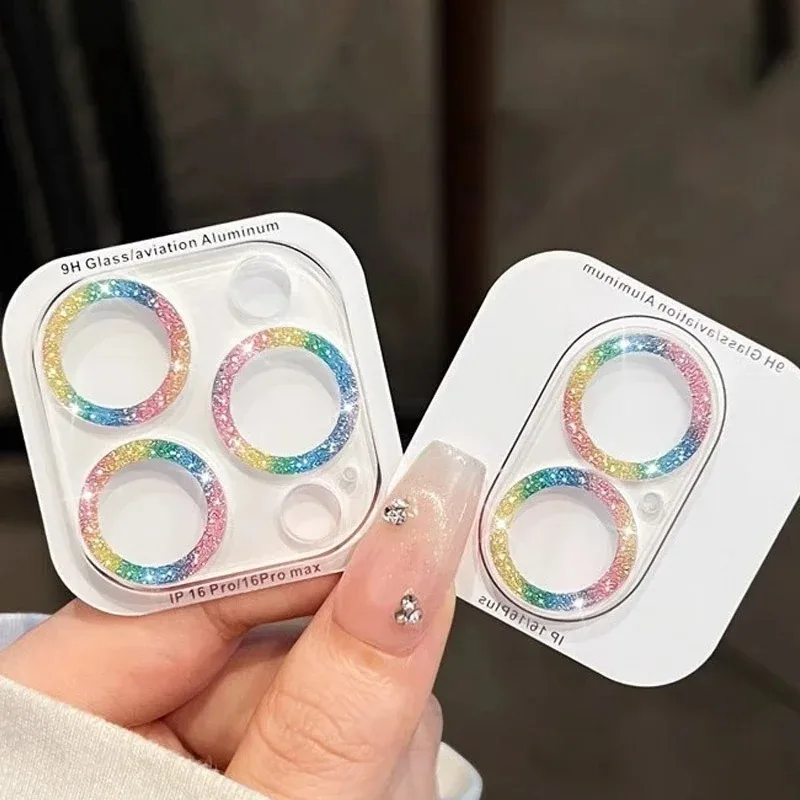
Outdoor photography often means dealing with sudden weather changes—wind kicking up grit, unexpected rain showers, or sea spray from ocean waves. Each of these hazards can lead to surface damage or introduce moisture into your lens if left unchecked. A camera lens protector acts like a transparent shield in these scenarios, blocking debris and droplets while letting you keep shooting.
In rain or snow, protectors with water-repellent coatings cause moisture to bead up and roll away instead of spreading across the surface. This keeps visibility clear without constant wiping, reducing the risk of abrasive cleaning mid-shoot. In salty or humid environments, the protector prevents corrosive elements from reaching the main lens and affecting its coatings.
For nature photographers, the protector’s ability to guard against pollen or sap when shooting close to plants is an underrated benefit. These substances can stick stubbornly to surfaces and require tough cleaning efforts—much easier to perform on a replaceable protector than costly lens glass.
Simply put, any unpredictable outdoor element that might compromise your lens encounters the protector first, keeping your actual optics isolated and safe.
Protection During Transport and Storage
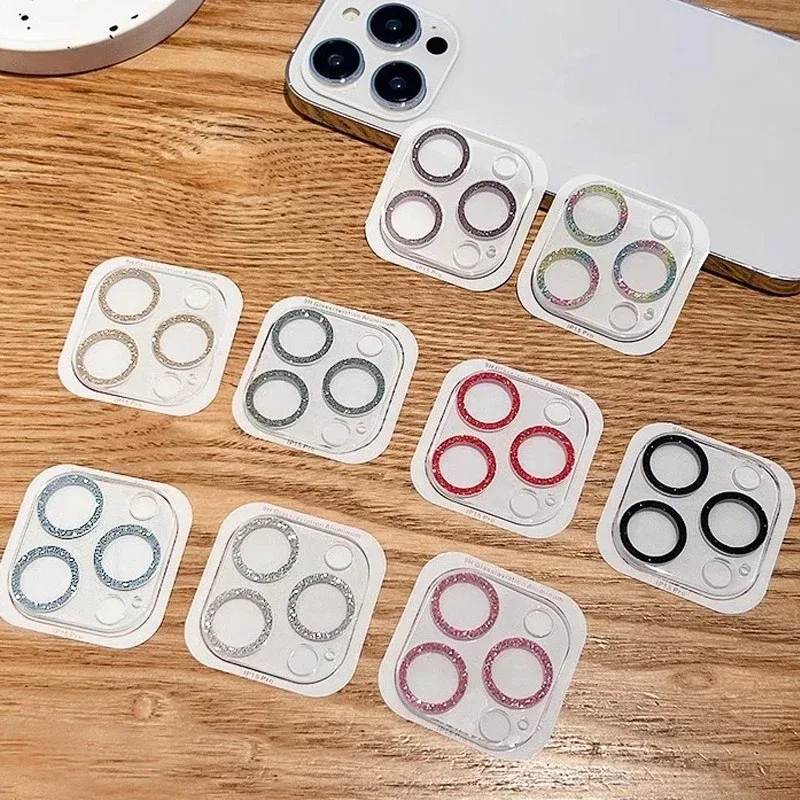
Damage often occurs not while shooting but during transport or storage. Lenses jostling in bags, exposure to shifting gear, or accidental knocks when packing are common sources of scratches and chips. Having a camera lens protector installed ensures that if something does brush against the lens front, it meets the protector—not the precision glass.
Even with padded camera bags, quick drops or hard knocks can happen, especially during travel or event setups. Protectors, particularly tempered glass types, can absorb a significant amount of shock, mitigating damage to the lens itself.
When stored, dust particles can settle unnoticed on the lens surface. Without a protector, this means cleaning the primary element before use. With a protector in place, dust cleaning becomes more frequent but far less risky, as you’re cleaning a durable outer layer.
Photographers who invest heavily in gear often pair protectors with lens caps to maximize security. The protector continues safeguarding the lens even if the cap is off, offering peace of mind during active shoots or quick changes in the field.
Minimal Impact on Image Quality When Chosen Wisely
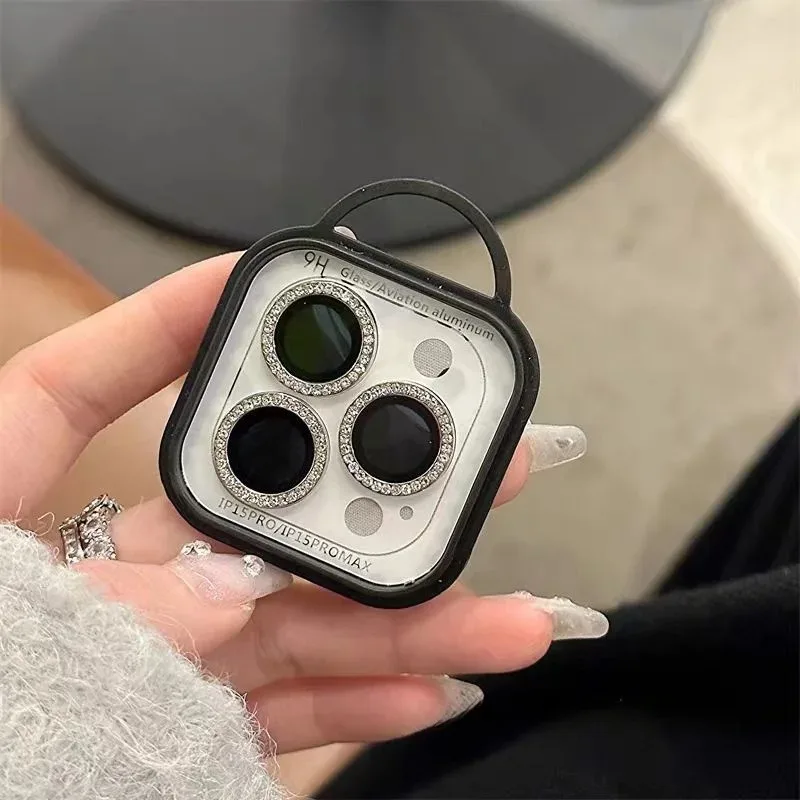
Some photographers hesitate to use a camera lens protector because they worry it will degrade image quality. While low-quality protectors can introduce glare or reduce sharpness, a high-grade, multi-coated protector maintains optical clarity and resists ghosting or reflections.
Coatings help control light transmission, ensuring the lens functions as designed. Professional protectors are crafted from optical glass that matches the refractive standards of the lens itself, avoiding distortion. These are tested to ensure they don’t interfere with autofocus speed or manual focusing precision.
Care in choosing the right protector—matching the exact lens diameter, high optical quality, and appropriate coating—means you gain protective benefits without sacrificing photo integrity. For wide-angle or high-aperture lenses, edge-to-edge clarity in the protector is particularly important.
Ultimately, investing in a good protector ensures your shots remain as sharp and vibrant as they would without one, while drastically reducing the risk of costly surface repairs.
Final Thoughts: Why a Camera Lens Protector is Worth It
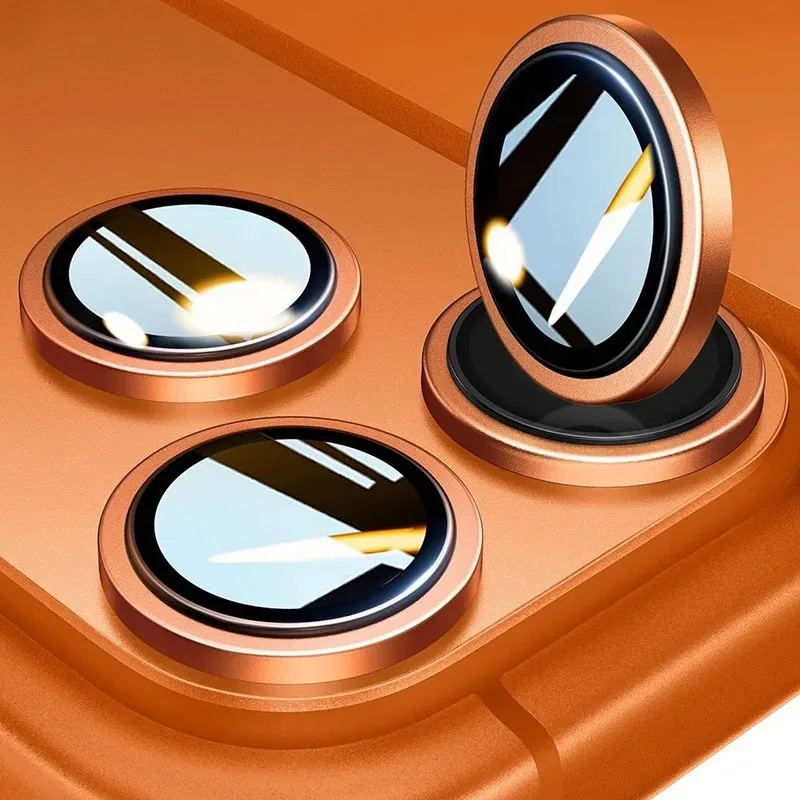
A camera lens protector is one of the simplest, most cost-effective tools for preventing surface damage to expensive optics. By acting as a barrier, it absorbs scratches, resists smudges, blocks environmental hazards, and provides security during transport—all without meaningfully affecting image quality when chosen wisely.
The financial benefit is clear: replacing a protector costs far less than repairing or replacing a damaged lens. Beyond finances, there’s the peace of mind of knowing your gear is consistently shielded, whether you’re shooting in calm studio conditions or amid unpredictable outdoor challenges.
For US photographers—be they amateurs exploring local landscapes or professionals running commercial shoots—the protector is a smart, everyday safeguard that minimizes risk while preserving creative freedom. Equip your lenses with one, and you ensure they keep delivering the sharp, clear images you rely on for years to come.