What Is a Makeup Brush Cleaner Machine?
In today’s fast-paced beauty world, maintaining clean and hygienic makeup tools is more important than ever. Enter the makeup brush cleaner machine—a modern, automated solution designed to simplify and enhance the process of cleaning your brushes, sponges, and even beauty tools like eyeliner wands or lip brushes.
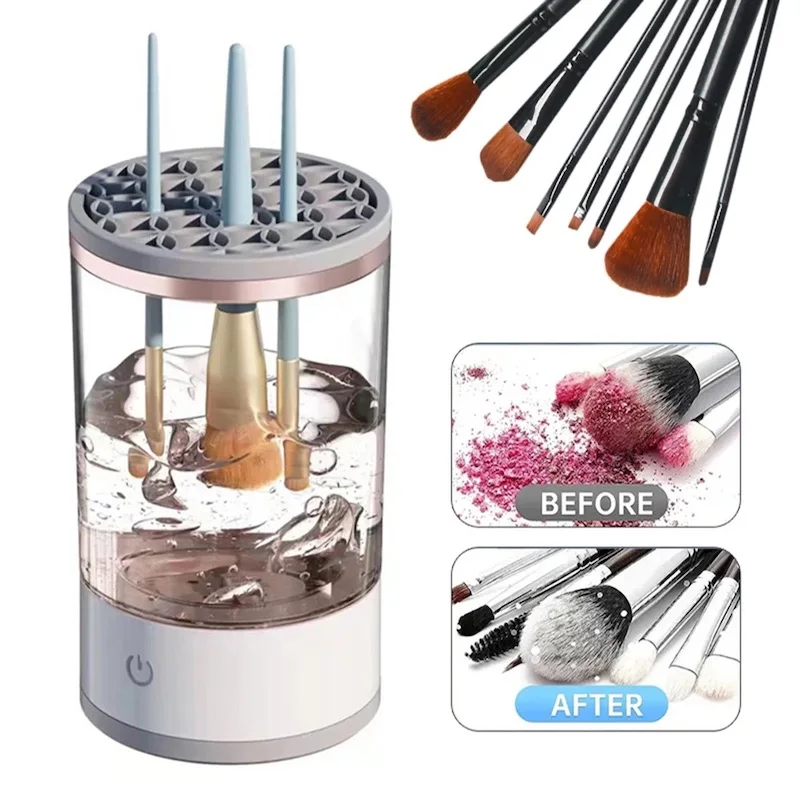
Unlike traditional hand-washing methods—which can be time-consuming, messy, and inconsistent—a makeup brush cleaner machine uses gentle rotation, water, and sometimes ultrasonic vibrations or micro-bubbles to deep-clean bristles without damaging them. These machines come in various forms: countertop models with rotating heads, portable handheld devices, or even smart versions that connect to apps for personalized care routines.
The core idea is simple: place your brush in the machine, add a small amount of brush cleanser or mild soap, press a button, and let the device do the work. Most models run for 2–5 minutes, leaving your brushes spotless, sanitized, and ready for use—without the need for manual scrubbing or worry about frayed bristles.
Whether you’re a professional makeup artist, a skincare enthusiast, or someone who wears makeup daily, a brush cleaner machine offers convenience, consistency, and peace of mind. It’s not just a luxury—it’s a hygiene upgrade that saves time and protects your skin.
Why You Should Consider a Makeup Brush Cleaner Machine?
If you’ve ever struggled with dirty brushes causing breakouts, uneven makeup application, or simply the hassle of hand-cleaning, a brush cleaner machine might be the game-changer you didn’t know you needed. Here’s why:
1. Saves Time and Effort
Hand-washing brushes can take 10–15 minutes per tool—especially if you have multiple brushes. A machine typically cleans one brush in under 5 minutes, and many models can handle several brushes at once. This means less time spent scrubbing and more time doing what you love—applying makeup or relaxing.
2. Prevents Skin Issues
Dirty brushes harbor bacteria, dead skin cells, and old product residue. According to dermatologists, this buildup can lead to acne, folliculitis, and even eye infections. A machine ensures thorough cleaning that removes up to 99% of microbes—far more effectively than manual rinsing alone.
3. Extends Brush Life
Over-scrubbing or improper drying can damage bristles over time. A machine gently rotates brushes in soapy water, reducing friction and wear. Many users report their brushes lasting twice as long after switching to a machine-based routine.
4. Consistent Results
Manual cleaning often leads to inconsistency—some brushes get missed, others are over-rinsed. A machine provides uniform cleaning every time, ensuring all bristles are thoroughly cleaned from base to tip.
5. Hygiene for Professionals and Amateurs Alike
Makeup artists, estheticians, and salon owners benefit immensely from using a brush cleaner machine—it streamlines their workflow and maintains client safety. For everyday users, it’s an easy way to uphold high standards of cleanliness without extra effort.
In short, a makeup brush cleaner machine isn’t just a gadget—it’s a smart investment in your beauty routine, skin health, and time management.
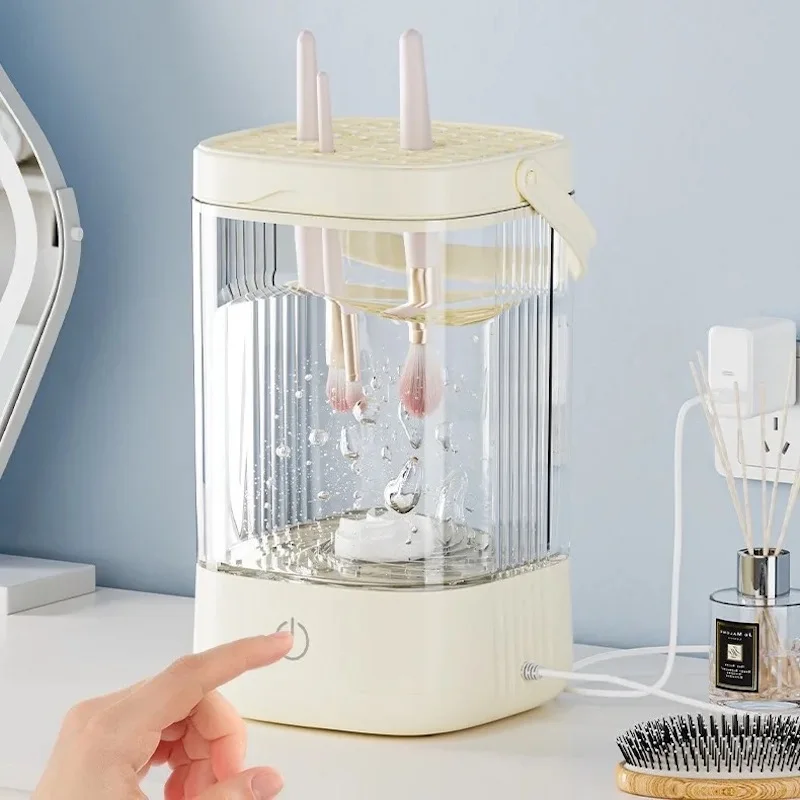
How Does a Makeup Brush Cleaner Machine Work?
Most modern brush cleaner machines operate on a few key principles, depending on the model:
1. Rotating Basin Cleaning
This is the most common method. Brushes are placed into a basin filled with warm water and a small amount of brush cleanser. A motor spins the basin gently, allowing the bristles to rotate against each other and the bowl’s textured surface. This motion loosens dirt, oil, and pigment without harsh scrubbing.
2. Ultrasonic Vibration (High-End Models)
Some premium machines use ultrasonic waves—sound frequencies too high for humans to hear—to create microscopic bubbles that implode and clean deep into bristle fibers. This technique is incredibly effective at removing stubborn residue and disinfecting brushes without any physical contact.
3. Micro-Bubble Technology
Similar to ultrasonic cleaning but less intense, micro-bubble systems generate tiny air bubbles that lift and carry away debris. These are ideal for synthetic and natural hair brushes alike.
4. Timer and Auto-Shutoff Features
Most machines include a built-in timer (usually 2–5 minutes) and automatic shut-off to prevent over-soaking or energy waste. Some even have multiple settings for different brush types—e.g., “Delicate” for natural hair, “Heavy Duty” for foundation brushes.
5. Easy Drainage & Drying
Post-cleaning, the machine drains the water automatically, and some models feature a drying rack or UV light function to sanitize and dry brushes quickly. This prevents mold growth and keeps your tools ready for next use.
These technologies combine to make brush cleaning faster, deeper, and safer than ever before. Whether you’re a beginner or a pro, there’s a machine suited to your needs and budget.
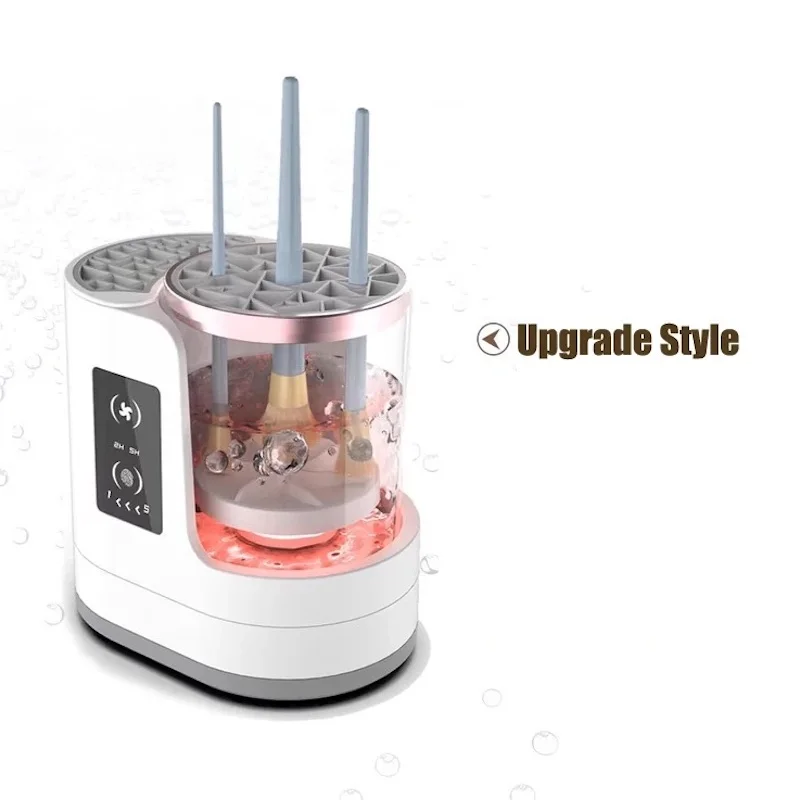
Top Features to Look for When Choosing a Brush Cleaner Machine
Not all brush cleaners are created equal—and choosing the right one depends on your lifestyle, brush collection size, and budget. Here are the must-have features to consider:
1. Capacity (How Many Brushes Can It Clean?)
- Single-brush models: Ideal for minimalists or travel.
- Multi-brush holders: Great for professionals or those with large collections (3–6 brushes at once).
- Modular design: Some machines allow you to swap out brush holders for different sizes or shapes.
2. Cleaning Method
- Rotary vs. Ultrasonic: Rotary is affordable and effective; ultrasonic offers deeper cleaning but costs more.
- Water Temperature Control: Some models heat water slightly for better cleansing—but ensure it’s not too hot to avoid damaging glue or bristles.
3. Ease of Use & Portability
Look for intuitive controls, lightweight design, and compact storage. Portable models (with USB charging or battery power) are perfect for on-the-go beauty routines or travel.
4. Safety Features
- Auto-shutoff to prevent overheating or over-soaking
- Non-slip base for stability
- Leak-proof design to avoid messes
5. Additional Functions
- UV sterilization (kills 99% of bacteria)
- Built-in drying racks or fans
- App connectivity for tracking cleaning schedules (for smart models)
6. Price Range
- Budget-friendly (under $30): Basic rotary models for occasional use
- Mid-range (30–30–70): Feature-rich options with timers and better build quality
- Premium ($70+): Ultrasonic or smart models with advanced tech and durability
By prioritizing these features, you’ll find a machine that fits seamlessly into your routine—not just another gadget collecting dust.
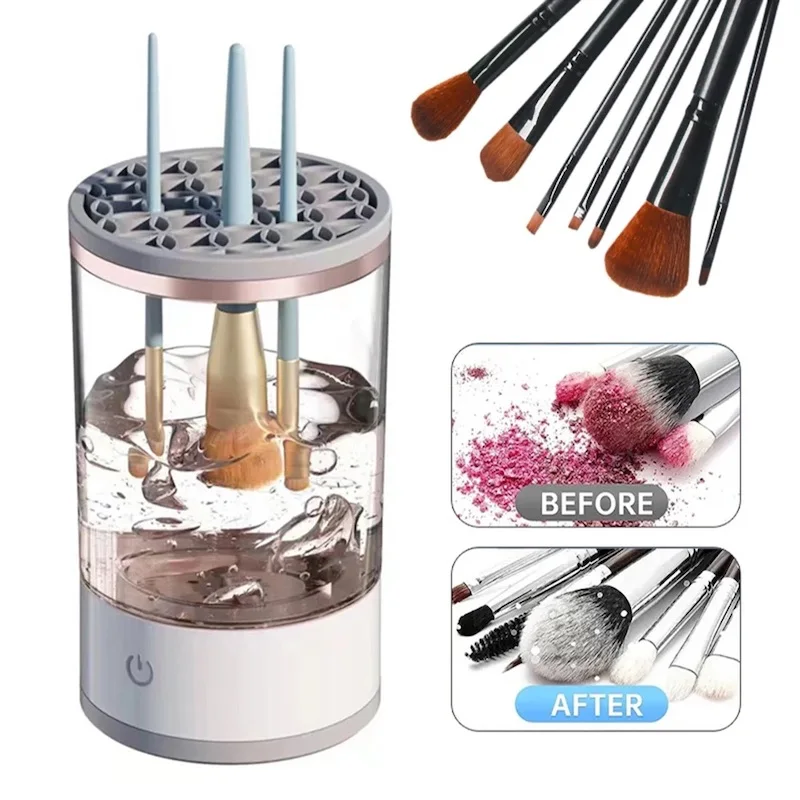
How to Use a Brush Cleaner Machine Properly?
Even the best machine won’t perform well if used incorrectly. Follow these steps for optimal results:
Step 1: Prep Your Brushes
Remove excess product by wiping bristles on a tissue or paper towel. If brushes are heavily stained, pre-rinse briefly under warm water to loosen dried-on makeup.
Step 2: Add Cleanser and Water
Fill the basin with warm (not hot) water—about 1–2 inches deep. Add 1–2 drops of a gentle brush cleanser (avoid alcohol-based products). Too much soap can leave residue or irritate skin.
Step 3: Insert Brushes Securely
Place brushes into the designated slots or holders. Make sure the bristles are fully submerged but the handles stay dry. Avoid overcrowding—leave space between brushes for proper rotation.
Step 4: Start the Cycle
Press the start button. Most machines run for 2–5 minutes. Don’t open the lid during operation—it may cause leaks or disrupt the cleaning process.
Step 5: Rinse and Dry
Once done, pour out the water and rinse brushes under running water to remove any remaining soap. Gently squeeze bristles to release trapped water. Then, reshape the bristles and lay brushes flat or hang them upside down to dry completely (24–48 hours).
Pro Tip: For extra sanitization, use a UV light function if available—or place brushes near a window for sunlight exposure, which naturally kills bacteria.
Avoid skipping the drying step! Damp brushes stored upright can develop mold or weaken the ferrule glue—defeating the purpose of cleaning altogether.
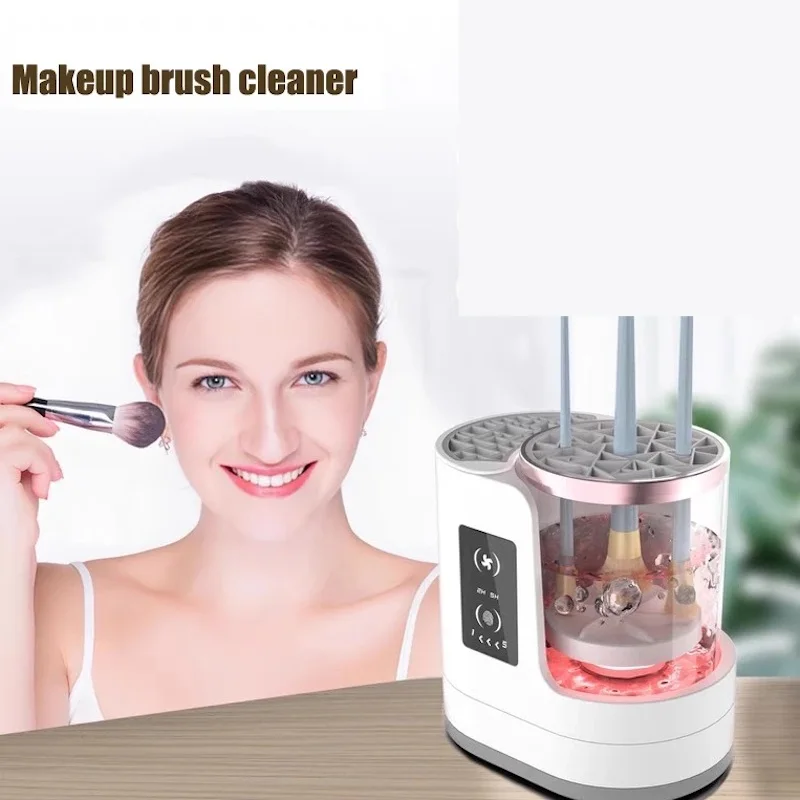
Real-Life Benefits and User Testimonials
Let’s hear from real people who’ve made the switch to a makeup brush cleaner machine:
Sarah, Professional Makeup Artist (New York City):
“I used to spend 30 minutes daily cleaning my brushes—now it takes 5. My clients notice the difference in how evenly the makeup blends, and I haven’t had a single breakout since I started using my ultrasonic cleaner.”
James, Skincare Enthusiast (Los Angeles):
“As someone with sensitive skin, I was always worried about clogged pores from dirty brushes. Now I clean them weekly with my rotary machine, and my skin has never looked clearer. Plus, it’s so satisfying to see them come out sparkling!”
Emma, College Student (Toronto):
“I travel a lot and used to forget to clean my brushes. The portable USB-powered model I bought fits in my bag—I can clean them anytime, anywhere. It’s been a total game-changer for my morning routine.”
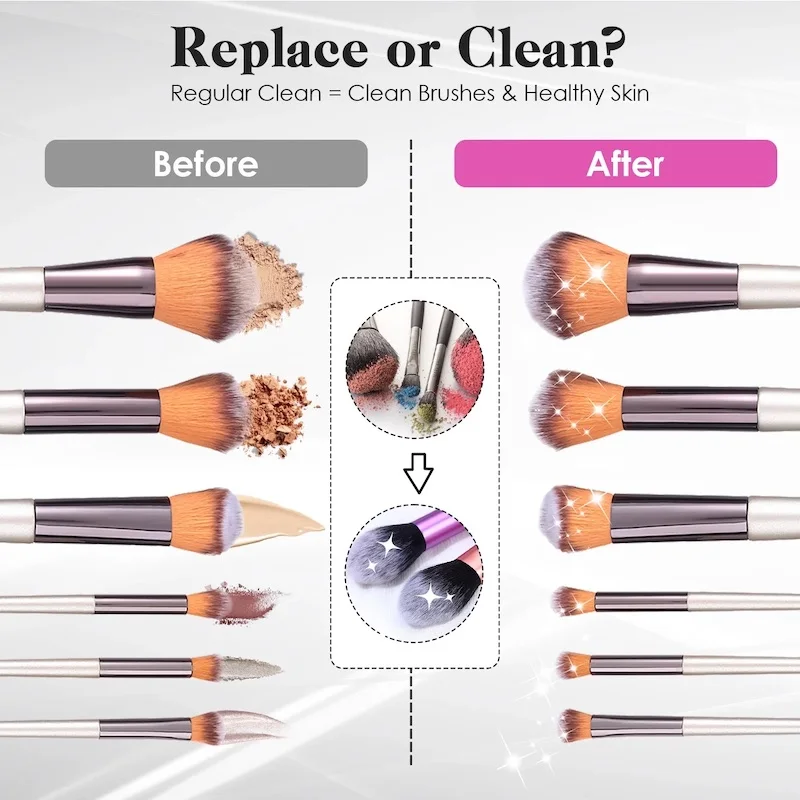
These stories highlight a common theme: time saved + better hygiene = healthier skin + better makeup results. Whether you're a busy mom, a student, or a pro, a brush cleaner machine adapts to your life—not the other way around.
In conclusion, a makeup brush cleaner machine isn’t just a trendy beauty tool—it’s a practical, science-backed solution to a problem we all face. It simplifies maintenance, boosts skin health, and helps you get the most out of your brushes. So if you’re serious about clean, safe, and stunning makeup, it’s time to invest in the future of brush care. Your skin—and your brushes—will thank you.