Why Men's Sunscreen Hats Are a Must-Have for Sun Safety and Comfort
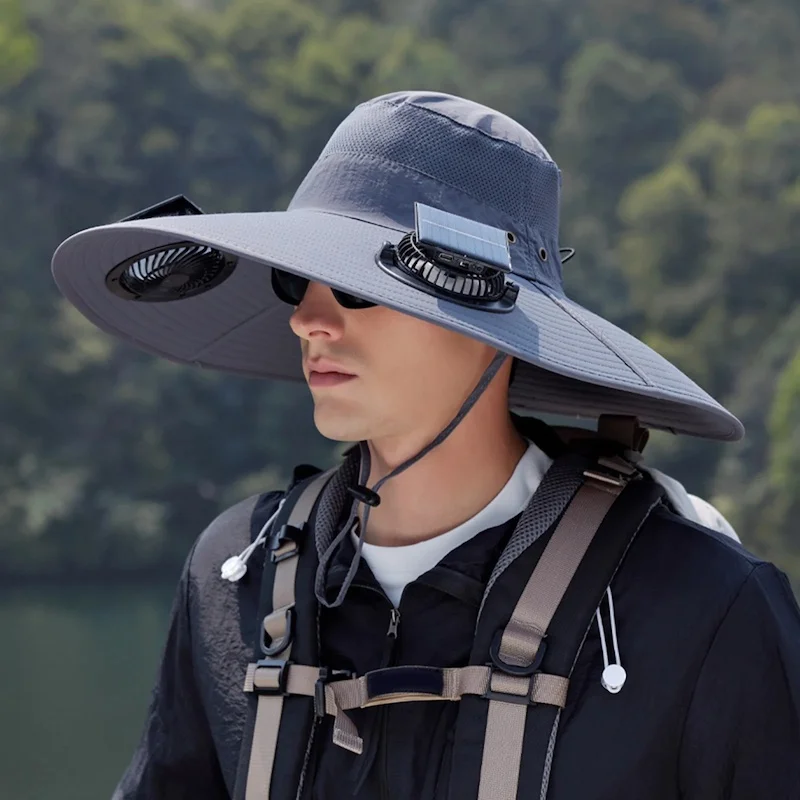
In today's world of increased awareness about sun protection, men’s sunscreen hats have emerged as essential accessories—not just for fashion, but for health. While sunscreen lotions are widely used, many overlook the importance of head and face protection, which is where sunscreen-infused or UV-protective hats come into play.
Men’s sunscreen hats are specially designed with UPF (Ultraviolet Protection Factor) technology embedded in the fabric, offering long-lasting protection from harmful UVA and UVB rays. These hats go beyond traditional straw or cotton styles by providing built-in sun defense, making them ideal for outdoor activities like hiking, fishing, golfing, cycling, beach outings, and even daily commuting.
Understanding Sunscreen Hats – What They Are and How They Work
Definition and Purpose of Sunscreen Hats for Men
Sunscreen hats, often referred to as UV-protective or UPF-rated hats, are specifically engineered to provide maximum sun protection for the head, face, ears, and neck—areas that are particularly vulnerable to sunburn and skin damage.
Unlike regular baseball caps or casual sun hats, sunscreen hats use tightly woven fabrics treated with UV-absorbing agents or made from inherently protective fibers. These features allow the hat to block out a significant percentage of harmful ultraviolet radiation, reducing the risk of sunburn, premature aging, and long-term skin conditions such as melanoma.
These hats are especially beneficial for:
- Outdoor workers and laborers
- Golfers, hikers, and cyclists
- Fishermen and beachgoers
- People with sensitive skin or medical conditions
- Anyone seeking an alternative to constant sunscreen reapplication
Understanding what makes these hats different helps you make informed choices when shopping for sun-safe headwear.
How UPF Technology Works in Sunscreen Hats
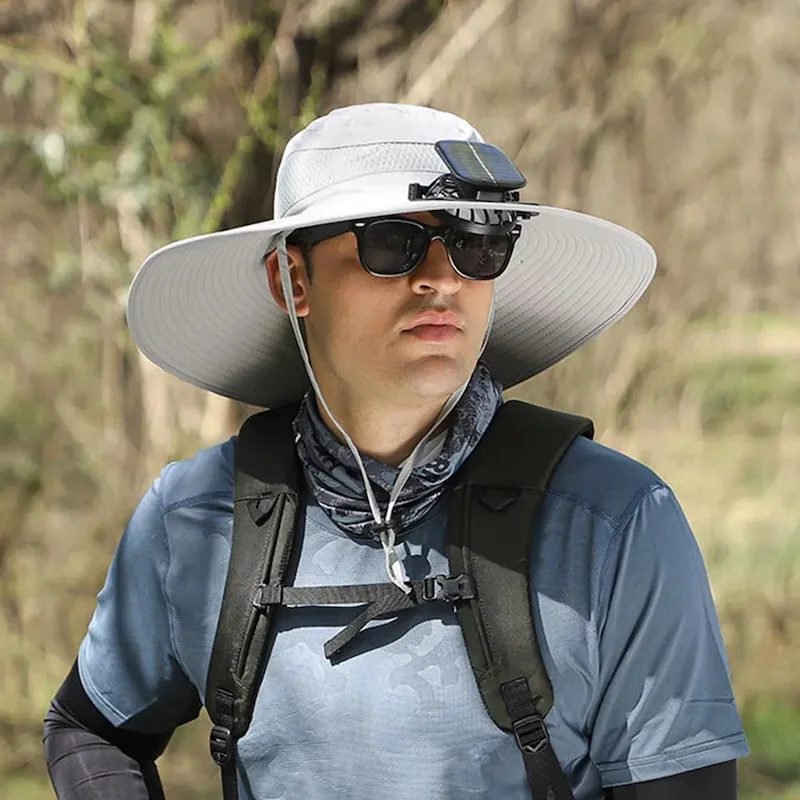
The effectiveness of a sunscreen hat is measured using the UPF (Ultraviolet Protection Factor) rating system. This scale indicates how much UV radiation can penetrate the fabric:
- UPF 15–24: Good protection
- UPF 25–39: Very good protection
- UPF 40–50+: Excellent protection
UPF ratings are determined through laboratory testing and consider factors such as:
- Fabric density and weave tightness
- Color depth (darker colors absorb more UV rays)
- Material type (synthetic blends vs. natural fibers)
- Moisture content (wet fabric may reduce protection)
- Stretch and coverage area (how much skin the hat shields)
A UPF 50+ rated hat blocks over 98% of UV rays, offering comparable protection to high SPF sunscreen—but without the mess or need for reapplication.
Types of Sunscreen Hats for Men
Baseball Caps with UPF Protection – Casual and Sporty
Baseball caps remain one of the most popular types of sunscreen hats due to their familiar shape, comfort, and ease of wear. Many modern versions now include UPF-rated fabric, offering protection while maintaining a sporty aesthetic.
Key features:
- Curved brim for eye and nose protection
- Adjustable straps or snapbacks for universal fit
- Breathable mesh panels in trucker-style caps
- Quick-dry fabric for sweaty conditions
- Available in performance materials like nylon, polyester, and cotton blends
While they don’t cover the ears or neck, UPF-treated baseball caps are excellent for golf, running, biking, and everyday wear, especially when paired with facial sunscreen.
Wide-Brimmed and Bucket Hats – Maximum Coverage for Long Hours Outdoors
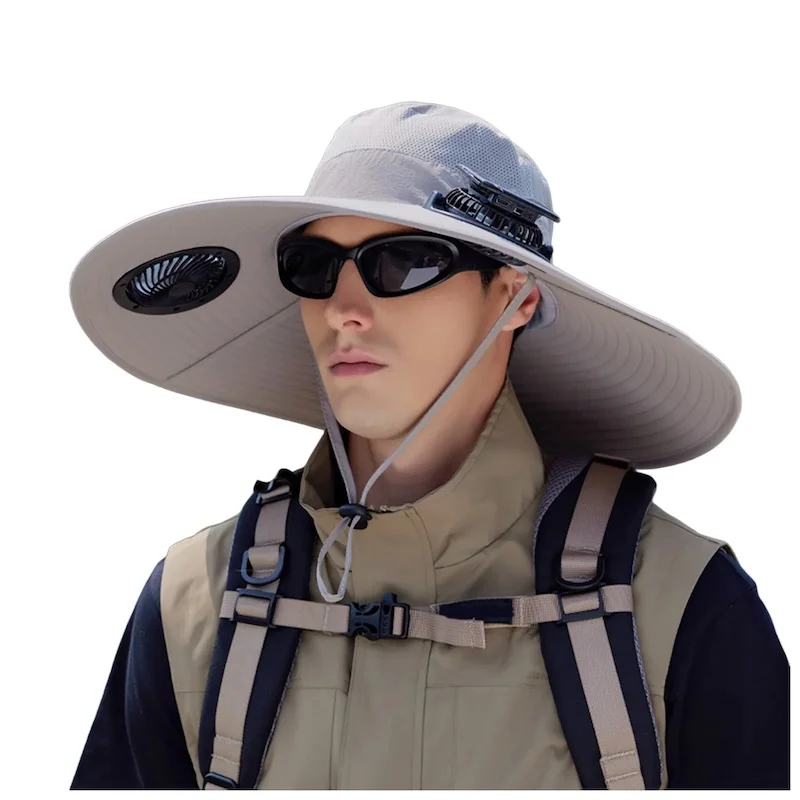
For those who spend extended time outdoors, wide-brimmed and bucket-style hats offer superior sun protection thanks to their larger surface area.
Popular options include:
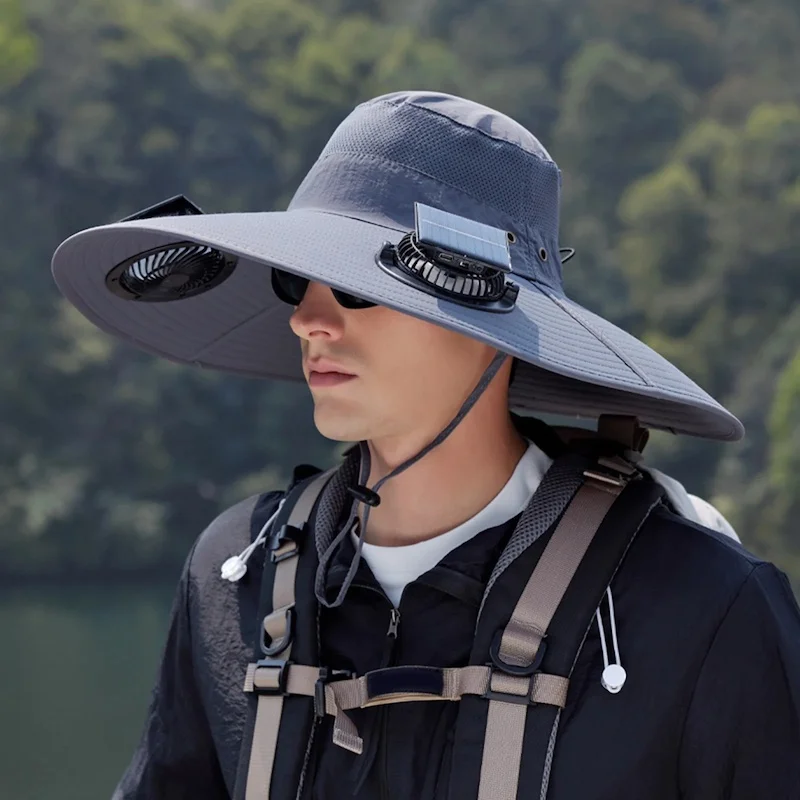
- Wide-brimmed sun hats: Brims typically 3 inches or wider, offering full facial and neck coverage
- Bucket hats: Soft brim design that covers the ears and back of the neck—ideal for beachgoers and anglers
- Trilby hats: Medium-brimmed with a slight curve, great for stylish yet functional wear
- Panama and fedora-style sun hats: Offer both elegance and broad sun protection
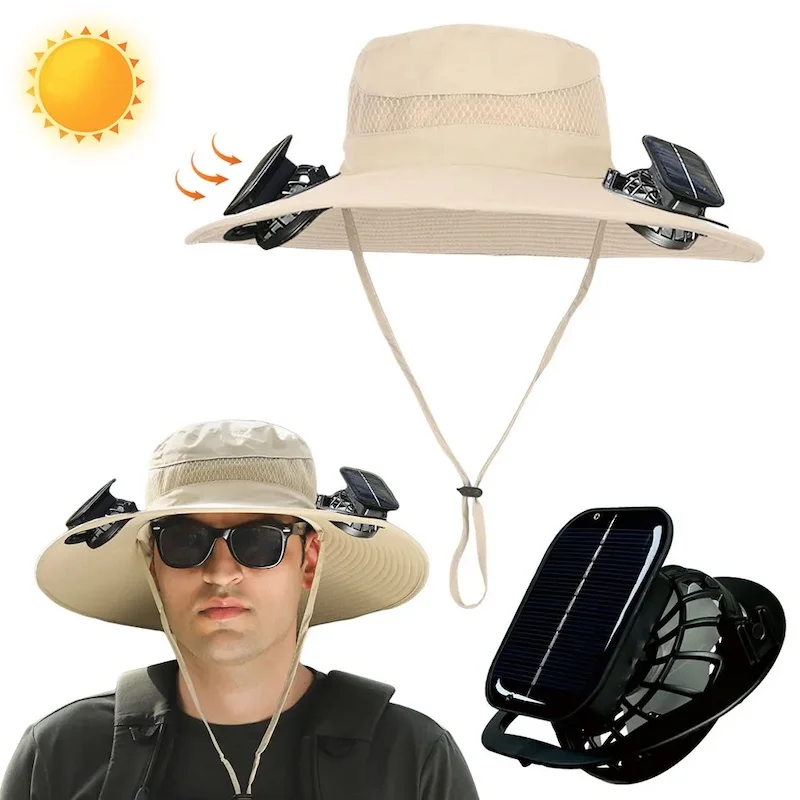
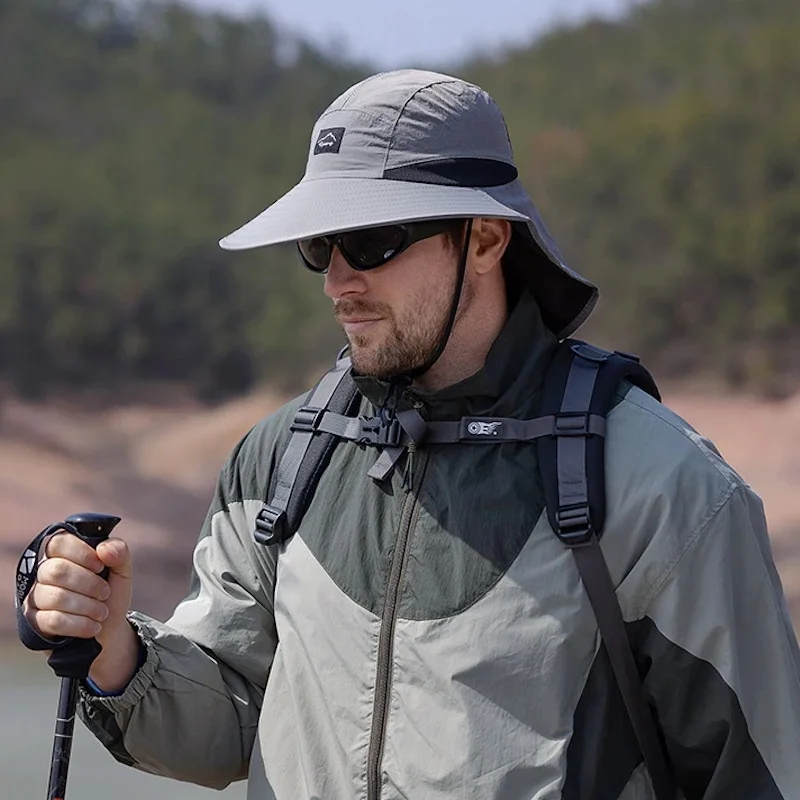
- Adventure and safari hats: Often feature flaps, chin straps, and multiple ventilation points
These styles are perfect for hiking, gardening, boating, and tropical travel, where prolonged exposure to sunlight requires enhanced protection.
Choosing the Right Sunscreen Hat Based on Your Needs
Matching Sunscreen Hats to Different Lifestyles and Activities
Your choice of sunscreen hat should reflect your daily routine, hobbies, and environment. Here’s how to match your hat to your lifestyle:
Sports Enthusiasts:
- Look for lightweight, breathable fabrics with moisture-wicking properties
- Choose adjustable fits and sweatbands for comfort during movement
- Opt for dark tones or camouflage patterns if aesthetics matter
Commuters and Urban Dwellers:
- Go for low-profile designs that blend with professional attire
- Consider foldable or packable options for easy storage in bags or briefcases
- Pick neutral colors like gray, navy, or black for versatility
Travelers and Adventurers:
- Prioritize packability and water resistance
- Look for chin straps or adjustable ties to prevent wind loss
- Choose extra-wide brims or UV-protected visors for remote areas with intense sun
Selecting a hat tailored to your lifestyle ensures optimal protection and comfort.
Face Shape and Fit Considerations
Just like sunglasses or hairstyles, the way a hat sits on your head can significantly impact its appearance and function.
Face shape guidelines:
- Round Faces: Choose structured crowns and angular brims to elongate the face
- Square Faces: Softer shapes like fedoras or bucket hats help balance strong jawlines
- Oval Faces: Most hat styles work well; focus on proportion and personal style
- Long Faces: Wider brims and lower crowns create visual balance
- Heart-Shaped Faces: Medium brims and open crowns complement forehead prominence
Fit considerations:
- Head circumference measurement: Use a flexible tape measure around the widest part of your head
- Adjustable vs. fixed sizing: Adjustable hats offer flexibility, while fitted ones provide a cleaner look
- Comfort lining: Breathable inner bands prevent irritation and improve all-day wear
Getting the right fit enhances both comfort and confidence—making it easier to wear your hat consistently.
Materials and Fabric Technologies in Sunscreen Hats
Common Materials Used in Sunscreen Hats
The material of a sunscreen hat plays a critical role in its protection level, breathability, and durability.
Common fabric types:
- Polyester and Nylon Blends: Lightweight, quick-drying, and highly UV-resistant
- Tightly Woven Cotton: Offers moderate protection and soft feel
- Synthetic Performance Fabrics: Include moisture-wicking and anti-microbial properties
- Straw Weaves with UV Treatment: Traditional style combined with sun safety
- Hemp and Organic Cotton: Eco-friendly options gaining popularity among conscious consumers
Each material has its pros and cons—whether it's breathability, weight, or sustainability, there's a fabric to suit every preference.
UPF Ratings Explained – What You Need to Know
UPF ratings indicate how effectively a fabric blocks UV radiation. A UPF 50 hat allows only 1/50th (2%) of UV rays to pass through, offering exceptional protection.
Factors affecting UPF:
- Weave Tightness: Dense weaves block more UV than loose ones
- Color Depth: Darker colors absorb more UV than lighter shades
- Stretch: Stretched fabric reduces protection
- Wetness: Some fabrics lose UPF when damp
- Condition: Worn-out hats may offer less protection over time
When choosing a hat, always check for UPF 30 or higher, with UPF 50+ being ideal for maximum sun defense.
Make Sunscreen Hats Part of Your Sun-Smart Routine
Men's sunscreen hats aren’t just trendy—they’re smart investments in your long-term health and comfort. With UV radiation being a leading cause of skin cancer, premature aging, and eye strain, wearing a UPF-rated hat becomes more than a fashion statement—it’s a preventative health habit.
By understanding the science behind UPF ratings, exploring different styles, and selecting a hat that suits your lifestyle, you can enjoy the outdoors with greater confidence and safety.