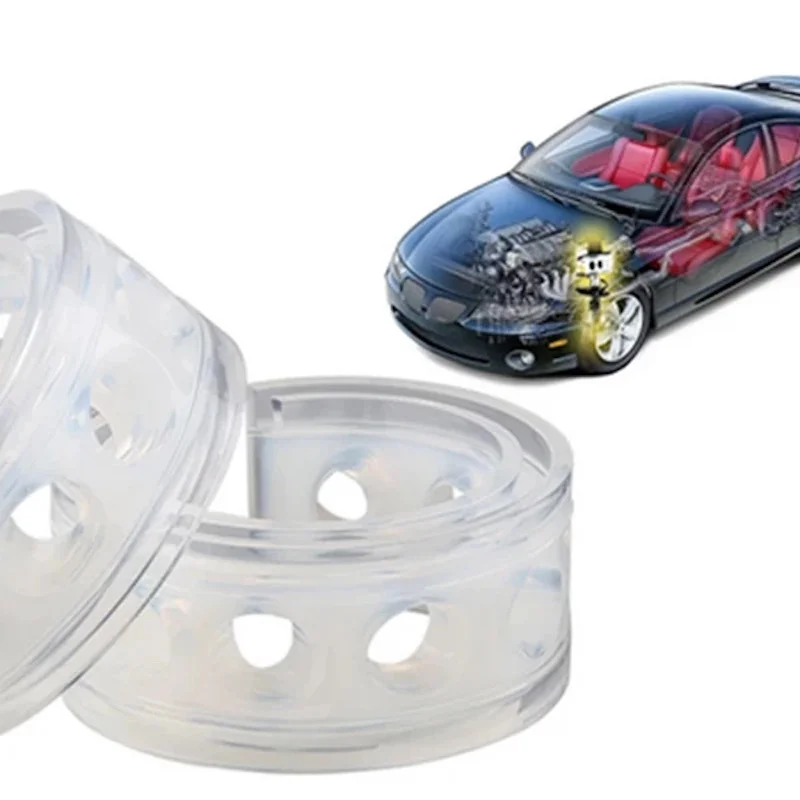
What Are Shock Absorbing Bumpers?
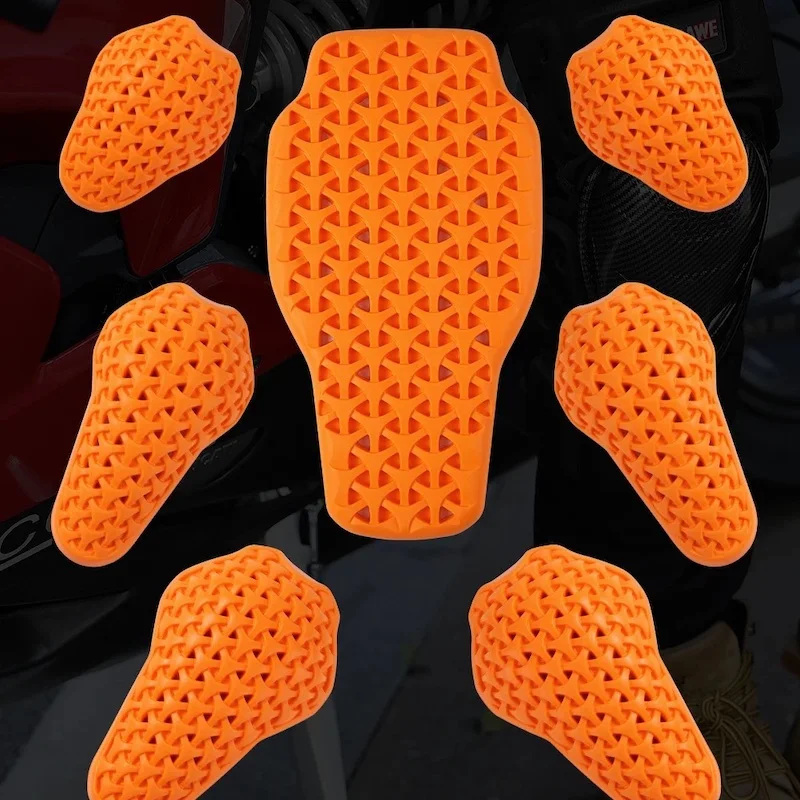
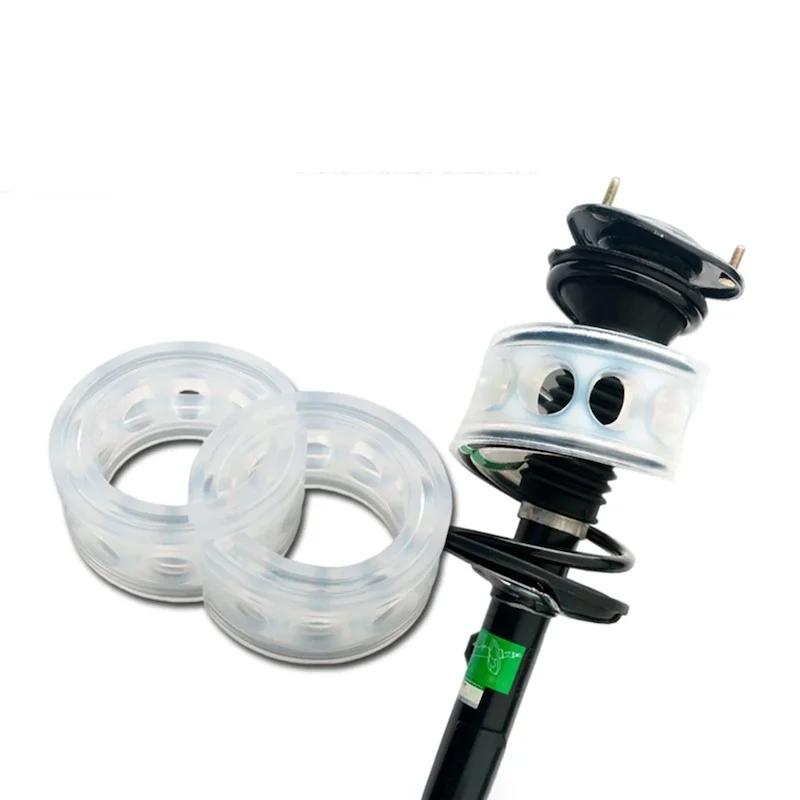
Shock absorbing bumpers are specialized impact-absorbing components designed to protect structures, vehicles, machinery, and people from damage caused by collisions or sudden impacts. These bumpers utilize elastic, compressible, or energy-dissipating materials to absorb kinetic energy and reduce the force of impact. Unlike rigid barriers that reflect force back into the system, shock absorbing bumpers dissipate energy through deformation, compression, or controlled rebound.
Commonly found in automotive design, industrial equipment, robotics, construction sites, marine docks, and even consumer electronics, these bumpers serve as a crucial line of defense against wear, damage, and safety hazards. Their presence helps extend the lifespan of machines and structures while minimizing maintenance costs and downtime.
From rubber fenders on ships to foam-lined corners in warehouses, shock absorbing bumpers come in various forms tailored to specific applications, all with the same goal: reducing the harmful effects of impact.
Why Shock Absorbing Bumpers Are Essential for Safety and Efficiency
The importance of shock absorbing bumpers extends far beyond simple cushioning—they play a vital role in enhancing safety, preserving assets, and optimizing operational efficiency across industries. Here’s why they are indispensable:
- Impact Reduction: By absorbing and distributing collision forces, these bumpers prevent structural damage and mechanical failure.
- Noise Dampening: They help minimize noise pollution caused by repeated contact between moving parts or equipment.
- Safety Enhancement: In environments where humans interact closely with machinery—such as factories or hospitals—bumpers provide an added layer of protection against injury.
- Asset Preservation: Reducing impact damage prolongs the life of equipment, vehicles, and infrastructure, saving repair and replacement costs.
- Compliance with Regulations: Many industries have safety standards requiring protective measures like bumpers to meet occupational health and safety regulations.
Whether used in a car's front bumper or along the edge of a loading dock, shock absorbing bumpers ensure smoother operations, reduced risks, and enhanced durability in high-impact zones.
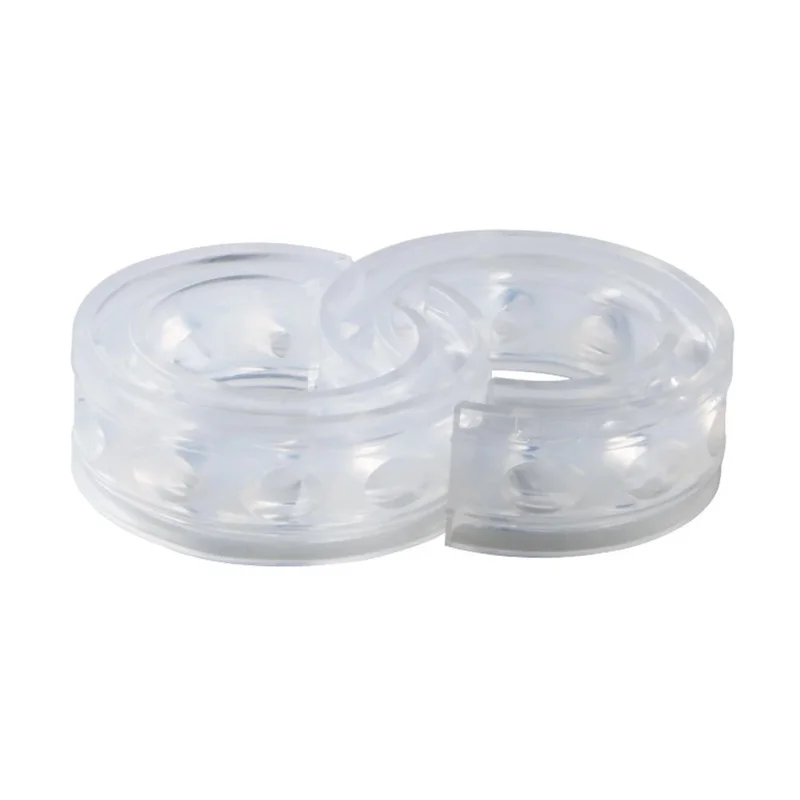
Types of Bumpers – Understanding Your Options
Rubber and Polyurethane Bumpers – Classic Materials with Proven Performance
Rubber and polyurethane bumpers are among the most commonly used types due to their excellent elasticity, durability, and cost-effectiveness. These materials are known for their ability to deform under pressure and return to their original shape, making them ideal for repetitive impact scenarios.
Key features include:
- High Energy Absorption: Both rubber and polyurethane offer superior impact resistance and vibration damping.
- Weather Resistance: Especially true for UV-stabilized and weather-resistant compounds, making them suitable for outdoor use.
- Customizable Hardness (Durometer): Available in varying levels of firmness to suit different impact requirements.
- Cost-Effective: Compared to more advanced materials, rubber and polyurethane bumpers are affordable and widely available.
These bumpers are extensively used in automotive manufacturing, conveyor systems, warehouse shelving, and industrial robots where moderate impact absorption is required.
Foam and Gel-Filled Bumpers – Lightweight Solutions for Sensitive Environments
Foam and gel-filled bumpers offer a softer yet highly effective means of shock absorption, especially in environments where delicate surfaces or lightweight objects are at risk of damage.
Characteristics of foam and gel bumpers:
- Lightweight Construction: Ideal for portable devices, medical equipment, and furniture.
- Non-Marking Surface: Prevents scuffing or scratching on floors, walls, and other surfaces.
- Energy Dissipation: Foam and gel materials spread out impact over a larger area, reducing peak forces.
- Thermal and Electrical Insulation: Useful in electronic enclosures and sensitive machinery.
These bumpers are often seen in healthcare facilities, schools, homes, and retail spaces where aesthetics, safety, and surface protection are top priorities.
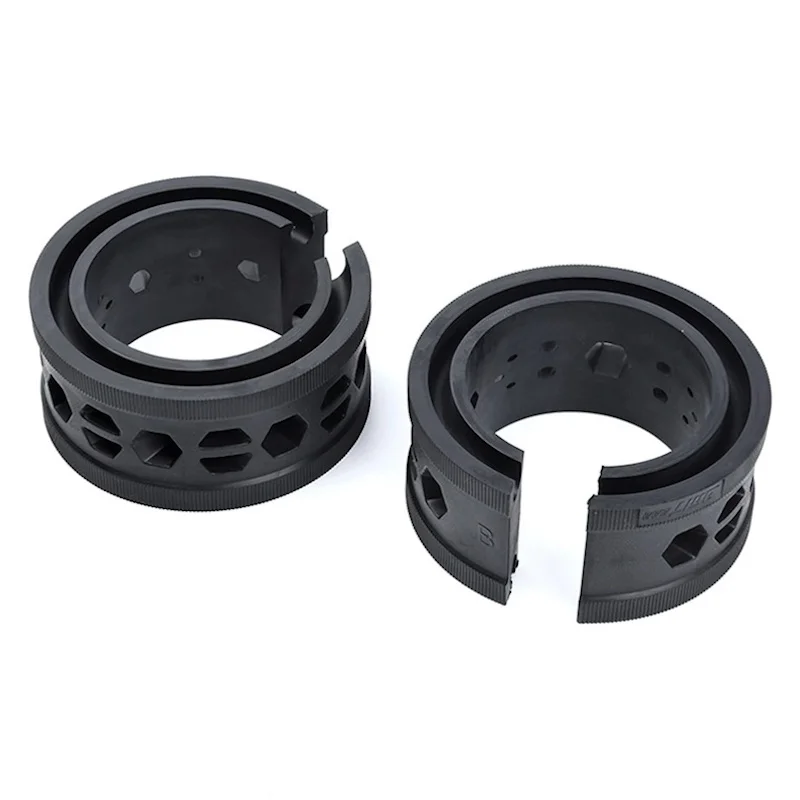
Advanced Materials and Technologies in Bumpers
High-Density Elastomers and Composite Bumpers – For Heavy-Duty Industrial Use
For applications involving heavy machinery, transportation, or frequent high-force impacts, high-density elastomers and composite bumpers offer superior performance. These materials combine the flexibility of rubber with the strength of reinforced polymers or metals to create bumpers.
Advantages include:
- Superior Load Capacity: Capable of handling high-speed or high-mass impacts without permanent deformation.
- Chemical and Abrasion Resistance: Suitable for harsh environments such as chemical plants, shipyards, and mining operations.
- Long Lifespan: Designed to endure thousands of impact cycles with minimal wear.
- Modular and Replaceable Designs: Some systems feature modular components that allow easy replacement of worn sections without replacing the entire unit.
These bumpers are commonly used in cranes, train buffers, loading docks, and large-scale logistics centers where durability and reliability are critical.
Smart Bumpers – Integrating Sensors and Adaptive Technologies
With advancements in smart materials and sensor technology, modern bumpers are evolving beyond passive protection into intelligent impact management systems.
Examples include:
- Sensor-Equipped Bumpers: Used in autonomous vehicles, drones, and robotic arms to detect proximity and trigger avoidance maneuvers.
- Adaptive Bumpers: Adjust stiffness and response based on real-time impact data, offering dynamic protection.
- Self-Healing Polymers: Experimental materials capable of repairing minor cracks or abrasions autonomously, extending service life.
- Energy Recovery Systems: In some industrial applications, bumpers are being developed to convert absorbed kinetic energy into usable power.
These innovations are paving the way for next-generation bumpers that not only protect but also enhance functionality and efficiency.
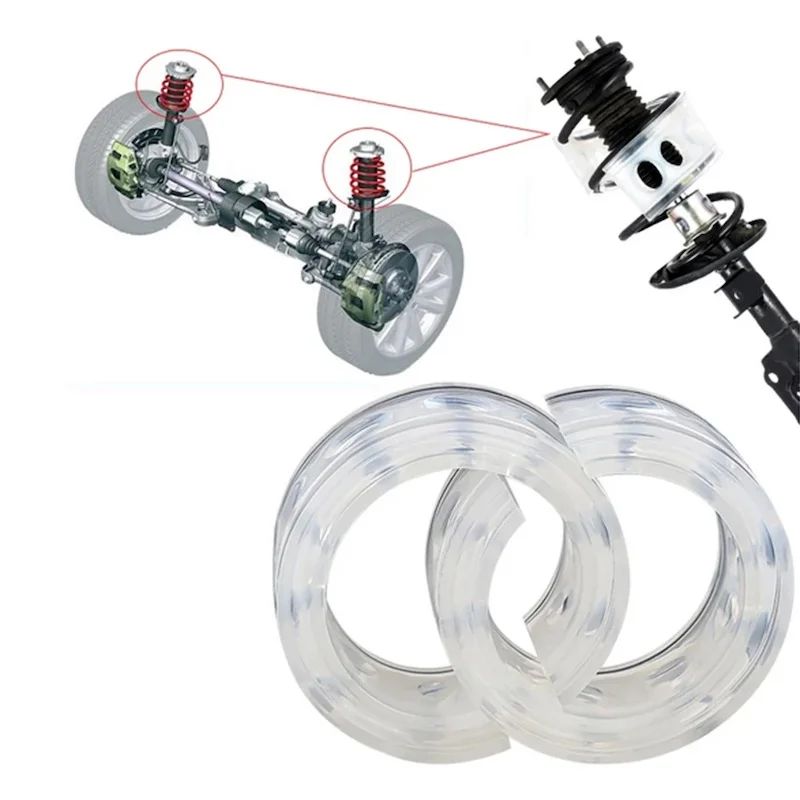
Applications of Bumpers – From Automotive to Industrial Uses
Automotive Industry – Protecting Vehicles and Passengers
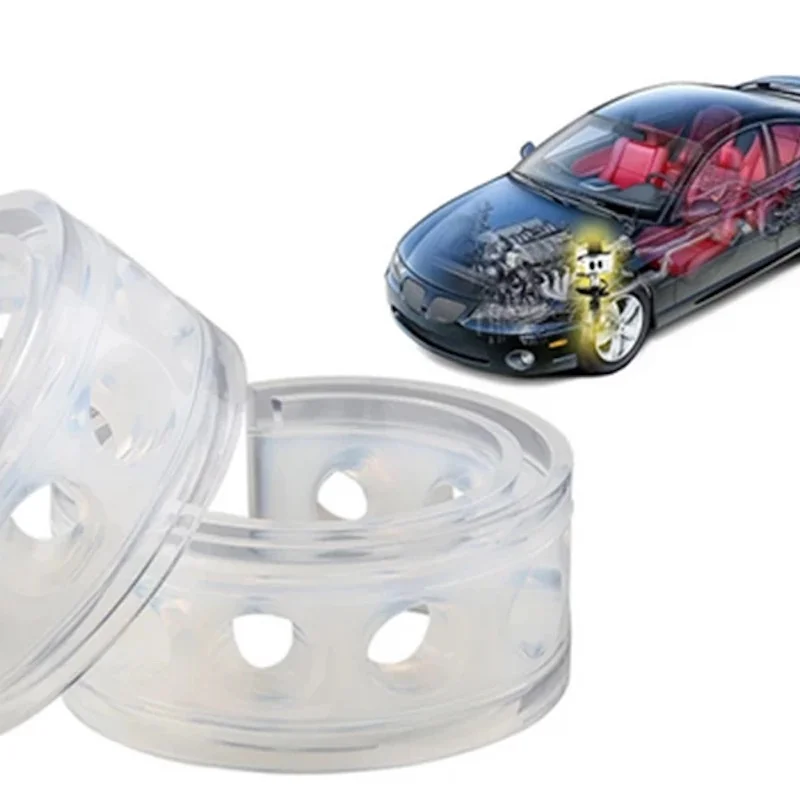
In the automotive sector, shock absorbing bumpers are a key component of vehicle crash management systems. Modern cars are equipped with bumpers made from plastic composites backed by foam, metal beams, or hydraulic dampers to absorb low-speed impacts and reduce repair costs.
Key applications include:
- Front and Rear Vehicle Bumpers: Designed to mitigate damage during parking mishaps or minor collisions.
- Crash Test Compliance: Bumpers must meet strict safety standards to protect pedestrians and reduce insurance claims.
- Off-Road and Commercial Vehicles: Heavier-duty bumpers with reinforced frames are used in trucks, buses, and off-road vehicles.
- Electric and Autonomous Vehicles: Bumpers integrated with sensors and radar systems to support driver-assistance technologies.
As vehicle designs evolve, so do bumpers—becoming smarter, lighter, and more adaptive to new driving realities.
Industrial and Logistics Environments – Safeguarding Equipment and Infrastructure
Industrial settings rely heavily on shock absorbing bumpers to protect expensive equipment, storage systems, and building structures from daily wear and accidental collisions.
Typical uses include:
- Warehouse Racking Protection: Installed on storage shelves and pallet racks to absorb forklift impacts.
- Loading Dock Bumpers: Positioned on truck docks to cushion delivery vehicles and prevent wall damage.
- Conveyor Belt Stops and Guards: Reduce wear and tear on automated material handling systems.
- Factory Floor Safety: Placed around machinery bases, columns, and corners to protect both workers and equipment.
These bumpers contribute to safer working environments, lower maintenance costs, and increased productivity in industrial operations.
Investing in Shock Absorbing Bumpers for Long-Term Safety and Cost Savings
Shock absorbing bumpers are more than just cushions—they are critical components that enhance safety, preserve assets, and improve operational efficiency across a wide range of sectors. Whether protecting a car from minor dents or safeguarding multi-million-dollar industrial equipment from damage, the right bumper makes all the difference.
From traditional rubber and foam models to cutting-edge smart bumpers, the evolution of shock absorbing technology continues to push boundaries. As industries embrace automation, electric mobility, and sustainability, the demand for advanced, eco-friendly, and intelligent bumpers will only grow.
By understanding the types, materials, and applications of shock absorbing bumpers, individuals and businesses alike can make informed decisions that lead to safer environments, longer-lasting equipment, and reduced maintenance expenses. So whether you're outfitting a factory floor, upgrading your car, or securing your home, investing in quality shock absorbing bumpers is a small step that yields big returns in safety and durability.