The “Extra Milk” Problem Most New Parents Don’t Expect
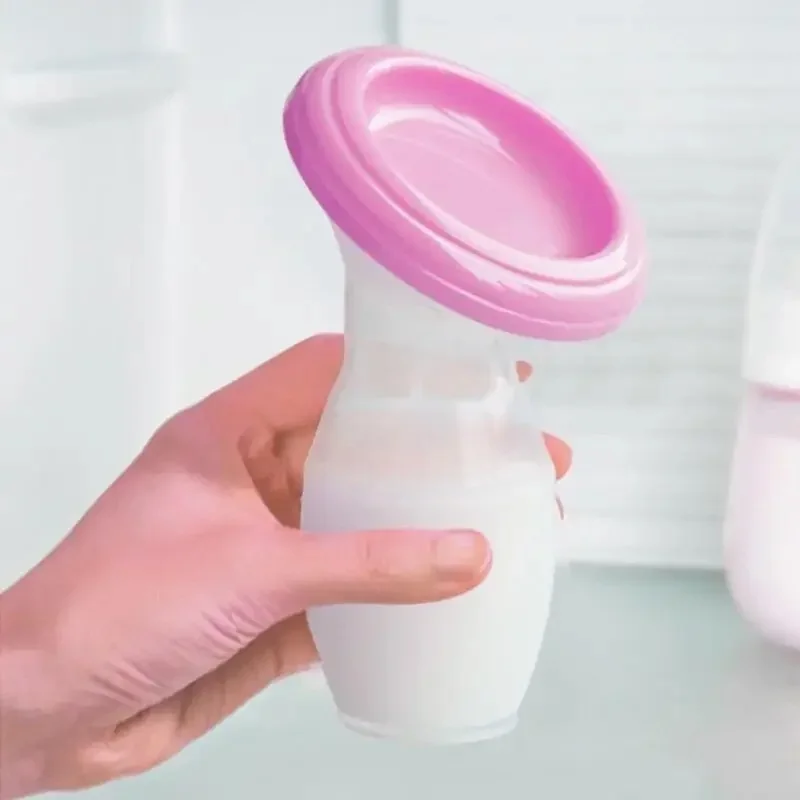
Milk supply tends to show up with its own surprises: leaking during letdowns, waking up to damp nursing pads, or realizing your baby only took one side while the other feels full and uncomfortable. For many breastfeeding parents, the early weeks are a constant balancing act—feeding on demand, trying to avoid engorgement, and figuring out how (or whether) to start a small freezer stash without turning feeding into a full-time pumping job. This is where the silicone breast pump enters the conversation. Often shaped like a soft, squeezable bottle with a flange that seals to the breast, it’s designed less like a “machine” and more like a passive milk catcher that uses gentle suction to collect milk while you nurse or when you feel full.
It’s a deceptively simple tool, but it has become popular because it fits into real life: you can catch milk that might otherwise be lost to a pad, relieve pressure without setting up an electric pump, and build a modest stash in a low-effort way. Still, the big question remains: is a silicone breast pump genuinely a better, easier option—or just another baby gadget destined for the back of a drawer? To answer that, it helps to understand how it works, what it’s good at, and where its limitations matter.
What a Silicone Breast Pump Actually Does (and Doesn’t)
A silicone breast pump is typically a single-piece, flexible pump that creates suction when you squeeze the base and release it against your breast. Unlike electric or manual piston-style pumps that use repeated cycles to mimic a baby’s suck-and-release rhythm, a silicone pump relies on steady, gentle suction. In practice, that means it excels at collecting milk that is already flowing—especially during a letdown triggered by nursing on the other side. Many parents use it like a “hands-free catcher”: attach it to the non-nursing breast and let it gather milk passively while the baby feeds. It can also be used briefly to take the edge off engorgement or to encourage a letdown before latching, especially if you’re feeling overly full and your baby is struggling to latch onto a firm breast.
What it generally doesn’t do as well is fully replace a primary pump for building or maintaining supply in situations that require strong, rhythmic stimulation—like exclusive pumping, increasing supply after a dip, or pumping at work to replace missed feeds. While some people can express a significant amount with silicone suction alone, outcomes vary widely based on anatomy, milk flow, timing, and comfort. Think of it less as a high-performance extractor and more as a simple tool to capture what your body is already offering. Used with realistic expectations, it can feel like an effortless way to “save” milk you didn’t have time or energy to pump.

Why Parents Love Them: Convenience, Comfort, and Low Mental Load
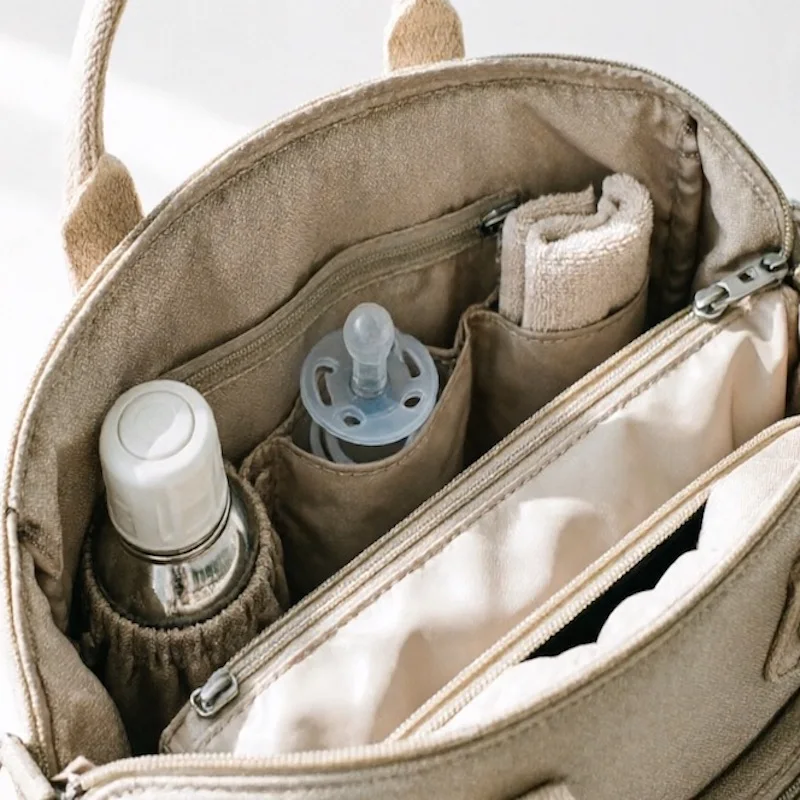
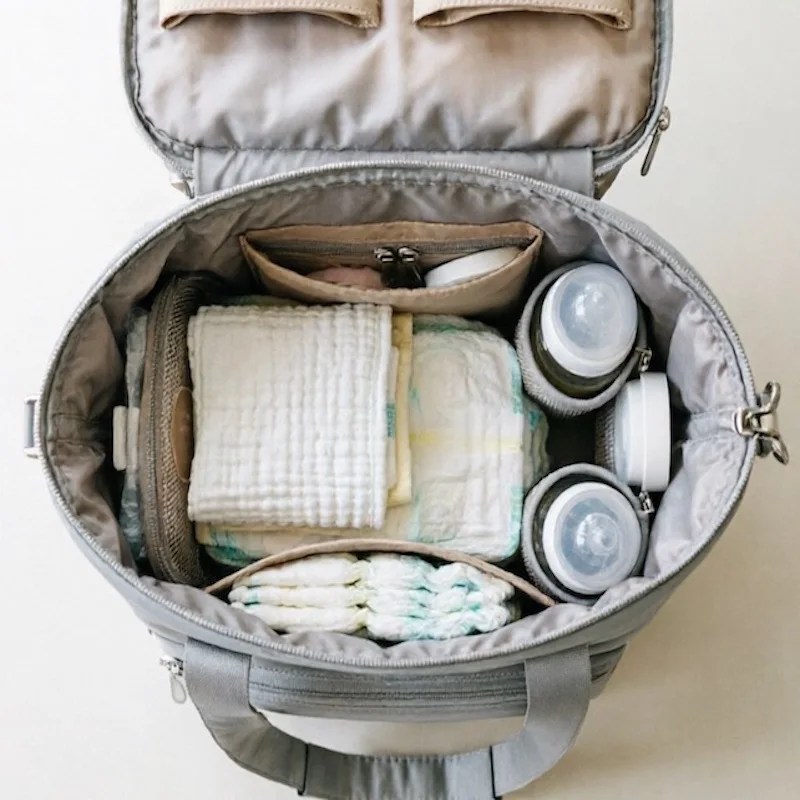
The biggest appeal of a silicone breast pump is the reduction in friction—no cords, no valves to assemble, no flanges to size with millimeter-level precision, and no learning curve with suction levels and cycle speeds. You can keep one next to your nursing spot and use it whenever you remember, which matters because new-parent life is rarely predictable. Many users appreciate that silicone pumps are quiet, portable, and easy to pack for travel or toss into a diaper bag. They’re also often gentler than stronger mechanical suction, which can be helpful if your nipples are sensitive in the early days. Another common use-case is the “one-sided feeder” phase: some babies prefer one breast per session, and a silicone pump on the other side can help you feel more comfortable while capturing milk that might otherwise leak.
Over time, a few ounces here and there can add up to a meaningful stash without scheduling separate pump sessions. There’s also a psychological benefit that doesn’t get talked about enough: saving milk can feel reassuring. When you’re not sure how feeding will go tomorrow—or you want a small backup for a caregiver bottle—collecting an extra ounce during a morning feed can feel like a tiny win. That said, convenience is only helpful when it’s also reliable, so the details of fit, positioning, and comfort matter more than most first-time users expect.
How to Use a Silicone Breast Pump Effectively (Without Frustration)
Using a silicone breast pump is straightforward, but small technique changes can make a big difference. Most people get the best results when they attach it during an active letdown—often a few minutes into nursing—because milk is already flowing. To apply it, you typically fold the flange back (if the design allows), squeeze the body to remove air, place the flange centered over the nipple, then release so it seals and suctions.
Positioning is key, too. If the pump is bumped by a wiggly baby, it can lose suction or spill—one of the most common complaints. Some parents nurse in a slightly more upright position, use a pillow to stabilize the baby, or choose nursing tops that help hold the pump in place. You can also look for versions with a wider base or use a secure band designed to hold collection pumps against the body.
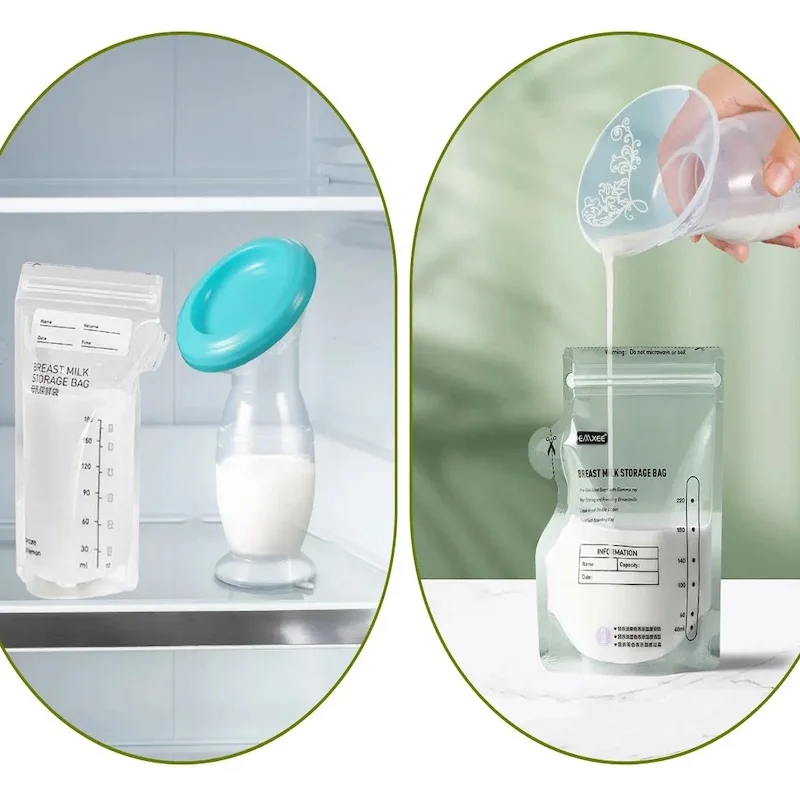
If you’re collecting milk across multiple short sessions, follow safe milk-handling guidance from reputable health sources and, when in doubt, label milk with date/time and store promptly. Cleaning is another area where silicone pumps shine: many are one-piece and easy to wash thoroughly, but always follow the manufacturer’s instructions regarding dishwashers, sterilizing, and temperature limits. Finally, pay attention to the bigger feeding picture. If you start collecting a lot of milk passively and notice oversupply symptoms—persistent engorgement, forceful letdown, baby coughing or sputtering at the breast.
Choosing the Right One: Small Features That Matter
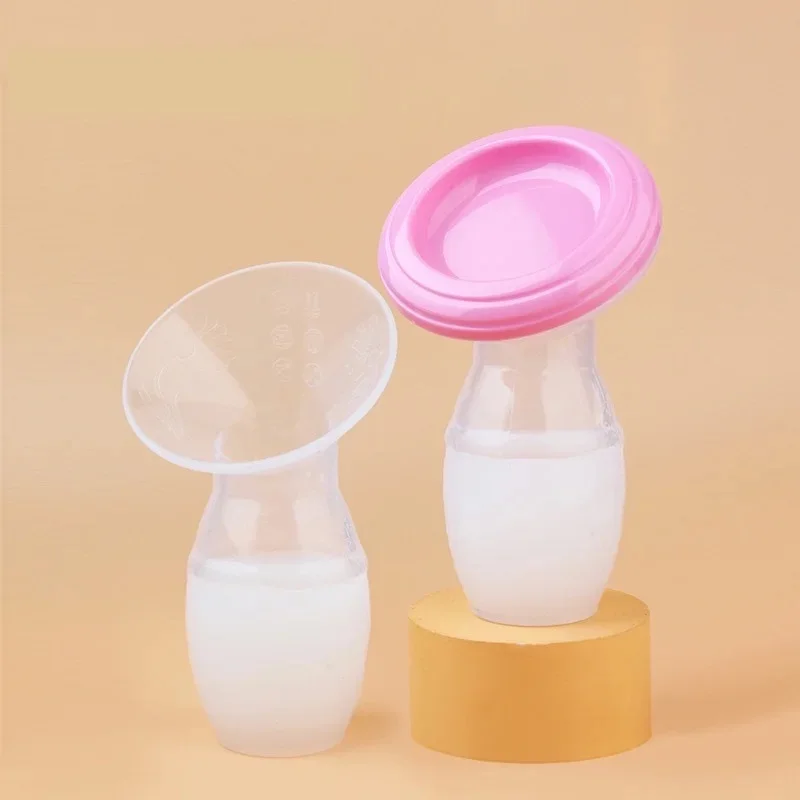
Not all silicone breast pumps feel the same. The flange shape and softness can affect comfort, and the base design matters for stability on a table. Some have stoppers or lids that reduce spill risk; others have a more rigid rim that holds suction better. If you plan to use it frequently, choose one that’s easy to pour from and doesn’t tip easily. If you mostly want it for occasional leakage, a compact, simple design may be enough. Price differences often come down to stability features, accessories, and brand reputation—not necessarily “better suction.” The best choice is usually the one you’ll actually use consistently and comfortably.
Is It Worth It? A Clear Way to Decide for Your Feeding Style
A silicone breast pump is worth considering if you breastfeed directly and want a low-effort way to catch letdown, relieve mild fullness, or build a small stash without committing to regular pumping sessions. It’s especially helpful during early postpartum weeks when leaking is common, when you’re feeding frequently, or when you’re trying to make breastfeeding feel simpler rather than more scheduled.

On the other hand, if you need to reliably replace feeds (for work, NICU needs, exclusive pumping, or supply-building plans), you may still want a traditional manual or electric pump as your primary tool, using the silicone pump as a helpful accessory rather than the main solution. The most balanced view is this: silicone breast pumps aren’t “magic,” but they are genuinely practical. They can reduce waste, add convenience, and make you feel a bit more in control—without asking you to plug in, measure settings, or carve out extra time. If your goal is to catch every drop you can during a regular nursing routine, a silicone breast pump may be one of the simplest, most cost-effective tools you can add to your breastfeeding kit.