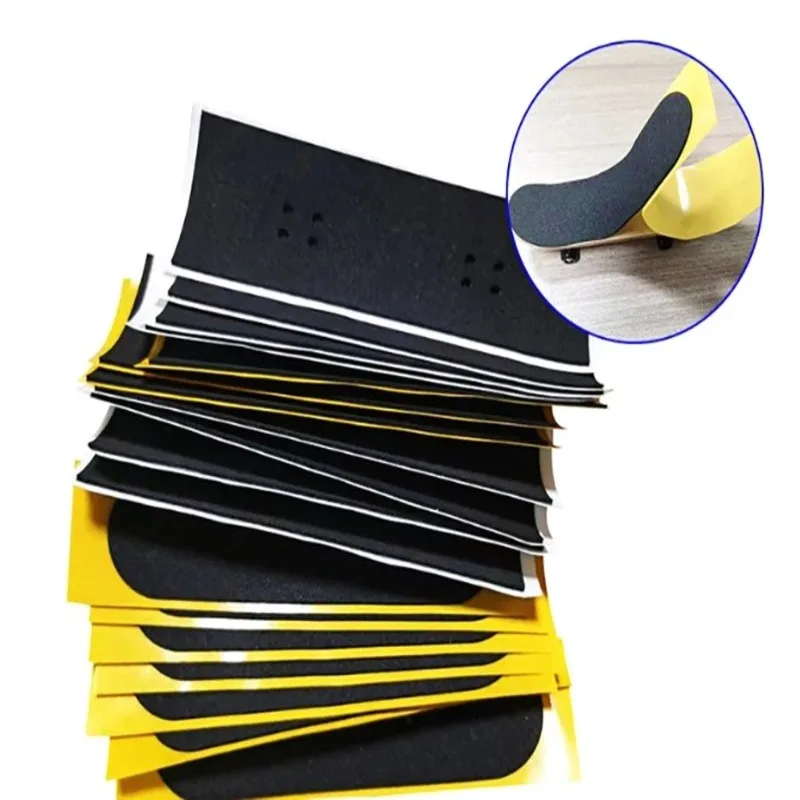
Skateboarding is as much about skill as it is about the equipment you ride. One often overlooked but essential component is your skateboard tape, also known as grip tape. This coarse, sandpaper-like layer applied to the top of your deck serves a critical purpose: it keeps your feet firmly in place while you perform tricks, turns, and speed maneuvers.
Keeping it in top condition is the key to ensuring a safe and responsive ride. If you’ve ever felt your shoes slipping unexpectedly during a landing, worn or dirty tape might be the culprit. In this article, we’ll explore how to maintain your skateboard tape so it delivers long-lasting, dependable grip, especially for skaters in the US market who experience varied climates and terrain.
Understand the Role of Tape
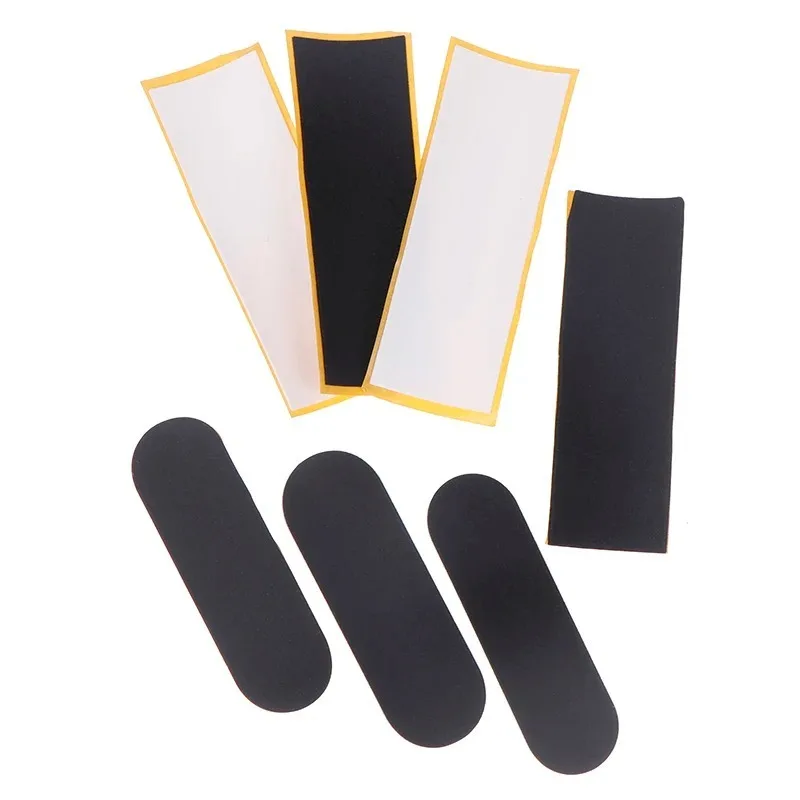
Before diving into care routines, it’s important to understand why skateboard tape matters so much. It provides traction between your shoes and the deck. Without it, your foot placement would be inconsistent, making tricks like ollies, flips, and slides harder to execute. It also contributes to safety by preventing your feet from slipping off unexpectedly.
Grip tape is made with durable adhesives and gritty surfaces, but even the toughest material wears down. Dirt, dust, and moisture weaken its hold and reduce the sharpness of its surface. In the US, skaters often ride in parks, streets, and coastal areas where environmental elements are diverse — sand near the beach, moisture in humid states, and dust in dry regions. Each environment affects tape lifespan differently.
Consistent maintenance will help your tape last months longer. It also saves you money, since replacing skateboard tape regularly without proper care can be costly. Understanding its role motivates skaters to keep it clean, intact, and grippy.
Cleaning Your Skateboard Tape Properly
The most important maintenance tip for skateboard tape is regular cleaning. Dirt and grime fill the gaps in the grit, reducing friction. Cleaning your tape restores its texture and makes it feel like new.
Start by using a dedicated grip tape cleaner or a piece of rubber grip cleaner, often called a “gum” block. Gently rub it over the tape to lift dirt from the surface. Avoid pressing too hard to prevent peeling the tape edges.
For stubborn dirt, use a soft wire brush or toothbrush with warm water. Dip the brush lightly, scrub in circular motions, and dry the board completely afterward. Never soak your skateboard; excess water can weaken the deck and loosen the adhesive under the tape.
In US urban areas, pollution from vehicle exhaust can cause buildup faster, so skaters there may need to clean grip tape weekly. In rural or coastal zones, sand and dust can be brushed off more easily but should still be removed often to preserve peak performance.
Inspecting for Wear and Tear
Cleaning alone is not enough — you must inspect for damage. Skateboard tape naturally wears at high-contact areas where you place your lead foot or perform frequent tricks.
Run your fingers lightly across the tape. If you notice smooth spots or edges lifting, that section has lost its grip. In many cases, small patches can be repaired with adhesive or by replacing only affected areas. Full replacement is necessary when more than half the tape has smooth zones.
Skaters in colder US states should check tape integrity after snowy or wet sessions, since moisture can weaken the bond to the deck. Heat can cause the adhesive to soften, so check for bubbling if you skate in hot climates like Arizona or Florida.
Regular inspection ensures that your skateboard tape is reliable during high-speed flips and jumps. Ignoring worn tape can lead to dangerous slips, especially for advanced tricks requiring precise footing.
Protecting Tape from Environmental Damage
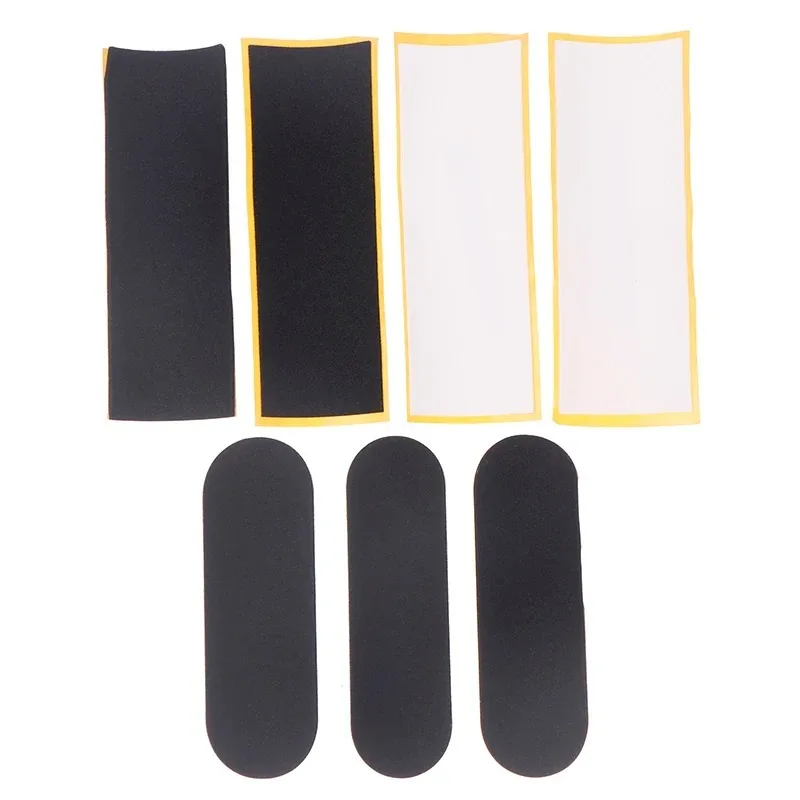
Environmental elements can shorten tape lifespan. The US climate varies widely, and your protection strategy should suit your local environment.
Avoid skating in heavy rain or snow. If moisture exposure occurs, dry the board immediately with a microfiber cloth. Store your skateboard in a cool, dry place instead of leaving it in a hot car or damp garage.
For coastal skaters, salt air can corrode hardware and damage adhesives beneath skateboard tape. Wipe the deck after seaside sessions and deep-clean weekly. In desert regions with fine dust, regularly brush the tape with dry tools to prevent clogging.
Some skaters add thin clear overlays to parts of the grip surface for extra defense. While this slightly reduces raw grip texture, it prolongs tape life if you often ride in damaging environments.
When and How to Replace Skateboard Tape
Even the most cared-for skateboard tape will eventually require replacement. Signs include significant smoothness over most of the deck, widespread lifting edges, or loss of adhesive.
Replacing tape involves removing the old layer carefully with a heat source like a hair dryer to soften glue. Peel it off slowly to avoid splintering the deck surface. Clean the deck thoroughly before applying a new sheet. Align the tape, press firmly, and trim the edges with a sharp blade.
Many US skaters personalize setups by choosing colored or patterned grip tape for replacement. You can also mix textures for different deck zones to optimize control. While replacement is a bigger job than maintenance, it restores fresh, reliable grip and can even inspire new tricks thanks to renewed confidence in foot placement.
Grip Routine for Longevity
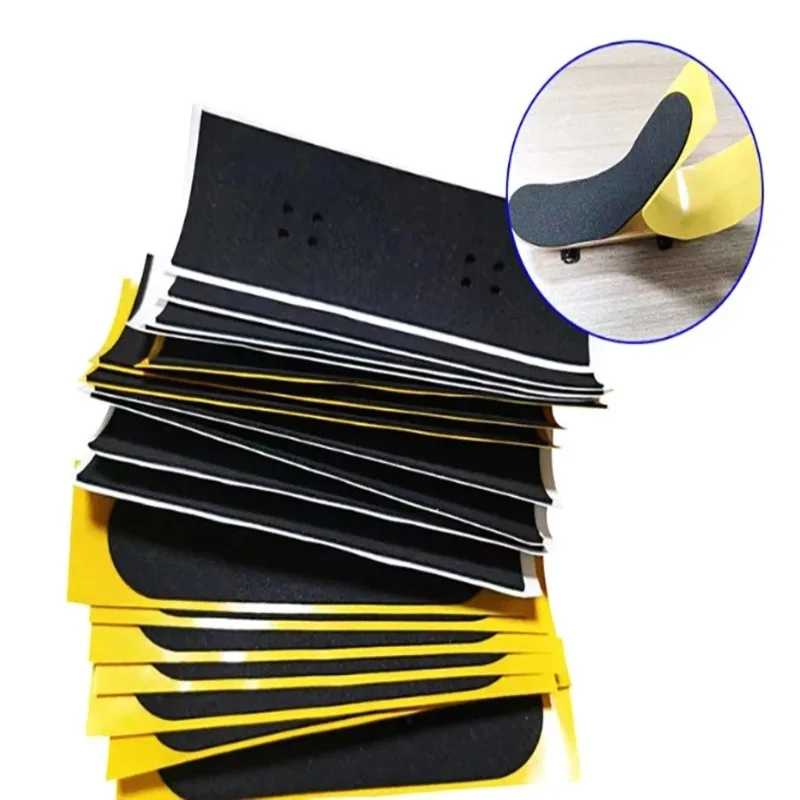
Think of skateboard tape like the soles of your shoes: it supports every movement, and care routines affect longevity. Get into the habit of brushing your tape after each riding session. After cleaning, inspect your deck and store it in an ideal environment.
Skaters who maintain tape tend to keep boards in better condition overall, extending the life of decks, trucks, and wheels. Consider keeping a small cleaning kit in your skate bag so you can tackle dirt buildup immediately. Regular attention prevents minor issues from becoming major replacements.
Final Thoughts
Your skateboard tape is the unsung hero of your ride. Consistent maintenance — cleaning, inspection, environmental protection, and timely replacement — keeps your grip strong for months at a time. In the US, where skating environments range from coastal boardwalks to urban skate parks, knowing how to care for grip tape is a valuable skill that boosts both performance and safety. Treat your tape well, and it will reward you with dependable control every time you step onto your deck.