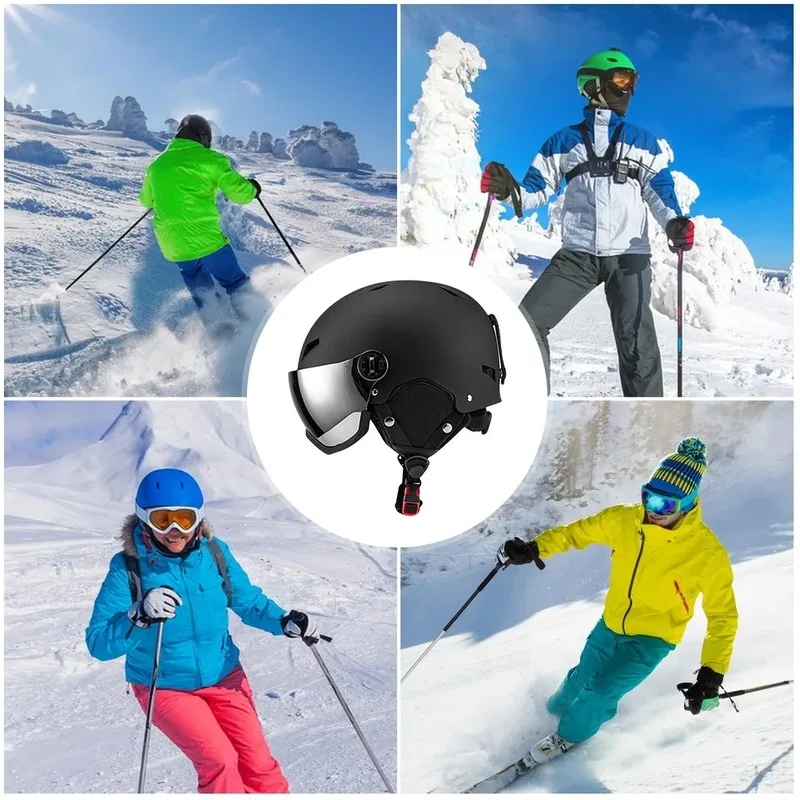
Snowboarding is one of the most exciting winter sports, combining speed, skill, and style. However, with the thrill comes the risk of falls, collisions, and unpredictable terrain changes. Whether you’re carving groomed pistes, riding the park, or exploring backcountry powder, head protection is non-negotiable. A snowboard helmet is your most important safety gear—it’s the difference between a minor spill and a serious injury.
Yet, not all helmets are created equal. From fit and construction to ventilation and extra features, there’s a lot to consider before you commit to a purchase. This guide will walk you step-by-step through the aspects that truly matter when choosing the right snowboard helmet, so you can ride with confidence knowing you’ve made the safest and smartest choice.
Safety Certifications: Your First Priority
The single most important factor in a snowboard helmet is its safety rating. In the United States, look for ASTM F2040 certification. In Europe, CE EN1077 is the common standard for snow sports helmets. These ratings mean the helmet has undergone rigorous impact testing, strap strength evaluation, and penetration resistance checks.
Why this matters: Helmets without certification might look protective, but they could fail under real-life impact conditions. Certified helmets give you objective assurance that they meet a recognized safety benchmark.
Many newer models feature MIPS technology (Multi-directional Impact Protection System), a low-friction layer inside the helmet designed to reduce rotational forces during angled impacts. Rotational forces can cause more serious brain injuries, so MIPS adds an extra safeguard.
Pro Tip: Check inside the helmet for certification stickers and manufacturing date—they confirm authenticity and give you an idea of the helmet’s lifespan. Helmets generally should be replaced every 3–5 years or sooner if they sustain a major impact.
Optimal Fit and Comfort for All-Day Wearing
A helmet only protects you if you wear it—and wearing it only happens if it’s comfortable. Fit is about more than just sizing; it’s also about adjustability, padding, and integration with other gear.
When assessing a snowboard helmet for fit:
- Sizing Systems: Many modern helmets include dial-fit systems that let you fine-tune the shape to your head.
- Padding: Removable and washable liners keep your helmet fresh and hygienic, and plush padding prevents hotspots.
- Chin Straps: Should be snug against your jaw but not restrictive.
- Helmet Shape: Different brands cater to different head shapes—some fit round heads better, others fit oval heads.
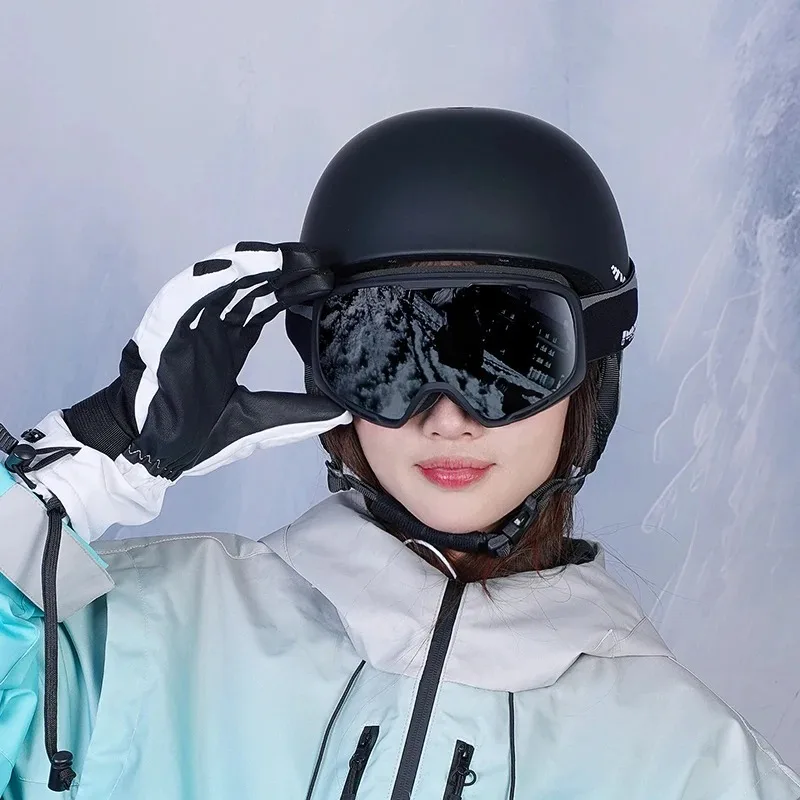
Comfort tip: Try your helmet on while wearing your usual snowboard goggles. There should be no gaps between the helmet and goggle top edge ("gaper gap"), which can let in wind and snow.
A well-fitting helmet should feel secure but allow you to shake your head comfortably without shifting or moving.
Ventilation: Controlling Heat and Fog
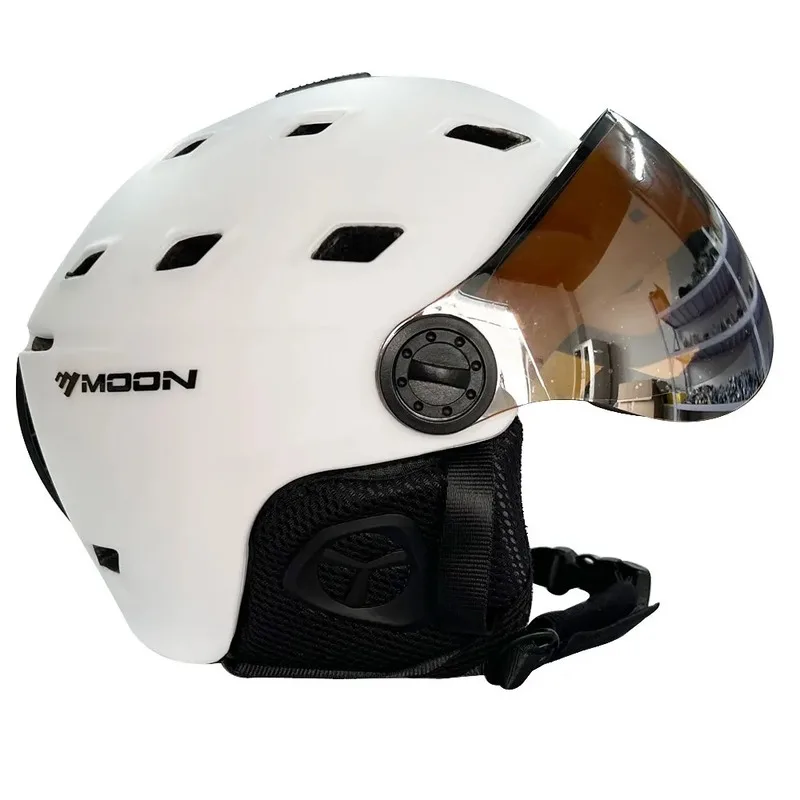
Snowboarding can be physically intense, and you’ll often face a wide range of weather conditions in a single day. Proper ventilation in your snowboard helmet keeps you from overheating and helps prevent goggle fogging.
Ventilation options to look for:
- Fixed Vents: Always open, offering continuous airflow—good for riders who prefer simplicity and lighter weight.
- Adjustable Vents: Allow you to open or close airflow channels depending on temperature and weather.
- Goggle Integration Systems: Channels that push warm air out through your goggles’ vents, reducing fog build-up.
Scenario Example: On a chilly morning, you might keep vents closed to retain warmth. As you hit the park under afternoon sun, opening them prevents sweaty discomfort and improves focus.
Effective ventilation not only improves comfort, but keeps your vision clear—making it a critical safety feature in addition to convenience.
Construction Types: Balancing Weight, Strength, and Cost
The build of your snowboard helmet determines durability and shock absorption. Two major construction types are available:
In-Mold Construction
- Lightweight, sleek profile.
- Outer shell fused directly to the shock-absorbing EPS foam liner.
- Great for resort riders or those prioritizing less bulk.
Hard-Shell Construction
- Tough ABS shell with separate foam liner.
- Enhanced durability against repeated minor impacts and rough handling.
- Preferred by park riders or beginners who expect occasional falls.
Hybrid Construction is also available, blending both approaches for all-round benefits.
Expert note: Weight matters more than you think. A heavier helmet may provide durability, but a lightweight one improves neck comfort during long riding days or tricks in the park.
Style and Aesthetic Choices
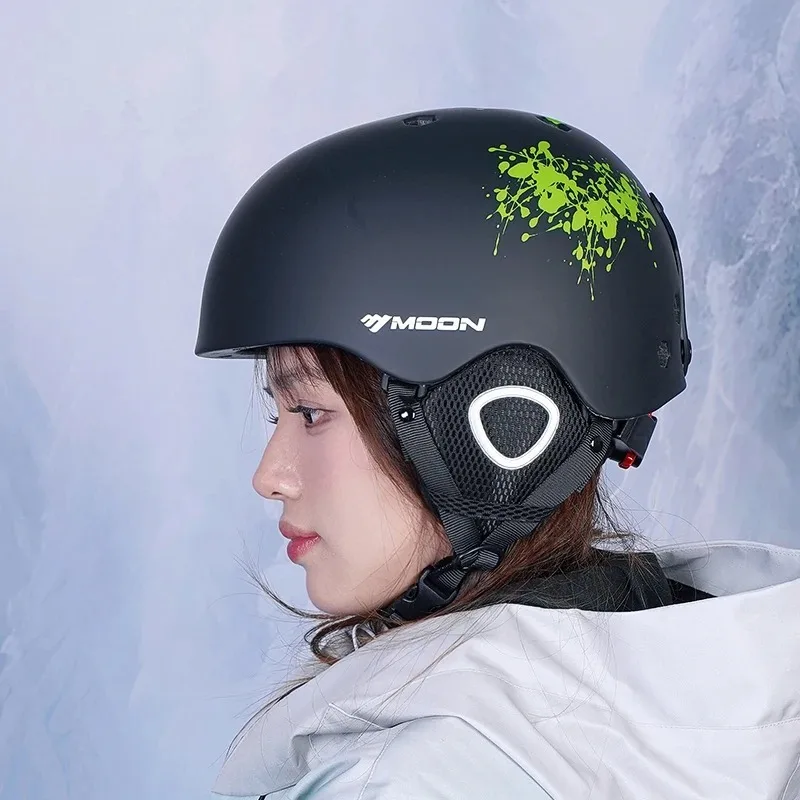
Safety comes first, but style still plays a role—after all, your snowboard helmet is part of your personal look on the slopes. Options range from minimal low-profile designs to bold graphics featuring your favorite brand or patterns.
Popular styles:
- Brimmed Designs: Offer extra sun and snow shielding for goggles.
- Brimless Helmets: Streamlined look that integrates easily with different goggles.
- Color Coordination: Matching your helmet to your board and jacket creates a seamless style statement.
The more you like your helmet’s style, the more likely you are to wear it religiously—which directly translates to safer riding habits.
Extra Features That Enhance Your Experience
Alongside essential protection, many snowboard helmets come loaded with convenience and tech features:
- Audio Integration: Built-in speakers or pockets for Bluetooth audio kits so you can enjoy music while riding.
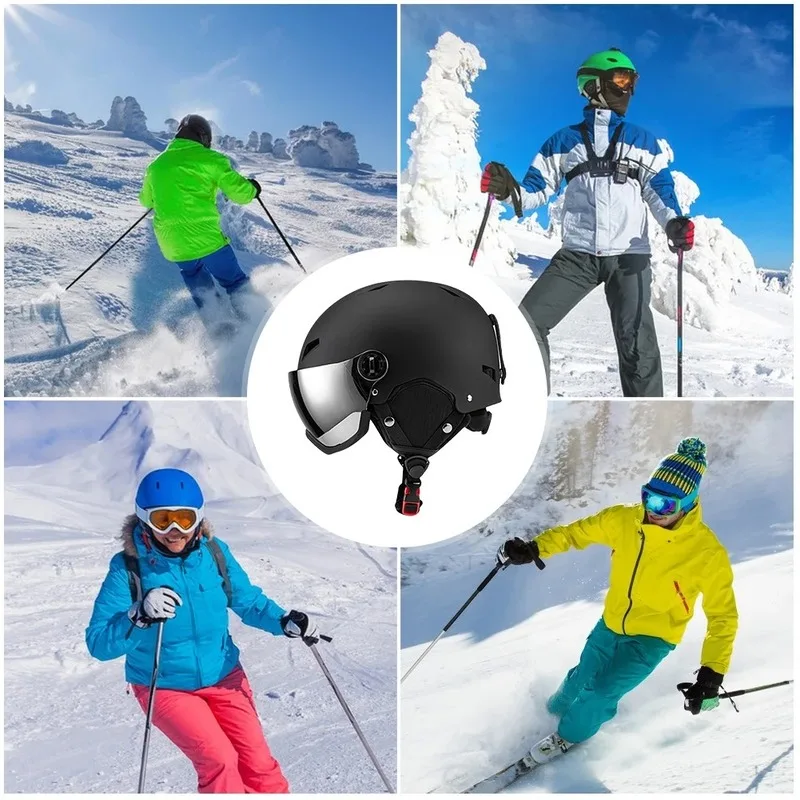
- Camera Mounts: For action cameras like GoPro, enabling hands-free video capture.
- Removable Ear Pads: Adapt to warm spring riding or cold midwinter days.
- Magnetic Buckles: Easy to fasten and release with gloves on.
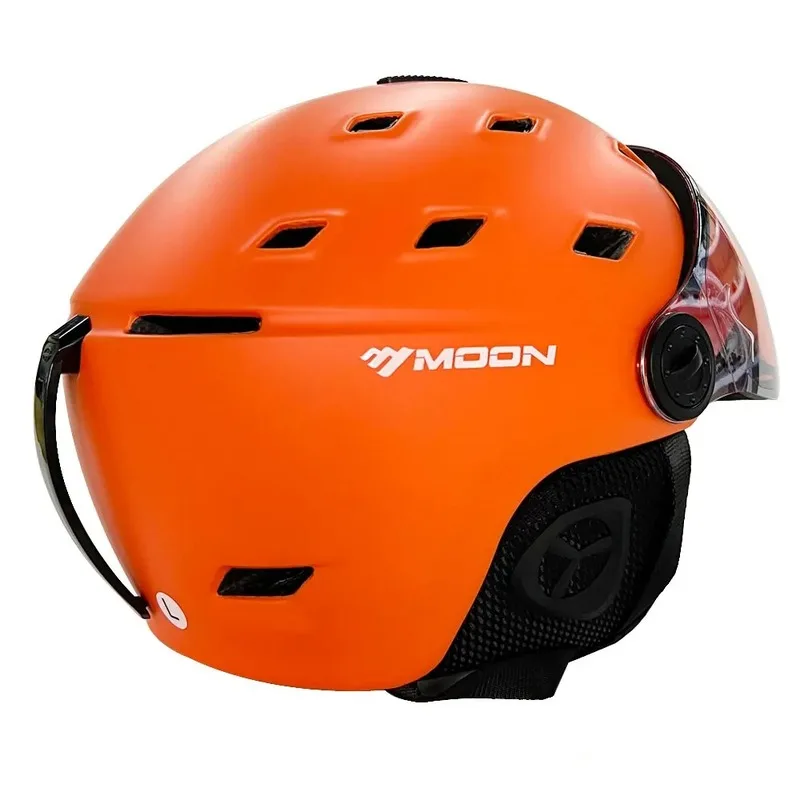
- Integrated Visors: Provide goggle-like protection without separate eyewear.
These extras aren’t mandatory, but they can significantly enhance comfort and enjoyment—especially if you spend many hours riding each season.
Price Range and Value for Money
A snowboard helmet is an investment in your safety. Prices vary widely, and while bargains may be tempting, cheap no-name helmets often lack rigorous testing.
General pricing tiers:
- Basic ($50–$80): Standard safety certification, minimal features.
- Mid-range ($100–$150): Better materials, improved ventilation, MIPS availability.
- Premium ($200+): Advanced safety tech, hybrid construction, high-end lining, and multiple customization features.
Choose the helmet that offers the best mix of protection, fit, and comfort within your budget. Remember: a high-quality helmet can last multiple seasons if you care for it properly, making it cheaper over time than replacing low-quality gear annually.
Maintenance and Lifespan Tips
Even the best snowboard helmet can’t protect you forever. They are designed to absorb one large impact—after that, the internal foam is compromised and should be replaced.
Care guidelines:
- Store in a cool, dry place.
- Avoid dropping the helmet onto hard surfaces.
- Clean liners regularly according to manufacturer instructions.
- Inspect straps, shell, and padding before every season.
Replace your helmet immediately after any crash with head impact, even if it looks fine externally. Hidden damage inside can compromise future performance.
Conclusion: Picking the Snowboard Helmet That Fits Your Riding
Choosing a snowboard helmet isn’t just about grabbing one that looks good. Safety certifications, fit, ventilation, and construction type are the foundation, while style, added features, and value fine-tune your choice.
By investing in a quality helmet, you ensure every run is backed by reliable head protection. You’ll ride longer, safer, and with more enjoyment when you’re confident in your gear.
Your snowboard helmet is more than an accessory—it's your essential shield against injury. Select thoughtfully, maintain it well, and it will serve as your trusted companion through seasons of adventure.