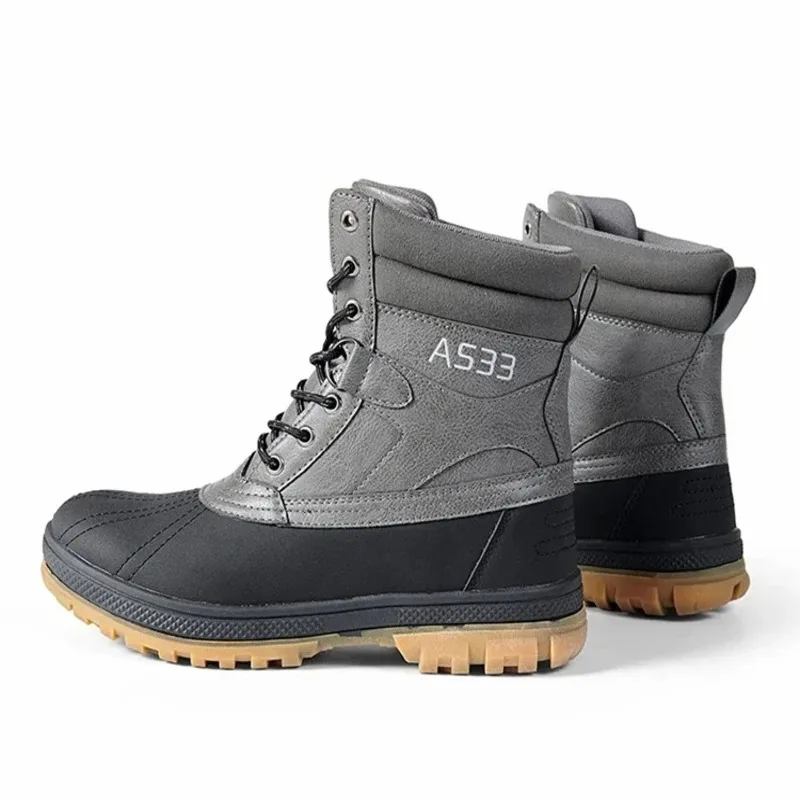
For anyone living in regions of the US that face freezing temperatures, icy streets, or heavy snow, picking the right footwear can make all the difference. Dry, warm feet aren’t just about comfort — they’re about health and mobility during winter months. That’s where waterproof snow boots come into play.
Poor boot choices can lead to wet socks, frostbite risks, and miserable winter experiences. However, with so many styles, materials, and brands on the market, selecting the perfect pair can be overwhelming. This guide breaks down everything you need to know, from construction and insulation to fit and style, so you can shop with confidence and keep your feet warm and dry all winter long.
Understanding Why Waterproofing Matters
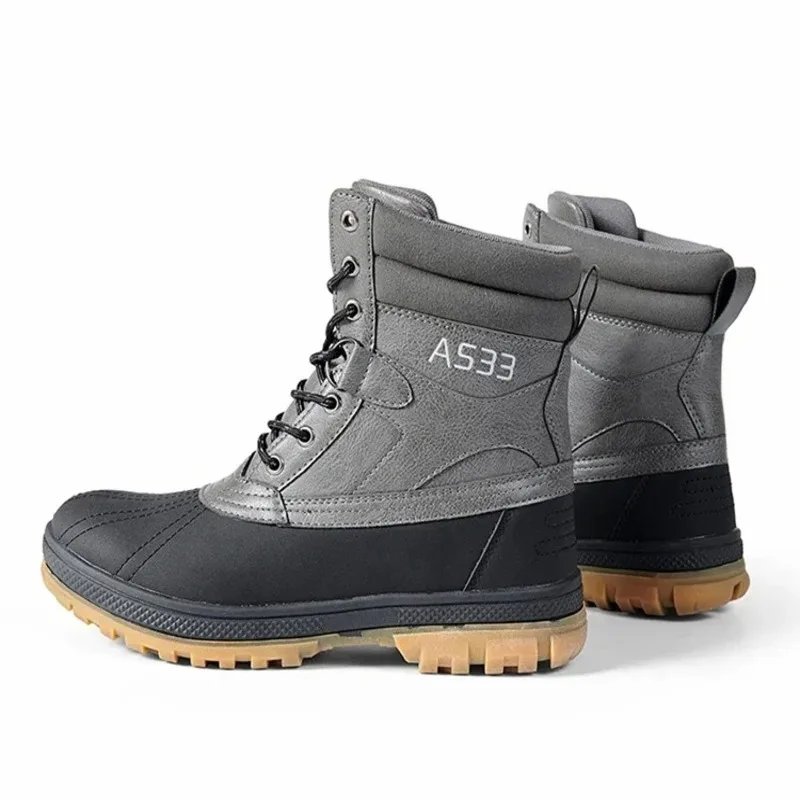
The defining feature of waterproof snow boots is in their ability to keep moisture out — whether it’s from melting snow, slushy sidewalks, or icy puddles. This is achieved through specialized materials and construction techniques that create a moisture barrier while still allowing breathability.
Wet feet lose heat up to 25 times faster than dry feet. In the US winter, that kind of heat loss can trigger discomfort or even dangerous conditions like frostbite. Waterproof boots prevent this by stopping melting snow or ice from seeping in, and quality designs also wick moisture away from inside the boot caused by sweat.
Common Waterproofing Methods
- Sealed Seams: Prevent water penetration at stitching points.
- Waterproof Membranes: Such as Gore‑Tex, providing both impermeability and breathability.
- Coated Materials: Leather or synthetic fabric treated with water-repellent finishes.
Choosing the Right Boot Height for Your Needs
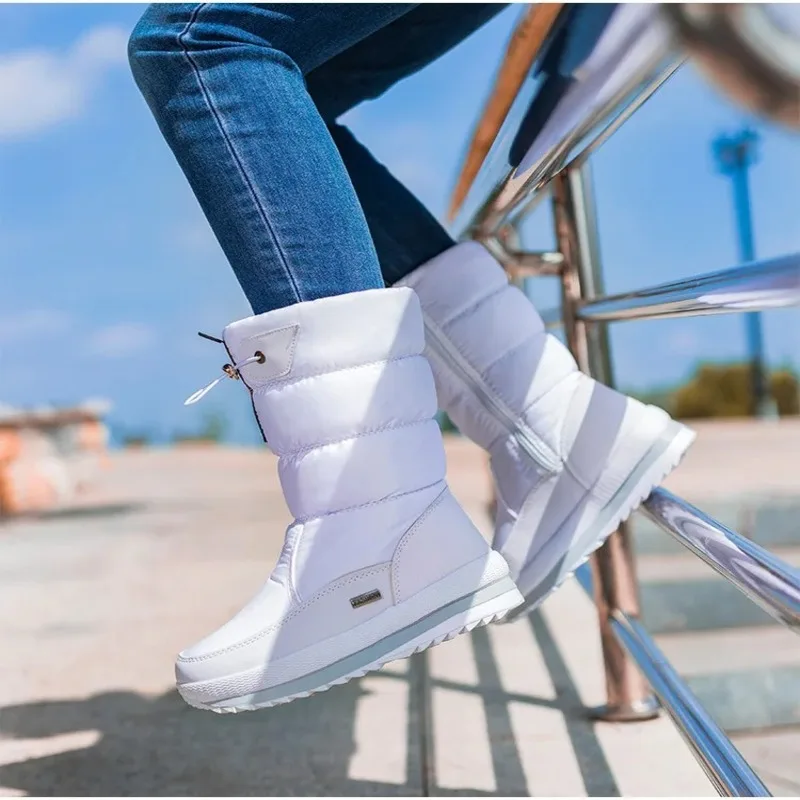
Height plays a big role in the performance of waterproof snow boots. A taller shaft — around mid‑calf or higher — offers more protection for deep snow, while ankle‑height boots are easier to walk in and suit lighter conditions.
In areas with heavy snowfall, a taller boot prevents snow from entering the top. However, taller designs are heavier and may limit maneuverability. For city dwellers who encounter cleared sidewalks or occasional slush, a mid‑height boot gives a good balance of protection and mobility.
Match Height to Activity
- Tall Boots: Great for hiking in deep snow, hunting, or prolonged outdoor work.
- Medium Height: Ideal for casual winter commuting.
- Ankle Boots: Best for short trips or indoor-to-outdoor transitions during mild winter weather.
Insulation Types and Warmth Rating
Warmth goes hand‑in‑hand with waterproofing. Even the best waterproof snow boots won’t keep your feet comfortable without proper insulation.
Common Insulation Types:
- Thinsulate™: Lightweight synthetic insulation that offers high warmth with low bulk.
- Shearling or Wool: Natural fibers with excellent heat retention and breathability.
- Felt Liners: Removable liners that trap warmth and can be dried separately.
Manufacturers often provide temperature ratings for their boots — for example, suitable down to ‑25°F. In US states like Minnesota or Alaska, pick boots with lower temperature ratings, while milder climates can use lighter insulation.
Layering Still Matters
Even with insulated boots, pairing them with moisture‑wicking socks can enhance warmth and prevent sweat buildup.
Material Choices for Durability and Comfort
Materials determine how your waterproof snow boots stand up to daily wear. Full‑grain leather offers durability and natural water resistance when treated, while nylon and synthetic blends tend to be lighter and more flexible.
Rubber sections, especially around the lower foot, are common for increased barrier protection. Inside, the lining — whether synthetic fleece, shearling, or felt — affects both comfort and heat retention.
US Climate Considerations
In wetter coastal states, prioritize synthetic outer materials that dry quickly between uses. In dry, frigid regions, leather can offer better long‑term durability with proper care.
Ensuring the Right Fit
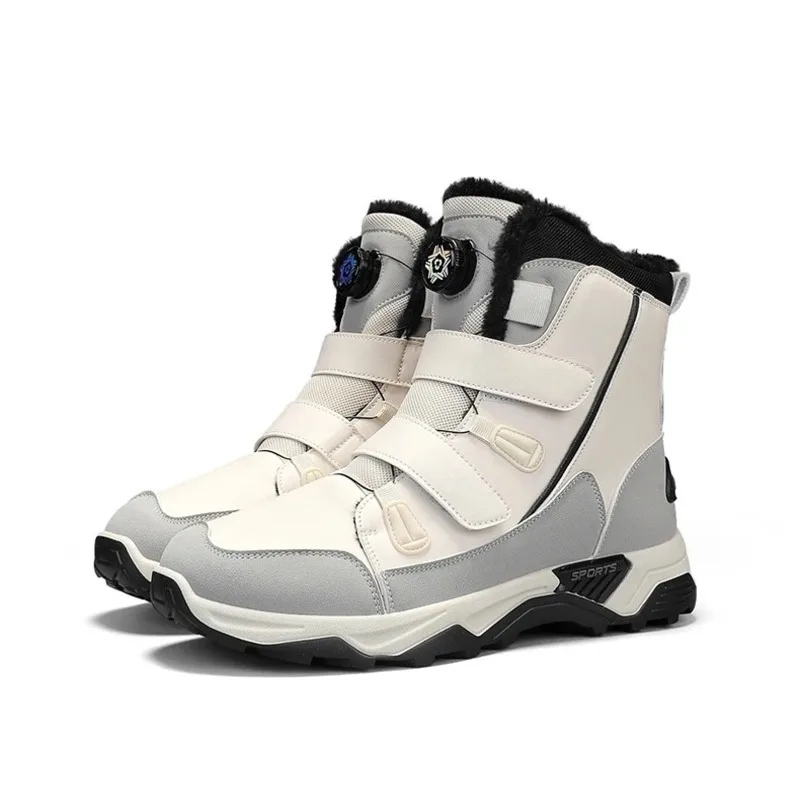
Fit is critical for waterproof snow boots because too much space can reduce warmth, and too tight a fit can limit blood flow.
When trying boots, wear the socks you intend to use most often in winter. Your toes should have enough room to wiggle without touching the front. Boots should fit snugly around the midfoot and heel to prevent slipping during movement.
Shopping Tip
In the US, many people size up by half to accommodate thicker winter socks — but only if the boot’s internal insulation makes this necessary.
Traction and Outsole Design
Waterproofing keeps you dry, but traction keeps you safe. The outsole design of waterproof snow boots affects grip on icy, wet surfaces.
Look for deep, multidirectional lugs that bite into snow and expel slush. Rubber compounds that remain flexible in freezing temperatures offer more stability than materials that become stiff when cold.
Performance Extras
Some premium boots include integrated mini‑crampons or compatibility with add‑on ice cleats for extreme conditions.
Style Versus Function
Today’s waterproof snow boots can deliver both performance and style. Brands offer sleeker urban designs that pair with jeans or trousers, alongside rugged performance boots designed for the outdoors.
For US buyers, it’s worth considering where you’ll wear them most. If your lifestyle involves daily commuting with indoor office time, you may want boots that look as good indoors as they perform outside.
Blending Looks and Utility
Many brands balance functional features like seam sealing with fashionable elements such as leather trims or decorative stitching.
Maintenance for Longevity
After investing in waterproof snow boots, maintain them to extend their life. Wipe down after use to remove salt and grime. Dry boots naturally — avoid direct heat sources which can damage waterproof membranes and crack leather.
Apply water‑repellent sprays as recommended, and periodically check seams and soles for signs of wear.
Storage Tip
In US climates with wet winters, store boots in a cool, dry place and use boot shapers to maintain their form. A guide to waterproof snow boots. Understand insulation ratings, traction features, and how to find the perfect pair for your needs.
Final Thoughts
A well-chosen pair of waterproof snow boots can transform winter from a season of discomfort to one of adventure. By understanding waterproofing methods, insulation types, fit, traction, and style options, you can find boots that match your local climate and personal needs.
For US residents facing winter’s icy grip, this blend of function and fashion ensures you stay dry, warm, and confident — whether you’re trekking through snow‑laden streets or tackling outdoor work in freezing conditions.