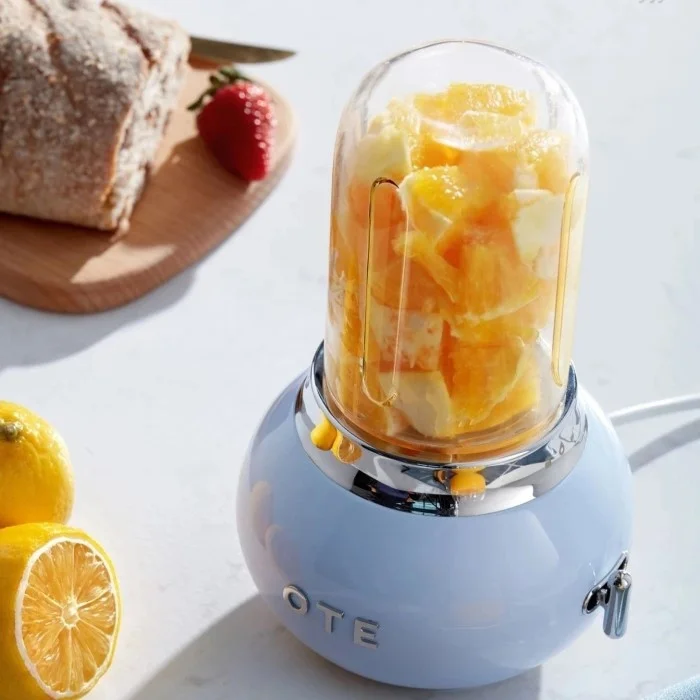
In today’s fast-paced world, kitchen appliances that save time and enhance efficiency are invaluable. Among these, the food processor stands out as a versatile tool that has transformed the way we prepare meals. Whether you're a novice home cook or a seasoned chef, understanding what a food processor is used for can elevate your culinary endeavors, making meal preparation quicker, easier, and more enjoyable. This article delves into the myriad functions of a food processor, exploring its various uses, features, and benefits that make it an indispensable asset in any kitchen.

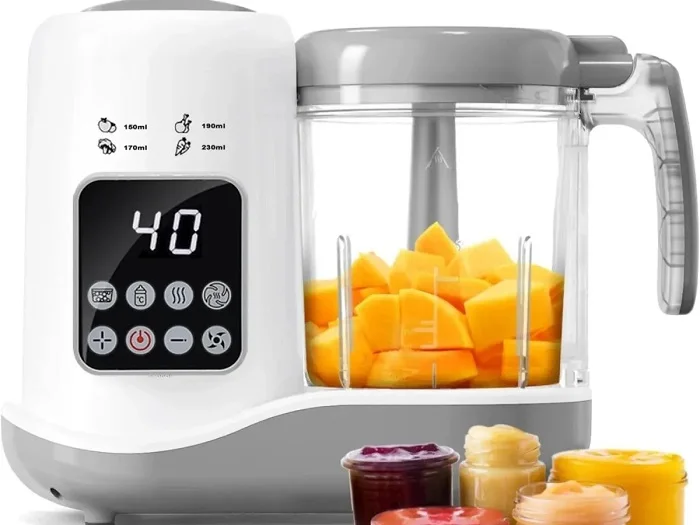
Essential Functions of a Food Processor
A food processor is renowned for its ability to perform a wide range of kitchen tasks efficiently. Here, we explore the essential functions that make it a must-have appliance.
Chopping and Dicing Ingredients
One of the most common uses of a food processor is chopping and dicing vegetables, fruits, nuts, and other ingredients. Whether you need finely chopped onions for a soup or diced vegetables for a stir-fry, the food processor ensures consistent and uniform cuts, saving you considerable time and effort compared to manual chopping.
Slicing and Shredding
Preparing ingredients in specific shapes and sizes can significantly impact the texture and presentation of a dish. A food processor equipped with slicing and shredding attachments allows you to achieve precise cuts swiftly. From thinly sliced cucumbers for a salad to shredded cheese for a casserole, the possibilities are endless.
Pureeing and Blending
Creating smooth purees and blends is effortless with a food processor. Whether you're making baby food, smoothies, or creamy sauces, the appliance’s high-powered motor ensures a silky texture without lumps. Additionally, it can puree cooked vegetables and fruits, enhancing the flavor and consistency of your dishes.
Kneading Dough
For those who enjoy baking, a food processor can also be a valuable tool for kneading dough. Its dough blade attachment can mix and knead bread, pizza, or pastry dough efficiently, ensuring the right consistency and elasticity, which are crucial for successful baking.
Emulsifying and Mixing
Creating emulsions like salad dressings, mayonnaise, or vinaigrettes becomes a breeze with a food processor. The appliance’s ability to blend oil and water-based ingredients seamlessly ensures a stable and homogeneous mixture. Moreover, it can mix batter for pancakes, cakes, or muffins, providing a smooth and lump-free consistency.
Grinding and Milling
Transforming whole ingredients into fine powders or pastes is another remarkable feature of food processors. Grinding spices, nuts, coffee beans, or even grains can be done swiftly, allowing you to incorporate fresh and potent flavors into your cooking.
Making Nut Butters and Spreads
A food processor excels in making homemade nut butters and spreads. By processing nuts until they release their oils, you can create creamy peanut butter, almond butter, or even more unique spreads like cashew or sunflower seed butter, free from preservatives and additives found in store-bought versions.

Advanced Culinary Applications
Beyond the basic functions, a food processor offers advanced applications that cater to more sophisticated culinary needs.
Preparing Doughs and Pastries
Achieving the perfect dough consistency is critical for baking success. With its dough blade, a food processor can handle various dough types, from pie crusts to puff pastry, ensuring a consistent and sturdy texture suitable for both sweet and savory applications.
Creating Pesto and Sauces
Making fresh pesto, chimichurri, or other sauces is straightforward with a food processor. The appliance’s ability to blend herbs, garlic, nuts, and oils into a smooth paste enhances the flavor profile of your dishes, offering a vibrant and fresh alternative to store-bought sauces.
Crafting Salsas and Dips
Homemade salsas and dips benefit greatly from the food processor’s precision and speed. Whether it’s a chunky tomato salsa or a smooth hummus, the appliance allows you to adjust the texture to your preference, ensuring a perfect accompaniment to your meals.
Preparing Batters and Fillings
For intricate dishes, the consistency of batters and fillings plays a pivotal role. A food processor can prepare all sorts of batters for cakes, pancakes, or fritters, and fillings for pies, pastries, or stuffed vegetables, maintaining uniformity and enhancing the overall quality of the dish.
Time-Saving Advantages
A significant advantage of using a food processor lies in the time it saves, making meal preparation more efficient.
Quick Ingredient Preparation
Gone are the days of spending hours chopping vegetables or grinding spices by hand. A food processor can handle these tasks in minutes, freeing up your time to focus on other aspects of cooking or to simply enjoy a more relaxed meal preparation experience.
Batch Processing
When cooking for large families or planning meals for the week, batch processing becomes invaluable. A food processor can process large quantities of ingredients at once, such as chopping a substantial amount of vegetables for multiple recipes, streamlining your cooking workflow.
Consistent Results
Achieving consistent results is easier with a food processor. Whether it’s uniform chopping, even slicing, or smooth pureeing, the appliance ensures that each batch of food is prepared to the same standard, enhancing the overall quality and presentation of your dishes.

Enhancing Nutritional Value
A food processor can contribute to healthier eating habits by enabling the preparation of fresh and wholesome meals.
Preserving Nutrients
By reducing the need for prolonged manual preparation, the food processor helps in preserving the natural nutrients in fruits and vegetables. Quick chopping, blending, or pureeing minimizes the exposure to air and heat, which can degrade nutrient content.
Encouraging Homemade Meals
With its ability to handle various preparation tasks, a food processor makes it easier to prepare homemade meals. Homemade soups, sauces, and spreads typically contain fewer preservatives and additives compared to their store-bought counterparts, promoting healthier eating habits.
Facilitating Special Diets
For those following specific dietary plans, a food processor can be a valuable tool. Whether you need to create gluten-free doughs, vegan spreads, or low-sodium sauces, the appliance allows for precise control over ingredients, ensuring compliance with dietary requirements.
Integrating a Food Processor into Your Kitchen Routine
Once you have a food processor, integrating it into your daily kitchen routine can enhance your cooking efficiency and creativity.
Meal Prepping and Planning
A food processor is invaluable for meal prepping. By preparing large quantities of chopped vegetables, shredded cheese, or blended sauces in advance, you can streamline your cooking process throughout the week, saving time and reducing stress.
Experimenting with New Recipes
With the versatility of a food processor, experimenting with new recipes becomes more accessible. From international cuisines that require specific cuts and blends to creative fusion dishes, the appliance encourages culinary exploration and innovation.
Enhancing Presentation
Consistent and precise slicing or dicing improves the visual appeal of your dishes. Whether it's creating uniform garnishes or assembling beautifully layered salads, a food processor helps achieve professional-looking presentations that enhance the dining experience.

Innovative Recipes to Try with a Food Processor
To fully appreciate a food processor’s capabilities, experimenting with innovative recipes can be both fun and rewarding.
Homemade Hummus
Creating hummus at home allows for customization of flavors and textures. Combine chickpeas, tahini, garlic, lemon juice, and olive oil in the food processor, pulsing until smooth and creamy. Adjust the seasoning to taste, and experiment with additions like roasted red peppers or sun-dried tomatoes for unique variations.
Vegetable Samosas
Planning to make vegetable samosas becomes easier with a food processor. Use the appliance to finely chop onions, carrots, and peas, creating a flavorful filling. The consistent chopping ensures even distribution of ingredients, enhancing the overall taste and texture of the samosas.
Quick Pie Crust
Making a pie crust from scratch is simplified with a food processor. Combine flour, butter, salt, and a splash of water, pulsing until the dough comes together effortlessly. Rolling out the dough becomes quicker and more uniform, providing a perfect base for your favorite pies.
Nut and Seed Bars
Creating homemade nut and seed bars allows for control over ingredients and sweetness levels. Blend a mix of nuts, seeds, dried fruits, and a binding agent like honey or maple syrup in the food processor, pressing the mixture into bars for a healthy and satisfying snack.
Salsa Verde
Preparing salsa verde at home ensures freshness and the right balance of flavors. Blend tomatillos, jalapeños, onions, garlic, and cilantro in the food processor until the desired consistency is achieved, adjusting the ingredients to suit your taste preferences.

Conclusion: Embracing the Food Processor’s Potential
In summary, understanding what is a food processor used for reveals its indispensable role in modern kitchens. From basic tasks like chopping and slicing to advanced culinary applications such as kneading dough and creating gourmet sauces, the food processor stands as a versatile and essential kitchen companion. Its ability to save time, enhance nutritional value, and foster culinary creativity makes it a valuable investment for anyone looking to elevate their cooking experience. Whether you’re preparing everyday meals or embarking on culinary adventures, a food processor empowers you to achieve consistent, high-quality results with ease. Embrace the potential of this remarkable appliance and discover how it can transform your cooking routine, bringing efficiency, versatility, and joy to your culinary endeavors.