




Results for life ring buoy
Life ring buoy is a critical safety device designed to rescue individuals in distress during water-related emergencies, offering flotation support and visibility in aquatic environments. Whether used for boating, swimming, or maritime operations, a life ring buoy serves as a reliable, lightweight, and easy-to-deploy tool that can save lives in seconds. With proper selection and maintenance, it becomes an indispensable part of personal and public water safety protocols.
When selecting a life ring buoy, consider the following key factors to ensure optimal performance and safety:
Many users overlook the importance of regular maintenance. Inspect your life ring buoy monthly: check for material degradation, rope integrity, and secure attachments. Store in a dry, shaded area to prevent UV damage and prolong lifespan.
For optimal readiness, keep the life ring buoy in a visible, accessible location—on boats, near pools, or at marinas. Avoid storing it in direct sunlight or near sharp objects.
In summary, a high-quality life ring buoy is not just a safety item—it’s a life-saving tool. By choosing a durable, certified product with proper rope length and visibility features, and by maintaining it regularly, you significantly increase the chances of a successful rescue during emergencies.
- Life Ring Buoy
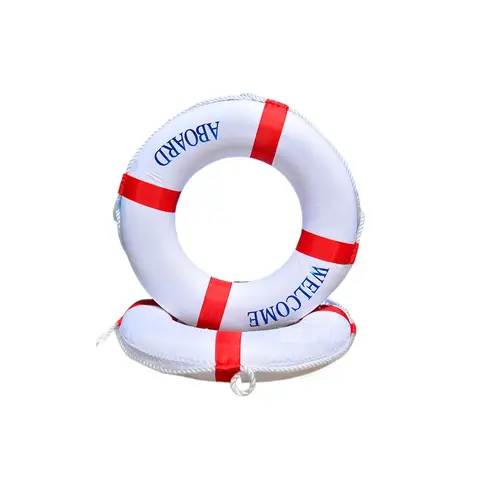
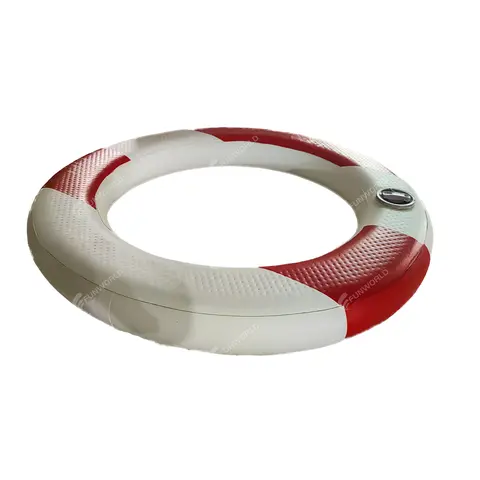
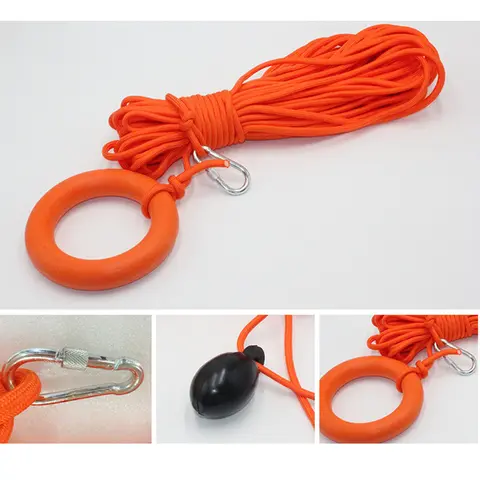
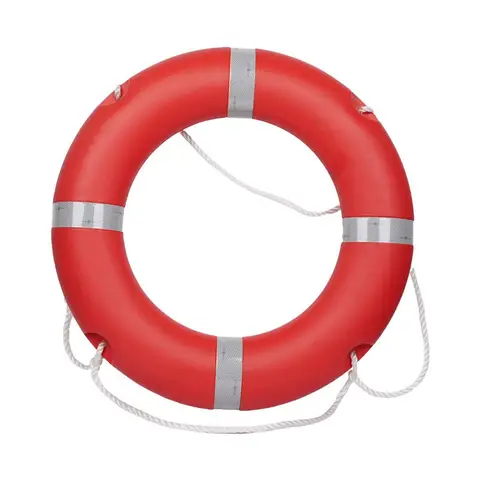
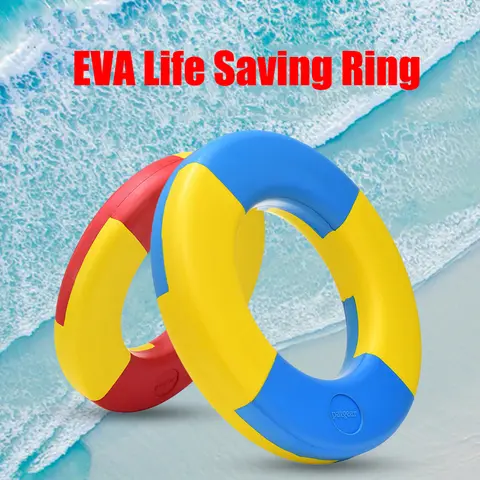
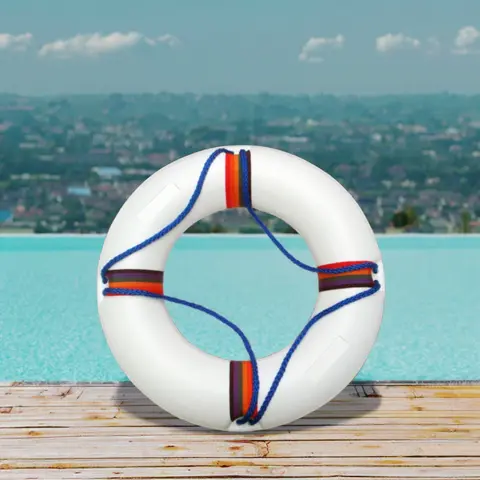
- A circular flotation device, typically made from buoyant materials such as foam or closed-cell PVC, designed to be thrown to a person in danger of drowning. It is equipped with a grab rope and often features reflective strips for enhanced visibility in low-light conditions.
- Flotation Capacity
- The ability of a life ring buoy to support a person’s weight on water, usually measured in kilograms or pounds. Most standard life rings support at least 15 kg (33 lbs), meeting international safety standards.
- Throw-Rescue Technique
- A trained method of deploying a life ring buoy by throwing it to a person in distress, aiming to land it within reach to allow them to grab it and stay afloat while help arrives.
When selecting a life ring buoy, consider the following key factors to ensure optimal performance and safety:
- Material Quality: Choose buoys made from durable, UV-resistant materials like closed-cell foam or PVC. Avoid products with visible cracks or signs of wear, as these compromise buoyancy.
- Size and Weight: Standard life rings are 45–60 cm in diameter. Larger sizes (60 cm) offer better visibility and flotation for heavier individuals, while lighter models (under 1.5 kg) are easier to throw.
- Rope and Attachment: The retrieval rope should be at least 15 meters long, made from synthetic fiber (e.g., nylon), and capable of withstanding high tensile loads. Ensure the rope is securely fastened and free of frays.
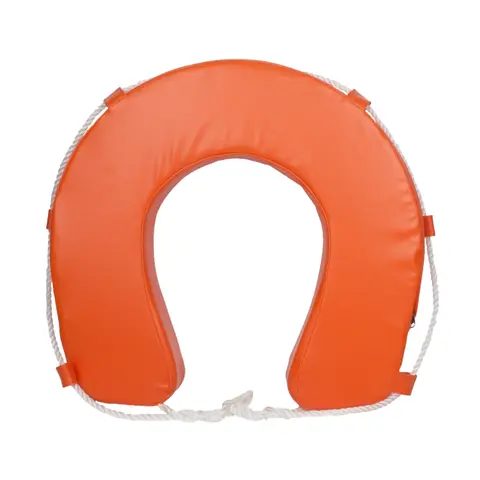
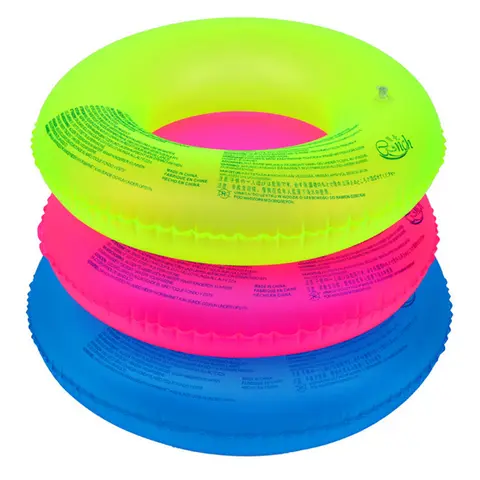
- Visibility Features: Look for buoys with bright colors (orange, yellow) and reflective strips. These significantly improve detection in low-light or rough water conditions.
- Compliance and Certification: Verify that the product meets international standards such as ISO 12402-3 or USCG (U.S. Coast Guard) approval for personal flotation devices.
Many users overlook the importance of regular maintenance. Inspect your life ring buoy monthly: check for material degradation, rope integrity, and secure attachments. Store in a dry, shaded area to prevent UV damage and prolong lifespan.
For optimal readiness, keep the life ring buoy in a visible, accessible location—on boats, near pools, or at marinas. Avoid storing it in direct sunlight or near sharp objects.
In summary, a high-quality life ring buoy is not just a safety item—it’s a life-saving tool. By choosing a durable, certified product with proper rope length and visibility features, and by maintaining it regularly, you significantly increase the chances of a successful rescue during emergencies.