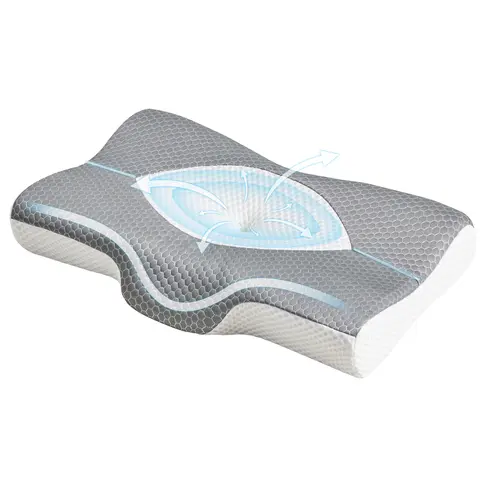
When it comes to a good night’s sleep, the right pillow can make all the difference. Whether you're shopping for a memory foam pillow, a down alternative, or a cervical pillow, the key is to find one that supports your sleeping position and body type. In this article, we’ll explore how to choose the best
pillow for your needs, how to evaluate pillow quality, and what users are saying about different pillow types.
What Pillow Should I Buy for Side Sleeping?
Answer: For side sleepers, the best pillow is one that is firm and has a high loft to support the neck and keep the spine aligned. Side sleeping is a common position, but it can cause neck and shoulder pain if the pillow doesn’t provide enough support. A pillow that is too flat can cause your head to tilt forward, straining your neck. On the other hand, a pillow that is too high can cause your neck to bend unnaturally.
- Loft
- The height or thickness of a pillow, which affects how much support it provides.
- Memory Foam
- A type of foam that conforms to the shape of your head and neck, providing pressure relief and support.
- Look for a pillow with a high loft (around 5-7 inches) to fill the gap between your head and shoulder.
- Choose a firm or medium-firm pillow to maintain proper neck alignment.
- Consider memory foam or cervical pillows, which are designed to support the natural curve of your neck.
| Pillow Type | Loft | Support Level | Best For |
| Memory Foam | High | High | Side Sleepers |
| Down Alternative | Moderate | Moderate | Back Sleepers |
| Cervical Pillow | High | High | Side and Stomach Sleepers |
How Can I Tell If a Pillow Is of Good Quality?
Answer: A high-quality pillow is durable, supportive, and made from breathable, hypoallergenic materials. Pillow quality can vary significantly depending on the materials used and the construction. A good
pillow should not only feel comfortable but also last for several years without losing its shape or support.
- Hypoallergenic
- Materials that are resistant to dust mites, mold, and other allergens, making them safe for people with allergies.
- Fill Material
- The substance inside the pillow that provides comfort and support, such as memory foam, down, or polyester.
- Check the fill material—memory foam and down alternatives are generally more durable and supportive than standard polyester fill.
- Look for hypoallergenic certifications, especially if you suffer from allergies or asthma.
- Test the pillow for firmness and responsiveness. A good pillow should return to its original shape after you remove your head.
In my experience, a pillow labeled as “
pillow 19” or “
pillow 9” often refers to a specific model or size. When evaluating these, I always check the fill material and loft to ensure it meets my support needs. Similarly, terms like “
pillow word” or “
pillow words” are sometimes used in product descriptions to describe the intended use or benefits of the pillow.
What Do Users Say About Different Pillow Types?
Answer: User reviews often highlight the comfort, support, and durability of different pillow types, with memory foam and cervical pillows receiving the most positive feedback. User reviews are a valuable resource when choosing a pillow. They provide real-world insights into how a pillow performs over time and whether it meets the user’s expectations.
- User Review
- A written or video feedback from a customer who has used a product, often shared on e-commerce platforms like AliExpress.
- Comfort Level
- A subjective measure of how pleasant or enjoyable a pillow feels to use, based on personal preference.
- Read multiple reviews to get a balanced view of the pillow’s performance.
- Look for reviews that mention specific features like support, breathability, and durability.
- Pay attention to how long the user has been using the pillow and whether they’ve experienced any issues over time.
In one case, a user who purchased a “
pillow pal” noted that it provided excellent neck support and was comfortable for both side and back sleeping. Another user who tried a “
pillow paw” mentioned that it was soft but lacked the firmness needed for proper spinal alignment. These real-life experiences help potential buyers make informed decisions.
Other Pillow-Related Terms You Might Encounter
When shopping for a pillow, you may come across terms like “
pillowd,” “
pillowz,” “
pillowche,” “
pilloww,” “
pillowise,” “
pillow a,” “pillow s,” “
pilloww,” and “
pillow 2.” These are often variations or misspellings of the word “pillow” and may refer to specific models, sizes, or product lines. For example, “
pillow 2” might indicate a second version of a particular pillow design, while “
pillow english” could refer to a product description written in English. Understanding these terms can help you navigate product listings more effectively and find the right pillow for your needs. Always read the product description carefully and check the specifications to ensure the pillow meets your requirements.