



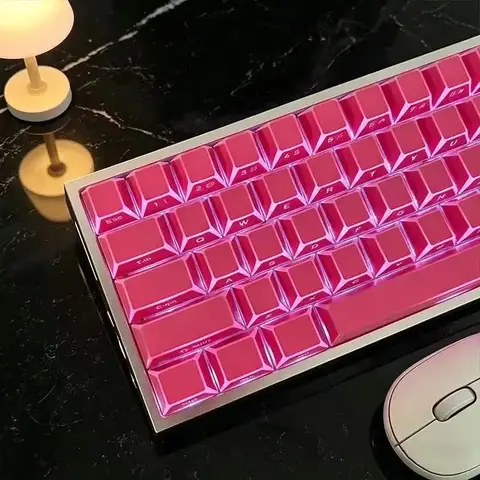

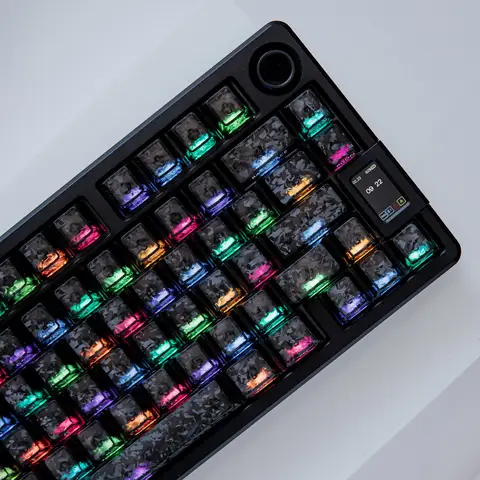
Results for keycap

Keycaps are essential components for mechanical keyboards, offering customizable aesthetics, tactile feedback, and long-term durability. Whether you're a gamer, typist, or enthusiast, choosing the right keycap set can significantly enhance your typing and gaming experience.
The search intent behind keycap typically revolves around users seeking high-quality, compatible, and customizable keycap replacements or upgrades for their mechanical keyboards. These users are often looking to personalize their setup, improve typing comfort, or repair worn-out keys. The demand spans from beginners exploring their first keyboard customization to advanced users building premium, RGB-lit mechanical setups with specific switch types and layouts.
Keycap
A small, molded plastic or metal piece that sits on top of a keyboard switch, bearing the character or symbol for a specific key. Keycaps are designed to be durable, tactile, and compatible with various switch types and keyboard layouts.
Switch Type Compatibility
Refers to the mechanical design of the keyboard switch (e.g., Cherry MX, Gateron, Kailh) that determines whether a keycap will fit properly. Most keycaps use a standard 1.5mm stem, but some require specific profiles like Cherry MX or Alps-style stems.
Keycap Profile
The shape and contour of a keycap, such as OEM, SA, DSA, or XDA. Profile affects typing comfort and visual appeal. For example, SA profile offers a tall, sculpted feel ideal for touch typists.

When selecting keycaps, consider the following factors:
  1. Check your keyboard’s switch type – Ensure the keycap stem matches your switch (e.g., Cherry MX, Gateron). Most modern keycaps use a standard 1.5mm stem, but some brands like Alps or older models may differ.
  2. Choose the right profile – OEM is the most common for standard keyboards; SA offers a premium, sculpted feel; DSA is flat and uniform, ideal for minimalist builds.
  3. Material matters – ABS plastic is lightweight and affordable but prone to shine over time. PBT plastic is more durable, resistant to wear, and maintains texture longer.
  4. Consider layout and keyset size – Full-size, TKL (tenkeyless), or 60% layouts require different keycap sets. Ensure the set includes all necessary keys, including function keys, arrow keys, and spacebar.
  5. Look for quality printing – Double-shot molded or laser-etched keycaps resist fading and wear better than sticker-based labels.

For users upgrading their setup, investing in a PBT keycap set with a custom profile can offer both aesthetic appeal and long-term performance. Avoid cheap ABS keycaps if you're a heavy typist or gamer—over time, they may develop shine and wear down quickly.
Whether you're replacing a single worn key or building a full custom keyboard, the right keycap set enhances both function and style. Always verify compatibility with your keyboard model before purchasing to avoid unnecessary returns or installation issues.

Keycap Set - AliExpress

Enhance Your Experience with High-Quality Keycaps: The Ultimate Guide to Customization and Performance


When it comes to personalizing your mechanical keyboard and improving typing or gaming performance, keycaps are far more than just decorative elements—they are essential components that impact comfort, durability, and overall user experience. Whether you're a casual typist, a competitive gamer, or a keyboard enthusiast building a custom setup, choosing the right keycaps can significantly elevate your interaction with your device. This guide explores the importance of keycaps, how to select the best ones based on material, profile, and compatibility, and offers practical advice for avoiding common pitfalls during your purchase and installation.

Understanding Keycap Search Intent: What Users Really Want


Users searching for keycap are typically looking for ways to upgrade their keyboard’s look, feel, or functionality. The search intent is primarily product-specific—they want to find high-quality, compatible keycaps that match their mechanical keyboard model and personal preferences. This includes considerations like:
- Material (PBT vs. ABS)
- Profile (Cherry, OEM, SA, etc.)
- Keycap set style (color, layout, legends)
- Compatibility with specific keyboard brands (e.g., Corsair, Logitech, Ducky, Keychron)
These users often seek practical solutions—not just aesthetic upgrades—but improvements in tactile feedback, longevity, and resistance to wear. They may also be looking for value-for-money options or unique designs that reflect their personality or gaming identity.
Keycap
A plastic or polymer component that sits on top of a mechanical switch, bearing the letter, number, or symbol that identifies a key. Keycaps are designed to be removable and replaceable, allowing for customization and maintenance.
Switch Profile
The shape and height of a keycap’s top surface, which affects how it feels under the fingers. Common profiles include Cherry, OEM, SA, and MX.
PBT vs. ABS
Two primary materials used in keycap manufacturing. PBT is more durable and resistant to shine, while ABS is smoother but tends to wear faster and develop a glossy surface over time.
Double-Shot Molding
A manufacturing technique where two layers of plastic are molded together, ensuring legends (letters/numbers) don’t wear off over time.

Choosing the Right Keycaps: A Step-by-Step Guide


To help you select the ideal keycaps for your keyboard, follow this practical process:
  1. Identify Your Keyboard Model – Check the manufacturer’s website or product manual to confirm the exact model and switch type (e.g., Cherry MX, Gateron, Kailh).
  2. Determine the Keycap Profile – Match the profile (e.g., OEM, SA, Cherry) to your keyboard’s layout and preferred typing feel.
  3. Choose Material and Finish – Opt for PBT for durability and resistance to shine; ABS for a smoother, more tactile feel (but with higher wear risk).
  4. Check for Double-Shot or Laser Engraving – Ensure legends won’t fade over time, especially for frequently used keys like spacebar or enter.
  5. Verify Compatibility with Your Layout – Confirm the keycap set includes all necessary keys (e.g., function row, number pad, media keys).

Keycap Comparison: Material, Profile, and Performance


Below is a detailed comparison of popular keycap types based on real-world performance and user feedback:
Feature PBT (Double-Shot) ABS (Standard) SA Profile (PBT) OEM Profile (PBT)
Durability High – Resists wear and shine Medium – Prone to glossing over time Very High – Thick, robust construction High – Balanced for daily use
Feel Textured, grippy, slightly rough Smooth, slippery, more tactile Deep, concave, premium feel Flat, standard, comfortable for typing
Legends Longevity Excellent – Double-shot ensures no fading Poor – Can wear off with frequent use Excellent – Double-shot or laser etched Good – Often double-shot in quality sets
Best For Gamers, long-term users, custom builds Beginners, budget builds, short-term use Enthusiasts, aesthetic-focused builds General typing, balanced performance

Real-World Scenario: Upgrading a Gaming Keyboard


Problem: You own a Keychron K8 mechanical keyboard and want to improve its look and feel for competitive gaming.
Solution Summary: Replace the standard ABS keycaps with a high-quality PBT double-shot set in a low-profile OEM design for better tactile feedback and long-term durability.
Step-by-Step Process:
  1. Confirm your keyboard uses Cherry MX switches and is compatible with standard 104-key layouts.
  2. Choose a PBT double-shot keycap set with an OEM profile—ideal for low-profile gaming and fast keypresses.
  3. Use a keycap puller to safely remove old keycaps without damaging switches.
  4. Install new keycaps by aligning the stem with the switch and pressing down firmly until it clicks.
  5. Test all keys to ensure proper fit and function, especially the spacebar and shift keys.

Pro Tips to Avoid Common Mistakes


- Don’t mix profiles—using different profiles (e.g., SA and OEM) on the same keyboard can cause uneven typing feel.
- Avoid cheap ABS keycaps if you type or game frequently—legends wear off quickly, especially on the spacebar and enter key.
- Always use a keycap puller—never pry with your nails or a screwdriver, as this can damage switches.
- Check for compatibility with your keyboard’s switch type (e.g., Cherry MX, Gateron, Kailh) and layout (e.g., 60%, 75%, full-size).
By investing in the right keycaps, you’re not just upgrading your keyboard’s appearance—you’re enhancing its performance, longevity, and personal connection. Whether you're building a custom setup or simply refreshing your daily driver, the right keycaps make all the difference.

Aliexpress