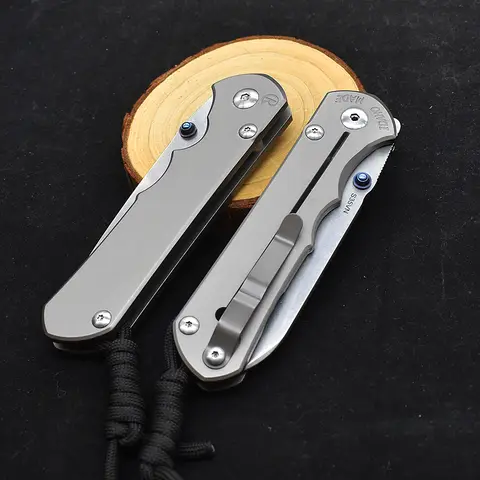
What Is a Hook Knife and When Should I Use One?
If you're asking what a hook knife is and when to use it, the answer is: a hook knife is a specialized cutting tool with a curved blade, commonly used for gutting fish, carving, and trimming materials like leather or rope. It is particularly popular among fishermen, woodworkers, and survivalists due to its unique design and functionality.
- Hook Knife
- A knife with a curved or hooked blade, designed for precise cutting and trimming tasks.
- Gut Hook Knife
- A variant of the hook knife specifically used for gutting fish, with a narrow and pointed blade for easy access to internal organs.
- Hook Bill Knife
- A type of hook knife with a more pronounced curve, often used for carving and shaping wood or leather.
As a weekend angler, I often find myself needing a reliable tool to clean my catch quickly and efficiently. A hook knife is perfect for this. Here’s how I use it:
- Hold the fish securely with one hand.
- Insert the hook knife just behind the gills and cut along the belly to the tail.
- Use the curved blade to lift and remove the entrails easily.
- Wipe the blade clean and store it safely for the next use.
This method is fast, clean, and minimizes damage to the fish, which is important if you're preparing it for cooking.
How Do I Choose the Best Hook Knife for My Needs?
If you're wondering how to choose the best hook knife for your needs, the answer is: look for a knife with a durable blade material, a comfortable grip, and a design that suits your specific use case. When I first started fishing, I bought a cheap hook knife that broke after just a few uses. Since then, I’ve learned to focus on key features like blade material, handle ergonomics, and blade shape. Here’s a comparison of three popular hook knife models I’ve used:
| Model | Blade Material | Blade Length | Handle Material | Best For |
| Model A | Stainless Steel | 4.5 inches | Grip-Tech Rubber | Fishing and Gutting |
| Model B | Carbon Steel | 5 inches | Wood | Carving and Woodworking |
| Model C | High-Carbon Stainless | 3.75 inches | Textured Plastic | General Use and Survival |
When choosing a hook knife, consider the following: - Blade Material: Stainless steel is corrosion-resistant, while carbon steel holds a sharper edge but requires more maintenance. - Blade Shape: A more pronounced curve is better for carving, while a subtle curve is ideal for gutting. - Handle Comfort: A non-slip, ergonomic handle is essential for control and safety.
What Are the Common Issues with Hook Knives and How Can I Avoid Them?
If you're asking what are the common issues with
hook knives and how to avoid them, the answer is: dull blades, poor grip, and improper storage are the most common issues, and they can be avoided with regular maintenance and proper handling. I once had a hook knife that became dull after a few uses because I didn’t sharpen it regularly. This made gutting fish more difficult and frustrating. Here’s how I now maintain my hook knife:
- After each use, clean the blade with warm water and mild soap.
- Use a whetstone or electric sharpener to maintain the edge every few weeks.
- Store the knife in a dry place, preferably in a sheath or blade guard to prevent damage.
- Inspect the handle regularly for cracks or wear, and replace if necessary.
Common issues and their solutions:
- Dull Blade
- Regular sharpening with a whetstone or electric sharpener can restore the edge.
- Slippery Handle
- Use a knife with a textured or rubberized grip, or apply a grip-enhancing product.
- Blade Corrosion
- Use a stainless steel blade and dry it thoroughly after each use.
What Do Users Say About Hook Knives and Their Performance?
If you're curious what users say about hook knives and their performance, the answer is: most users praise the efficiency and versatility of hook knives, especially for fishing and carving tasks. I’ve used several hook knives, including the
gutting hook knife,
hooked blade knife, and
hook carving knife, and I’ve found that the best ones are those that combine durability with a comfortable grip and a well-designed blade. Here are some user experiences and feedback I’ve gathered:
| User | Use Case | Feedback |
| John D. | Fishing | The gut hook knife I bought is perfect for cleaning fish quickly. It’s durable and easy to handle. |
| Lisa M. | Wood Carving | I use a hook bill knife for carving small wooden figures. It gives me the precision I need. |
| Mark T. | Survival Kit | The hook utility knife I carry is compact and versatile. It’s great for cutting rope and preparing food in the wild. |
Users also mention that hook knives like the
blade hook knives and
cutter hook knife are excellent for specific tasks, but they emphasize the importance of choosing the right model for your needs.
Other Hook Knife Variants and Uses You Might Be Interested In
If you're interested in other hook knife variants and uses, the answer is: there are several specialized types of hook knives, such as the
hooknife,
hooked knife, hook knife blade, and
billhook knife, each designed for specific tasks. For example, the
hooknife is often used in woodworking for shaping and trimming, while the
hooked knife is ideal for survival and outdoor activities. The hook knife blade is a general term that refers to the curved blade design, and the
billhook knife is a traditional tool used in rural areas for cutting branches and trimming hedges. If you're looking for a hook knife for a specific purpose, consider the following: -
Gutting Hook Knife: Best for cleaning fish. -
Hook Carving Knife: Ideal for detailed carving work. -
Hook Utility Knife: Great for general use and survival. -
Hooked Blade Knife: Versatile for cutting and trimming. Each of these variants has its own unique features and benefits, so it's important to choose one that fits your specific needs and preferences.