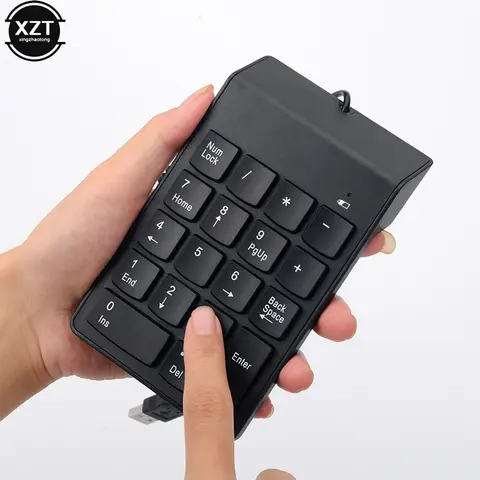
Keyboard arrangement
Arrangement refers to the assembly sequence of the keyboard, generally speaking, the number of keys. Keyboard arrangement is one of the main factors affecting the purchase, which is related to personal desktop space and usage habits. The most mainstream configurations include four types: 100%, 80%, 65%, and 60%.
108/104 keys (100%): Traditional layout, complete functions, each function has a corresponding independent button, and there is an independent numeric keypad, which is convenient for small partners who often type numbers, such as banking, finance, etc.
87/86/84 keys (80%): Except for cutting off the keys in the independent digital area, there is not much difference from the 104-key mechanical keyboard. These arrangements are currently the most mainstream arrangements. For those who don't use the number keys very much, this is the best choice. Not only is it full-featured, but the keyboard is significantly smaller and easier to carry.
68 keys (65%): Known as the king of special arrangements, it has more arrow keys than the common 61 keys, and saves more space than the 87 keys. It also saves the small keyboard and F area, but it is easier Get started. It is in the middle of the special arrangement of mechanical keyboards, which is the layout that most people like.
61 keys (60%): There are no direction keys, F area, and function area. Most of the function keys need to be realized by combination keys, and there are only 61 keys. If you only need code words and don't need a numeric keypad, you can consider this arrangement.
47 keys (40%): Only the core input area and a few function keys are retained. There are only 47 keys, which are rarely used, but all the functions of a full-size keyboard can be realized through a large number of key combinations.
Keycap
The keycap, as the name suggests, is the part that is in direct contact with the finger, and the factors that affect the keycap: height, material, shape.
Keycap material: The selection of keycaps for mechanical keyboards mainly depends on the material. The mainstream ones on the market are: ABS keycaps, PBT keycaps, and POM keycaps.
ABS keycaps: In the past, Nokia mobile phones were made of ABS engineering plastics, with low production costs and mature technology, which can be made into any shape. But after a long time, the keycaps will be oiled, and the keyboards of Internet cafes are basically made of this material.
PBT keycaps: no oiling, great matte texture, and very wear-resistant, of course, the price is relatively expensive;
POM keycaps: Due to obvious shortcomings, there are few products, so I will not introduce them in detail here;
Keycap height: According to ergonomic design, it is divided into OEM, cheery original, SA/DSA/XDA, etc. Everyday users buy OEM and live in the original factory, and the height of OEM keycaps is slightly higher than that of cheery.