



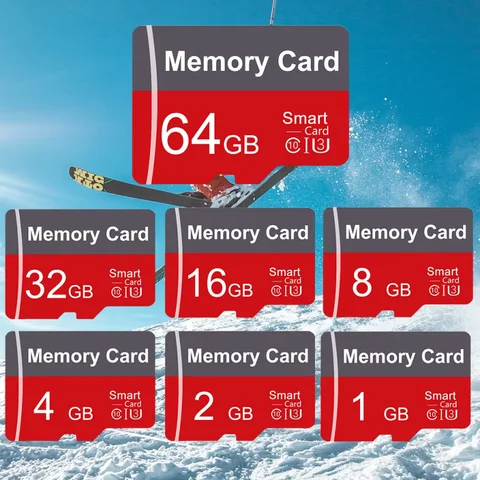








Results for microsd
MicroSD cards are essential storage solutions for smartphones, cameras, drones, tablets, and other portable devices, offering high-capacity, fast-speed data transfer, and reliable performance across a wide range of applications. Whether you're capturing 4K videos, backing up photos, or expanding your phone’s storage, choosing the right MicroSD card ensures seamless operation and long-term durability. With models available in capacities from 32GB to 512GB, supporting UHS-I, U3, V30, and A1 performance classes, modern MicroSD cards deliver the speed and reliability needed for today’s high-demand digital environments.
Understanding the search intent behind microsd reveals users are seeking versatile, high-performance memory cards compatible with a broad range of devices. The most common use cases include mobile phones, action cameras, drones (UAVs), security cameras, and portable gaming devices. Users prioritize factors such as read/write speeds, storage capacity, compatibility, and brand reliability. For instance, a video recording device requires a card with a Video Speed Class (V30) and UHS-I (U3) support to handle continuous 4K video without buffering or data loss.
When selecting a MicroSD card, consider the following steps:
High-performance models like the Lexar 633x series deliver read speeds up to 180MB/s and write speeds up to 130MB/s, ensuring fast file transfers and smooth operation. These cards are engineered for demanding environments, including extreme temperatures and high vibration, making them ideal for outdoor and industrial use. Whether for personal or professional use, investing in a certified, high-speed MicroSD card prevents data loss, improves device responsiveness, and extends the lifespan of your digital content.
Understanding the search intent behind microsd reveals users are seeking versatile, high-performance memory cards compatible with a broad range of devices. The most common use cases include mobile phones, action cameras, drones (UAVs), security cameras, and portable gaming devices. Users prioritize factors such as read/write speeds, storage capacity, compatibility, and brand reliability. For instance, a video recording device requires a card with a Video Speed Class (V30) and UHS-I (U3) support to handle continuous 4K video without buffering or data loss.
- MicroSDXC
- A high-capacity version of MicroSD cards supporting up to 2TB, ideal for devices that require large storage space and high-speed data transfer, such as professional cameras and drones.
- UHS-I (Ultra High Speed I)
- A bus interface standard that enables faster data transfer speeds, typically up to 104MB/s, crucial for high-resolution video and rapid file transfers.
- V30 (Video Speed Class 30)
- Guarantees a minimum sustained write speed of 30MB/s, making it suitable for recording 4K video without dropouts.
- A1 (Application Performance Class 1)
- Indicates optimized performance for running apps directly from the card, beneficial for Android smartphones and tablets.
When selecting a MicroSD card, consider the following steps:
- Check device compatibility – Verify your device supports MicroSDXC and UHS-I/U3 standards.
- Choose the right capacity – 64GB–128GB for daily use; 256GB–512GB for 4K video or extensive file storage.
- Confirm speed class – Use V30 or U3 for video recording; A1 for app performance.
- Opt for trusted brands – Lexar, Kodak, and SanDisk offer certified reliability, with CE certification and proven durability in real-world conditions.
- Look for included accessories – Some packs include a card reader, useful for transferring files to laptops or desktops.
High-performance models like the Lexar 633x series deliver read speeds up to 180MB/s and write speeds up to 130MB/s, ensuring fast file transfers and smooth operation. These cards are engineered for demanding environments, including extreme temperatures and high vibration, making them ideal for outdoor and industrial use. Whether for personal or professional use, investing in a certified, high-speed MicroSD card prevents data loss, improves device responsiveness, and extends the lifespan of your digital content.