












Results for motion sensing
Motion sensing technology enables intelligent automation in smart homes, security systems, and energy-efficient lighting by detecting movement through advanced sensors such as capacitive, microwave radar, and infrared detection. These solutions offer reliable, responsive, and customizable performance across diverse applications—from gesture recognition to presence detection and automatic lighting control.
The search intent behind motion sensing reflects a growing demand for smart, hands-free, and energy-saving devices that enhance convenience, safety, and efficiency. Users are seeking products that can automatically activate based on human presence or motion, especially in home automation, security monitoring, and ambient lighting. The most effective motion sensing solutions combine accurate detection, low power consumption, and seamless integration with existing smart ecosystems.
For users looking to implement motion sensing in real-world scenarios, here are key considerations:
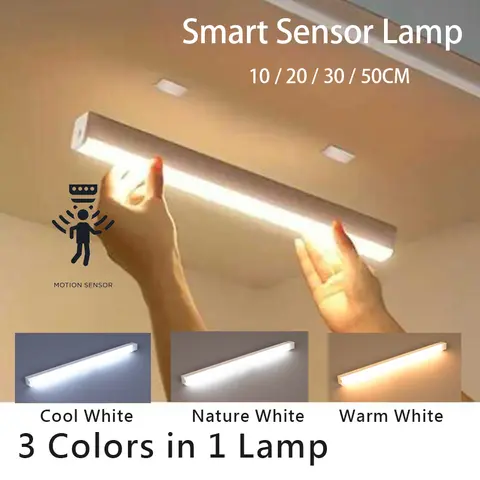
Real-world benefits include reduced energy waste, enhanced home security, and improved accessibility. For example, a motion-sensing night light automatically turns on when you enter a dark room, eliminating the need to fumble for switches. Similarly, a Zigbee-enabled presence sensor can trigger lights or alarms when movement is detected after hours.
When selecting motion sensing products, prioritize those with CE certification, proven reliability, and clear specifications. Avoid low-quality sensors with inconsistent performance or poor build materials. The FDC2214 module offers precise gesture recognition and liquid level measurement, while the SONOFF SNZB-06P delivers robust, long-range detection with seamless smart home integration—both ideal for DIY projects and commercial applications.
The search intent behind motion sensing reflects a growing demand for smart, hands-free, and energy-saving devices that enhance convenience, safety, and efficiency. Users are seeking products that can automatically activate based on human presence or motion, especially in home automation, security monitoring, and ambient lighting. The most effective motion sensing solutions combine accurate detection, low power consumption, and seamless integration with existing smart ecosystems.
- Motion Sensing
- Technology that detects physical movement within a defined area using sensors such as capacitive, infrared, or microwave radar. It triggers automated responses like turning lights on/off, activating alarms, or initiating device interactions.
- Capacitive Sensor
- A type of sensor that detects changes in capacitance caused by proximity or touch, often used in gesture recognition and non-contact control applications.
- 5.8GHz Microwave Radar
- A high-frequency radar technology that emits microwave signals to detect motion through walls, fabrics, or obstacles, offering high accuracy and minimal false triggers.
For users looking to implement motion sensing in real-world scenarios, here are key considerations:
- Choose the right sensor type based on use case: Use capacitive sensors (e.g., FDC2214 Module) for touchless gesture control or liquid level detection; microwave radar sensors (e.g., SONOFF SNZB-06P) for reliable presence detection in smart homes with minimal false alarms.
- Ensure compatibility with your smart home platform: The SONOFF SNZB-06P supports Zigbee 3.0 and integrates with Alexa, Google Home, SmartThings, and IFTTT—ideal for advanced automation workflows.
- Check power and installation requirements: Wireless LED night lights with motion sensing use rechargeable batteries (3.7V, 3V) and are plug-and-play, while module-based sensors require proper circuit integration.
- Verify environmental suitability: Microwave radar sensors operate reliably in temperatures from -10°C to 60°C and humidity up to 90% RH—perfect for kitchens, hallways, and outdoor use.
- Optimize detection range and sensitivity: Adjust motion sensitivity settings (if available) to avoid false triggers from pets or minor movements.
Real-world benefits include reduced energy waste, enhanced home security, and improved accessibility. For example, a motion-sensing night light automatically turns on when you enter a dark room, eliminating the need to fumble for switches. Similarly, a Zigbee-enabled presence sensor can trigger lights or alarms when movement is detected after hours.
When selecting motion sensing products, prioritize those with CE certification, proven reliability, and clear specifications. Avoid low-quality sensors with inconsistent performance or poor build materials. The FDC2214 module offers precise gesture recognition and liquid level measurement, while the SONOFF SNZB-06P delivers robust, long-range detection with seamless smart home integration—both ideal for DIY projects and commercial applications.