






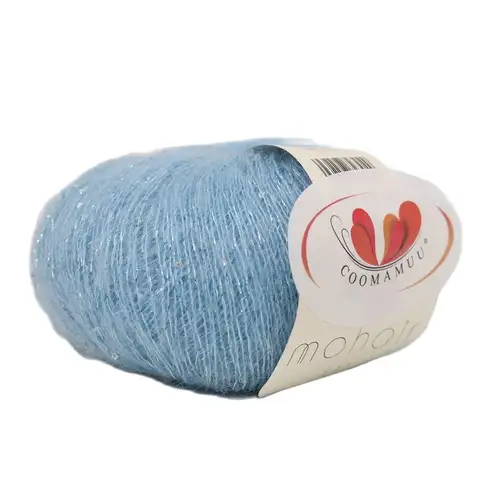


Results for spandex thread
Spandex thread is a high-performance, elastic textile thread ideal for stretch garments, dancewear, and DIY crafting projects requiring durability and flexibility. Whether you're sewing performance clothing, crafting intricate embroidery, or reinforcing elastic fabrics, spandex thread delivers superior stretch, recovery, and resistance to wear.
Searchers using the term spandex thread are typically seeking materials that combine elasticity with strength for functional and decorative applications. The intent often revolves around creating garments that maintain shape, enhancing fabric performance, or executing detailed handcrafts like cross-stitch and embroidery with a dynamic finish. These users value both technical specifications and real-world usability—making detailed product data and practical insights essential for informed decisions.
When selecting spandex thread, consider the following factors:
Recommended use cases include:
- Dance and performance costumes requiring full stretch and recovery
- DIY handcrafts such as embroidery, crochet, and beadwork
- Reinforcing chair covers, sportswear, and leggings with durable, flexible thread
For best results, pair spandex thread with compatible fabrics (e.g., 96% polyester, 4% spandex) and use a needle size 80/12 or 90/14 for optimal stitch quality. Avoid over-tightening seams to preserve elasticity. Always pre-wash fabric and thread to test shrinkage and colorfastness.
Searchers using the term spandex thread are typically seeking materials that combine elasticity with strength for functional and decorative applications. The intent often revolves around creating garments that maintain shape, enhancing fabric performance, or executing detailed handcrafts like cross-stitch and embroidery with a dynamic finish. These users value both technical specifications and real-world usability—making detailed product data and practical insights essential for informed decisions.
- Spandex Thread
- A synthetic fiber known for its exceptional elasticity and recovery, commonly blended with polyester or nylon to enhance durability and stretch. It is widely used in apparel and craft applications where flexibility and resilience are critical.
- Yarn Count (e.g., 26s/26)
- A measure of yarn fineness and strength; lower counts indicate thicker, stronger threads, suitable for heavy-duty applications like dancewear or industrial embroidery.
- Stretch Fabric (e.g., 96% Polyester, 4% Spandex)
- A knitted or woven fabric incorporating spandex for multidirectional elasticity, ideal for form-fitting garments and upholstery with dynamic movement.
When selecting spandex thread, consider the following factors:
- Material Composition: Opt for threads with at least 4% spandex for reliable elasticity. Pure polyester threads may lack stretch, while blends ensure durability and shape retention.
- Length and Packaging: Choose skeins of 8 meters or more for crafting projects. Bulk packaging (e.g., 1000+ meters) is ideal for commercial or high-volume use.
- Color and Finish: Metallic or reflective threads (e.g., 100 colors) offer visual impact for artistic projects like cross-stitch or fashion accessories. Ensure colorfastness under wash and sunlight.
- Application-Specific Testing: For stretch garments, test thread tension and stitching technique to prevent breakage. Use a walking foot or stretch stitch on sewing machines.
- Environmental Safety: Confirm the product is free from high-concern chemicals, especially for children’s wear or skin-contact items.
Recommended use cases include:
- Dance and performance costumes requiring full stretch and recovery
- DIY handcrafts such as embroidery, crochet, and beadwork
- Reinforcing chair covers, sportswear, and leggings with durable, flexible thread
For best results, pair spandex thread with compatible fabrics (e.g., 96% polyester, 4% spandex) and use a needle size 80/12 or 90/14 for optimal stitch quality. Avoid over-tightening seams to preserve elasticity. Always pre-wash fabric and thread to test shrinkage and colorfastness.